
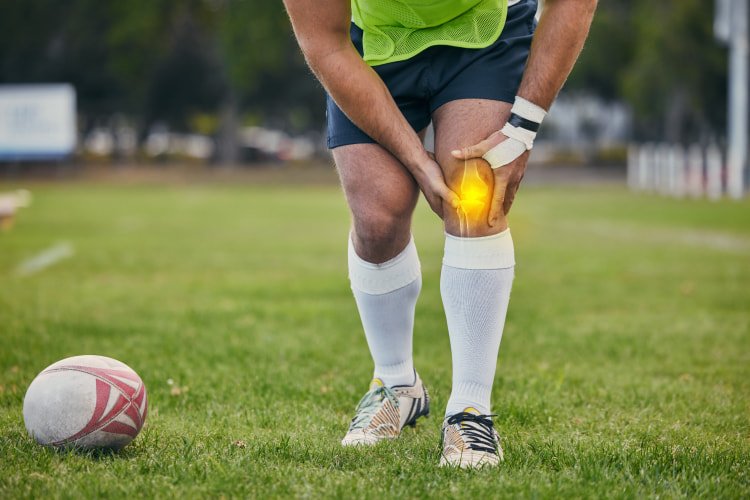
Athletes may face injuries such as scrapes, cuts, and blisters during training or competitions. Managing a wound involves a series of steps from initial cleaning to ongoing monitoring, especially when dealing with variables like sweat, athletic tape, and exposure to different playing surfaces. Here are several helpful wound care tips for athletes:
Keep Wound Clean
Proper cleaning is a fundamental step in wound management. Dirt and debris from the field or court may contaminate an open wound. You can gently wash the area with mild soap and water. After cleaning the wound, apply a sterile bandage, and it is wise to change the dressing regularly. Sweat and movement during athletic activity may require more frequent bandage changes.
Maintaining a clean environment for the wound is a daily task. You may need to protect the wound during showers. A waterproof bandage might be necessary, or you can cover the area with a plastic bag secured with tape. When you re-dress the wound, always wash your hands first, and then you can apply any prescribed ointment before putting on a new bandage.
Athletes face unique challenges with wound hygiene. Abrasions from turf can happen, and these wounds typically contain foreign particles. Your skin may also react to athletic tape adhesives, which complicates bandage application. Protecting a wound from friction during a match is also a factor. Observe the area daily for any signs of irritation from tape or dressings.
Take Medications as Directed
Follow the instructions provided for any prescribed or over-the-counter medications. You may be advised to take certain medications with food, while others might have specific timing requirements throughout the day. Your medication schedule is set for a reason, so you need to follow it closely. Completing the full course of any prescribed antibiotic is a key part of the wound care process.
Monitor for Infection
Observing the wound for changes is a continuous part of care. A wound that is healing normally will show gradual improvement. You will notice the wound bed slowly filling in, and the edges will pull together. Redness around the wound should decrease over time, not spread.
Athletes must be watchful because their environments can introduce bacteria, which increases their risk of infection. You need to look for specific signs of infection. Increased pain, swelling, or redness are indicators. Other signs include:
- Warmth around the wound area
- Yellow or greenish discharge
- A foul odor from the wound
Follow Treatment Plan
Adhering to a personalized treatment plan is fundamental for managing a wound. A healthcare provider develops a plan considering the type, size, and location of the patient’s condition. This plan provides detailed instructions tailored to your specific situation. You need to follow these directions exactly, for they are designed for your specific injury.
The treatment plan typically outlines dressing change frequency. It will also specify which cleansing solutions or ointments to use. Your plan might also include instructions on activity modification, which is particularly relevant for an athlete eager to return to play. You should avoid certain movements or training intensities that put stress on the injured area.
Visit a Wound Care Specialist
For wounds that are complex or not healing as expected, a specialist offers advanced care. You may get a referral from your primary care provider. A wound care specialist has expertise in managing difficult wounds. Contact a wound care specialist if you have concerns about your injury.
Leave a Reply