
Dental decay, if left untreated, can lead to cavities, which are small holes in the teeth that cause discomfort. A dental filling is a common procedure used to restore a tooth’s function and shape, and it helps prevent further deterioration of the tooth’s structure. Here is more information on what dental fillings are, the materials used, the procedure, and the benefits of treatment:
What Are Fillings?
Fillings are materials used by dentists to fill cavities in teeth that have resulted from tooth decay. The primary purpose of a filling is to restore the tooth’s integrity, preventing bacteria from entering and causing further damage. This treatment is a standard method for repairing minor tooth fractures or other forms of damage.
The process involves removing the decayed portion of the tooth, and then the dentist cleans the affected area. After cleaning, the dental professional fills the cavity with a filling material. This restores the tooth’s structure, allowing it to function properly again.
What Are the Different Types?
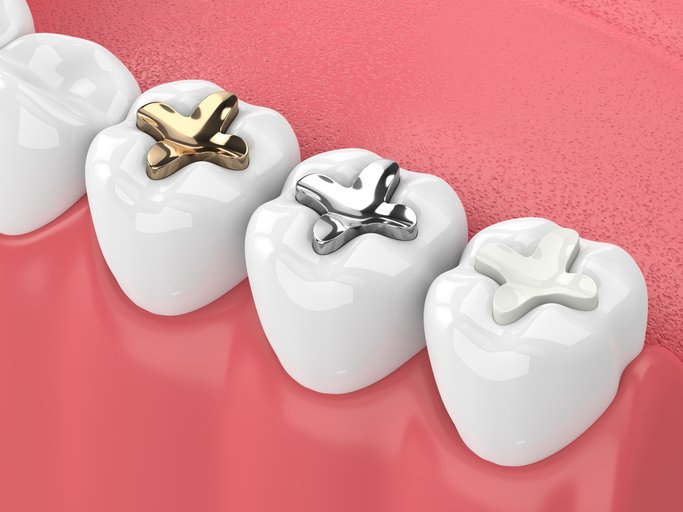
Several dental filling materials are available. Selection depends on the cavity location and the patient’s budget. Each material type has distinct characteristics, so patients can discuss options with their dentist. Common materials include gold, silver amalgam, porcelain, and composite resins.
- Gold and Silver Amalgam: Gold and silver amalgam fillings are durable and last for many years. Both are noticeable due to their metallic color.
- Porcelain: Porcelain fillings are tooth-colored and stain-resistant, offering a natural appearance.
- Composite: Composite resins are also matched to the color of the tooth, and they bond directly to the tooth structure for support
What Does the Process Involve?
The process of placing a filling is straightforward, and it is typically completed in a single appointment. A dentist begins by numbing the area around the affected tooth with a local anesthetic. This makes sure the patient does not feel pain during the procedure, enhancing patient comfort.
Once the area is numb, the dentist will use a drill to remove the decayed part of the tooth. The space is then cleaned to remove any bacteria or debris, and the filling material is placed. For composite fillings, the material is applied in layers and hardened with a special light.
The dentist will shape the filling material to fit the tooth’s natural bite, and they will polish it to finish the restoration. The patient’s bite is checked to make certain the teeth align correctly. Fillings are a routine and effective way to treat cavities and improve oral health.
What Are the Benefits?
Receiving a dental filling provides several benefits for oral health. One benefit is the prevention of tooth decay, which helps keep cavities from growing larger. A filling also restores the tooth’s strength, so it can withstand the pressure of chewing.
Fillings can alleviate the tooth sensitivity and pain associated with cavities. By sealing off the damaged area, the filling protects the tooth’s sensitive inner layers from exposure to hot, cold, or sweet foods. This improves comfort during eating and drinking, and it enhances overall oral function.
Consult a Dentist Today
Dental fillings are a standard and effective treatment for cavities caused by tooth decay. They restore the tooth’s structure, prevent further damage, and relieve discomfort. If you are experiencing tooth pain or suspect a cavity, seek professional dental advice. A dentist can evaluate your oral health and determine the appropriate course of action.
Leave a Reply