
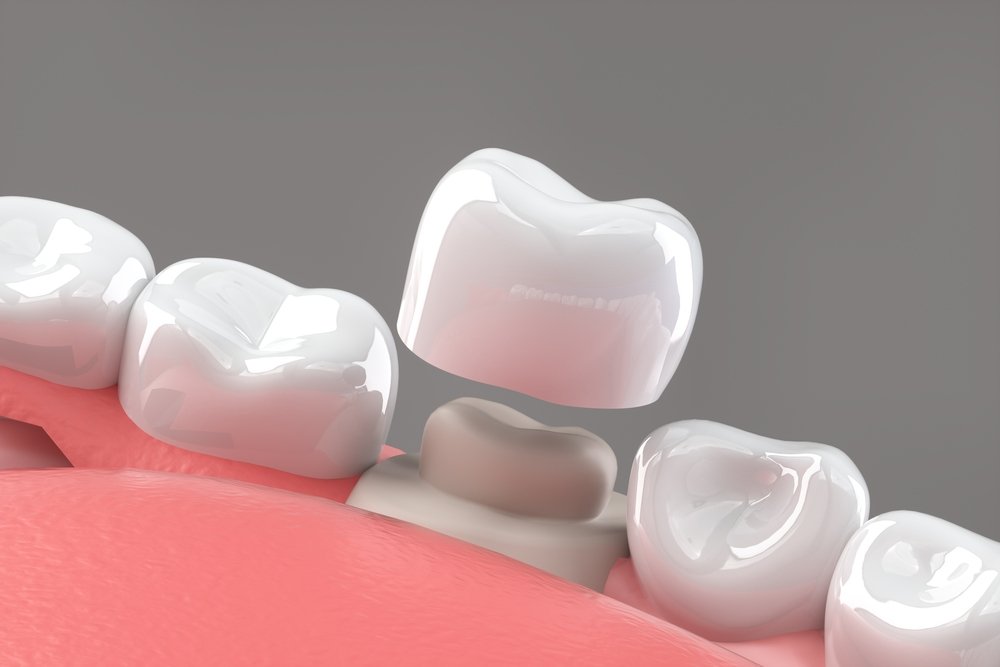
Dental crowns restore tooth structure when decay, fractures, or a root canal reduce its natural strength. Extensive decay may leave too little enamel for a stable filling, and a crown can offer better support. A tooth that has undergone a root canal often needs a crown because the remaining structure may be weaker after the internal tissue is removed. Cracked teeth with thin surfaces also benefit from a crown because it surrounds the enamel and increases stability during chewing.
What a Crown Helps Restore
Dental crowns add stability by enclosing the visible portion of the tooth with a cap. This coverage spreads biting pressure across the teeth’s surface and protects the underlying structure from further weakening. The restored height and contour help create a balanced bite that matches the natural shape of the mouth. A well-shaped crown also maintains spacing between teeth and supports proper alignment of the dental arch.
Crowns also help with structural and functional concerns unrelated to decay. Teeth with deep discoloration or a misshapen surface may benefit from a crown to rebuild form and reinforce the tooth. A crown can act as the supporting end of a dental bridge and create the anchors needed for a replacement tooth. In the case of a dental implant, the crown becomes the visible part that attaches to the abutment.
How the Crown Procedure Works
During the first visit, the provider examines the tooth and decides whether a crown is the best option. Imaging may confirm the amount of decay, the presence of cracks, or the condition of any earlier restorations. This evaluation helps to plan the type of crown and the amount of preparation the tooth will need.
Once preparation begins, the provider shapes the enamel so the crown can fit without changing the bite. After shaping, impressions or digital scans record the exact size and position of the tooth. These measurements guide the creation of the custom crown and help the restoration fit with the surrounding teeth.
A temporary crown protects the prepared tooth during fabrication of the final crown. The temporary crown maintains spacing and reduces sensitivity during this stage. Once the permanent crown arrives, the provider removes the temporary one and checks the final fit. Minor adjustments refine the shape and improve how the crown meets the bite. When the fit is confirmed, the dentist places and bonds the permanent crown to the tooth to restore full function.
Recovery and Maintenance
Recovery after receiving a crown is usually brief because the tooth remains functional once the permanent restoration is placed. Mild sensitivity may occur as the tooth adjusts, especially to temperature changes, but this sensation often decreases as the crown settles. Chewing typically feels normal soon after placement, and most people can return to regular eating habits once the provider confirms that the bite is balanced.
To maintain a crown, continue regular oral hygeine practices and dental visits. Daily brushing and flossing help prevent decay and cavities from forming on the underlying tooth. Avoiding habits such as chewing ice or very hard foods helps reduce the chance of damaging the crown. Regular dental checkups allow the provider to monitor the restoration, evaluate the fit, and make adjustments if bite changes occur over time. With consistent care, a crown can remain stable and functional for many years.
Learn More About Dental Crowns
Dental crowns restore stability and structure when a tooth can no longer support a filling or when treatment, such as a root canal, reduces internal strength. They also complete bridges and implants while rebuilding natural form. To learn more about dental crowns and if they fit your needs, consult your dental provider.
Leave a Reply