
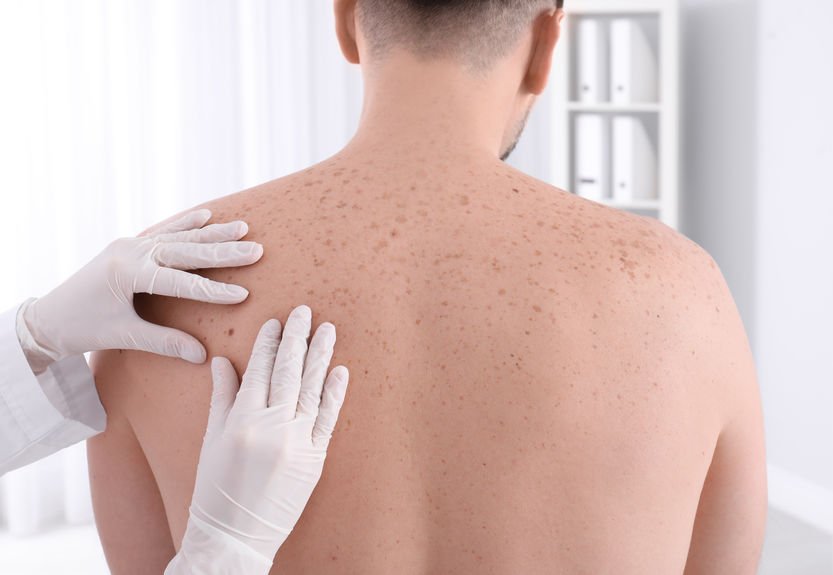
Skin cancer is one of the most common cancers diagnosed in the United States. One in five Americans will get skin cancer during their lifetime. Many link skin cancer with sun exposure or fair skin. However, anyone can develop it. Skin cancer is found in all skin tones and backgrounds. There are a variety of kinds, such as melanoma, and it’s helpful to be aware of the symptoms. Knowing about risk factors, signs, and treatments is helpful to prevent or treat this.
Skin Cancer and Melanoma
Dermatologists divide skin cancers into three main types. Basal cell carcinoma and squamous cell carcinoma are the first two. They appear most often on sun-exposed body parts. Areas such as the face, hands, neck, scalp, and head are common sites. When found early, these cancers usually respond well to treatment. The cure rate for early detection is high.
The third type is melanoma, sometimes called malignant melanoma. It is the rarest of the three main types, but also the most aggressive. Melanoma does not only target sun-exposed skin. It can develop anywhere on the body, including places the sun rarely touches. In people with darker skin, melanoma can appear under fingernails, on the soles, or on the palms. This broad range makes ongoing skin checks important. Melanoma grows and spreads faster than other skin cancers. Delayed treatment worsens effects, but early detection makes treatment manageable. Melanoma varies in appearance. Some forms look like a new spot, while others arise in existing moles. Irregular borders, uneven colors, or changes in size call for a skin check. Professionals use the ABCDE method to monitor features: Asymmetry, Border, Color, Diameter, and Evolving. Skin cancer detected early on is less significant than when it’s ignored.
Skin Cancer Treatment
Treatment for skin cancer depends on the cancer’s location, size, and type. Dermatologists assess each situation and may propose different methods. Mohs surgery is a method for sensitive or visible locations. It removes cancer cells while sparing as much healthy tissue as possible. This technique allows for precise analysis during surgery to ensure clearance.
Excision surgery is another option. A doctor cuts out the cancer and a small section of healthy skin around it. This method is straightforward and effective for many lesions. Some skin cancers respond to photodynamic therapy. In this approach, a light-sensitive drug is applied, then activated with a specific light source. The reaction destroys cancer cells.
Cryotherapy is a freezing technique. Liquid nitrogen applied to the cancerous area damages the cells, causing them to fall off. If surgery or localized treatments aren’t suitable, radiation or chemotherapy may be necessary. Physicians may use these for larger or more advanced cancers, or when other options are limited. Treatment outcomes depend on many factors. Location, size, type, and timing of diagnosis all contribute. Prompt evaluation by a dermatologist can help improve results.
Skin Cancer Prevention
Prevention reduces skin cancer risk. Wear sunscreen with an appropriate SPF every day, and use it consistently when outdoors. Sunscreen protects against ultraviolet radiation, which is one of the main risk factors for skin cancer. Cover the skin with clothing, hats, and sunglasses, especially during peak sunlight hours. Simple routines make a difference, but consistency matters over time. Seek out shade when possible, and limit time in direct sun, particularly between 10 AM and 4 PM.
Monitor your skin regularly because early changes are easier to address. New spots, moles, or changes in existing marks should prompt a professional evaluation, and ongoing monitoring improves early detection. Do not ignore signs such as sores that do not heal. An annual skin exam with a dermatologist is advisable, and routine checks offer the best chance of successful treatment. People with many moles or a family history of skin cancer are at higher risk, and they need to be especially proactive about protection and monitoring.
Get Checked
Melanoma is the most serious type of skin cancer. It can develop on any skin, in any location. Regular self-exams, professional checks, and consistent sun protection support detection and prevention. If you observe changes to your skin or notice concerning spots, consult a dermatologist. An annual full-body skin exam is a recommended step. Early diagnosis and appropriate care offer the best outcomes against skin cancer. Get checked now to keep your skin healthy.
Leave a Reply