
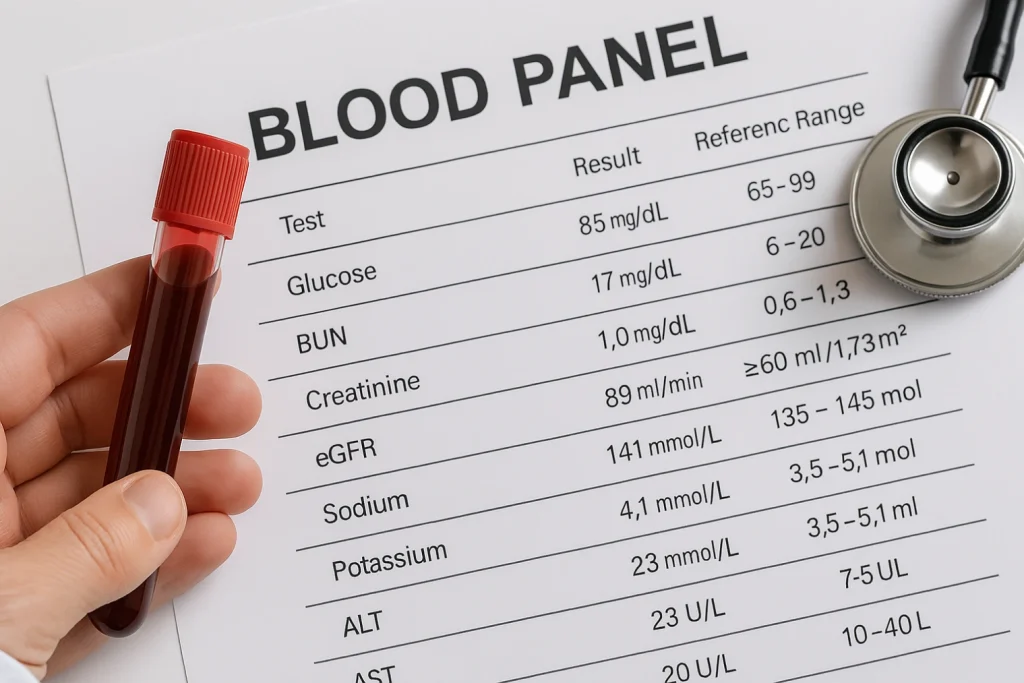
Blood tests provide detailed information about various components, including blood cells, cholesterol, glucose, and organ function. These results help healthcare providers identify potential health issues and monitor ongoing conditions. Understanding standard tests, such as a complete blood count or metabolic panel, can help clarify what each measurement reveals about your overall health. Here is what you need to know about interpreting your blood work results:
Explaining Common Blood Tests
Blood tests are used to evaluate various aspects of a person’s health, providing information that can help guide medical care and lifestyle decisions. These tests can monitor ongoing conditions, support early detection of potential issues, and track changes over time. Healthcare providers use the results to develop personalized recommendations and support overall wellness.
- Complete Blood Count (CBC): Assesses overall health, nutrition status, signs of infection, and conditions like anemia.
- Metabolic Panels (BMP & CMP): Measure blood sugar, protein, electrolytes, and can indicate diabetes or kidney disease.
- Lipid Profiles: Evaluate cholesterol and triglyceride levels to monitor heart health.
- Prostate-Specific Antigen (PSA): Screens for prostate health concerns and monitors ongoing conditions.
- hCG Testing: Confirms and tracks pregnancy using blood or urine samples.
- Glucose Testing: Supports diabetes management and identifies prediabetes or hypoglycemia.
Describing Blood Test Procedures
Understanding your blood work involves more than reading the numbers; each test reflects different aspects of your health. Lab results provide insight into blood components, organ function, and potential markers for conditions such as anemia, diabetes, or cholesterol imbalances. Comparing your results to reference ranges helps identify areas that may require follow-up, lifestyle adjustments, or further testing.
Discussing your results with a healthcare professional is key, as they can explain the meaning of the values in the context of your overall health. Patterns over time are often more informative than single readings, allowing for a clearer picture of trends and changes. Regular review of blood work supports informed decisions about diet, exercise, and preventive care.
Explaining Process Variations
Blood tests can vary in their conduct and the preparation required. Some tests may require fasting for a specific period, while others require multiple samples to be collected over time. Specific procedures employ specialized methods, such as using a small needle or collecting samples from a fingertip or earlobe, depending on the type of analysis. Following your healthcare provider’s instructions helps to support more accurate results and reduces the need for repeat testing.
Understanding your blood work begins with knowing what each test measures and why it matters for your health. Some values may fluctuate naturally due to factors such as time of day, hydration, or recent physical activity. Comparing results to reference ranges can help highlight areas that may require further evaluation, but your healthcare provider can provide context and explain what these numbers mean. Reviewing trends over time often provides more insight than a single test, helping guide lifestyle or medical decisions effectively.
Reviewing Your Blood Work Results
Understanding your blood work provides insight into how your body is functioning, and it highlights areas that may need attention. These results offer a snapshot of key health indicators, which can vary over time. Discussing your findings with a healthcare provider helps clarify what the numbers mean and guides decisions about next steps. Schedule an appointment to review your blood work and develop a personalized plan that supports your overall health.
Leave a Reply