
COVID-19 is a respiratory illness that poses a potentially severe risk to the elderly and immunocompromised individuals. Understanding this disease is the first step toward effectively managing personal and public health. Here is more information about the virus, its symptoms, and the role of vaccination in prevention:
What Is COVID-19?
COVID-19 is an infectious disease caused by a specific type of coronavirus. It primarily affects the respiratory system, and it causes a range of symptoms. The severity of the illness differs among individuals, with some people experiencing mild symptoms while others may develop severe complications.
The disease spreads from person to person through respiratory droplets produced when an infected individual coughs, sneezes, or talks. These droplets can be inhaled by others or land on surfaces, so maintaining distance and hygiene are preventive measures. The virus has several variants, each with different characteristics regarding transmission and severity.
What Causes It?
The virus responsible for this disease is called severe acute respiratory syndrome coronavirus 2 (SARS-CoV-2). SARS-CoV-2 enters the body through the mucous membranes in the nose, mouth, and eyes, so it is transmitted through close contact. Once inside the body, the virus replicates. This process can lead to the symptoms associated with the disease as the body’s immune system responds to the infection.
What Are the Symptoms?
Individuals with COVID-19 experience a wide range of symptoms, and these can appear days after exposure to the virus. Common symptoms include fever, cough, and fatigue, but other indicators may also occur. Some people also experience a loss of taste or smell, which is a distinctive symptom of the infection.
Other reported symptoms include sore throat, headache, body aches, and congestion or a runny nose. Some individuals may develop gastrointestinal symptoms such as nausea, vomiting, or diarrhea, while others experience shortness of breath or difficulty breathing. Symptoms range from mild to severe, and some people are asymptomatic yet still transmit the virus.
What Does Vaccination Involve?
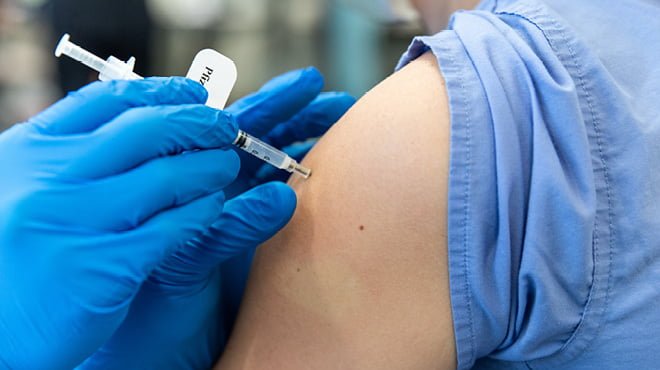
COVID-19 vaccination involves administering a vaccine to stimulate an immune response against the SARS-CoV-2 virus. The process typically includes one or two primary doses, with booster shots recommended to maintain protection over time. Vaccines are administered by a healthcare professional, usually by injection into the upper arm. After vaccination, it takes time for the body to build immunity, so following public health guidance is still advisable.
What Are the Benefits?
Vaccination offers significant benefits by reducing the risk of contracting COVID-19. The primary advantage is preventing severe illness, hospitalization, and death, even if a breakthrough infection occurs. This protection helps to lessen the strain on healthcare systems during outbreaks.
Vaccinated individuals are less likely to transmit the virus to others, which contributes to community protection, particularly for those who cannot be vaccinated. This collective immunity helps to slow the spread of the virus and reduces the likelihood of new variants emerging. Vaccination is a key tool in managing the public health impact of the disease.
Know What To Expect
Understanding COVID-19, its symptoms, and the role of vaccination helps individuals navigate personal health choices. For specific medical advice or questions, consult with a healthcare professional. You can learn more about vaccination options and how to relieve symptoms if you contract the virus with professional guidance.
Leave a Reply