
PRP therapy is a treatment option used to support joint pain relief by harnessing the body’s natural healing processes. Derived from a patient’s own blood, PRP is concentrated with platelets that may help promote tissue repair and reduce inflammation in affected joints. Here’s more information on what to know about PRP for joint pain relief:
How Does PRP Work?
The human body has a remarkable capacity for self-repair; PRP therapy harnesses and amplifies this natural function. The process begins when a provider draws a small amount of the patient’s blood, similar to a routine lab test. This blood is then placed in a centrifuge, a device that spins at high speeds. The spinning action separates the blood into its various components based on density. The result of centrifugation is plasma with a platelet concentration significantly higher than that typically found in blood.
Which Joint Conditions Are Treated?
Medical professionals use PRP treatment to address a variety of musculoskeletal problems that cause chronic pain. Here are some of the conditions that often respond positively to this type of therapy:
- Osteoarthritis in the knee, hip, or shoulder.
- Chronic tendonitis, such as tennis elbow or golfer’s elbow.
- Rotator cuff tears in the shoulder.
- Achilles tendonitis and plantar fasciitis.
- Ligament sprains, including ACL or MCL injuries in the knee.
- Meniscus tears that do not require immediate surgery.
Consulting with a qualified medical provider is the best way to determine if your specific injury is suitable for PRP treatment.
What Should You Expect?
Understanding the procedural steps for PRP therapy helps patients feel more comfortable and prepared for their appointment. Here’s what you can expect during a PRP treatment:
- The medical staff draws a specific amount of blood from a vein in your arm.
- The blood is processed in a centrifuge for a few minutes to separate the plasma.
- The provider cleans the skin over the affected joint and may apply a local anesthetic to numb the area.
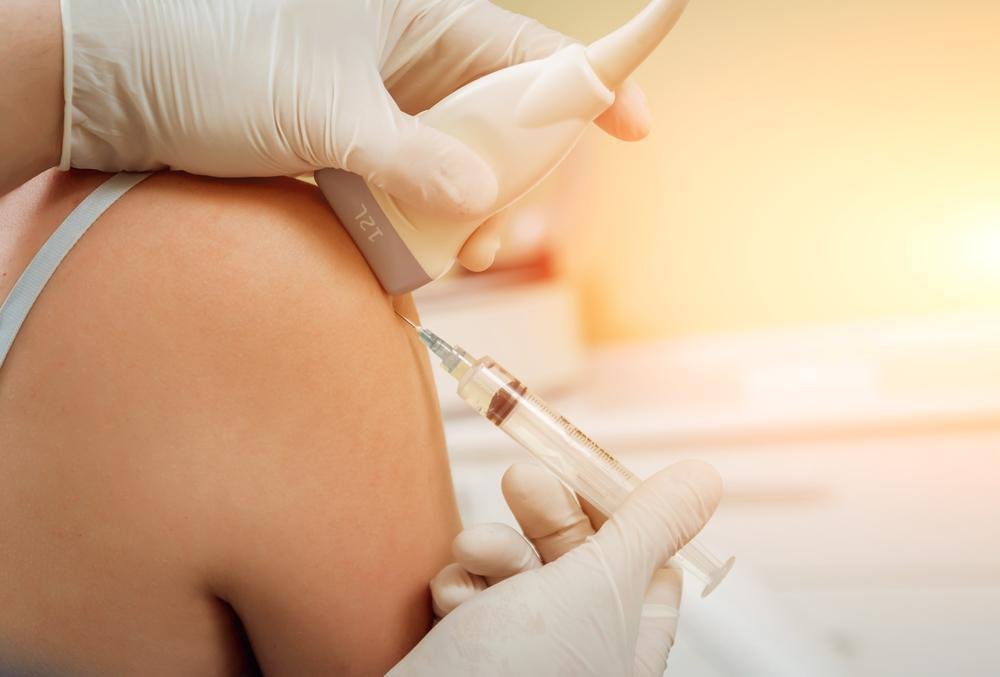
- Using ultrasound guidance for precision, the provider injects the PRP directly into the joint capsule or injured tissue.
- Patients remain in the office for a short observation period before returning home.
Recovery timelines vary, but most individuals return to their normal daily routines within a few days of the procedure.
Is PRP Right for You?
When evaluating any medical treatment, it is helpful to weigh the potential benefits against the limitations. One key benefit of PRP is that it uses the patient’s own biological material. This significantly reduces the risk of allergic reactions or the body rejecting the substance. PRP is also a minimally invasive option that carries fewer risks than surgery, such as infection or prolonged recovery times.
Patients must also contemplate the limitations of this therapy to manage their expectations realistically. Pain relief is rarely immediate because the tissue requires time to repair and regenerate. Some patients experience a temporary increase in pain or swelling at the injection site for a few days after the procedure. The results are not guaranteed and may vary depending on the severity of the condition and the patient’s overall health. Multiple injections are sometimes necessary to achieve the desired level of pain relief.
Book Your PRP Consultation Today
PRP therapy is a significant shift in how medical professionals approach joint pain and tissue injury. Concentrating the body’s own healing factors offers a promising alternative for those seeking to avoid surgery or long-term medication use. If you struggle with chronic joint pain or tendon injuries, contact a trusted provider near you to book your consultation and learn if PRP is the right choice for you.
Leave a Reply