
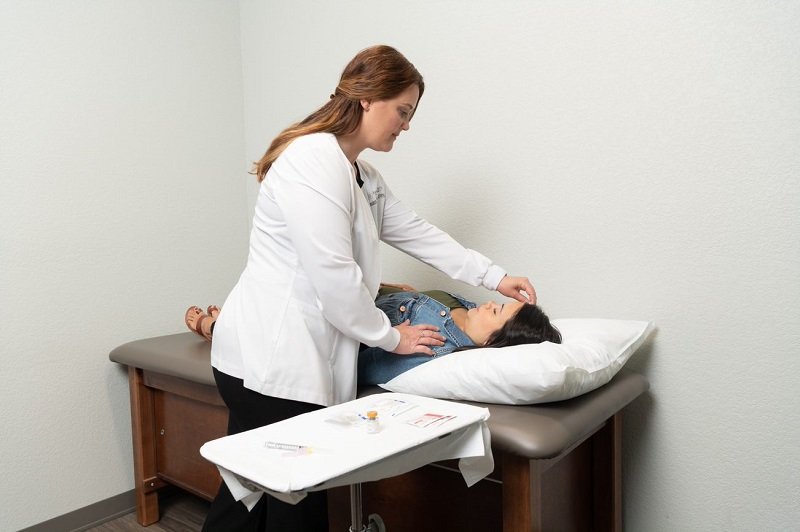
Seeing a Headache Specialist for the first time can help you understand the cause of recurring or severe headaches and get a treatment plan that works. Your appointment may include a detailed review of your symptoms and questions about your lifestyle and medical history.. Here is what to expect when visiting a headache specialist for the first time:
Detailed Headache History
A fundamental part of your first visit involves a detailed discussion about your headache history. The headache specialist will ask numerous questions to understand the nature of your headaches. Providing thorough answers will help them form an accurate diagnosis. You should be ready to describe when your headaches started, how often they occur, and how long they last. Your headache doctor will also want to know about any other symptoms you experience, like nausea or sensitivity to light.
Thorough Specialist Examination
After discussing your history, the headache specialist will conduct a physical and neurological examination. They generally check the following:
- Health Signs: Your blood pressure, heart rate, and temperature are checked to get a baseline of your overall health.
- Head and Neck Examination: The specialist will examine your head, neck, and shoulders for any muscle tension, tenderness, or restricted movement.
- Neurological Functions: This involves testing your reflexes, coordination, balance, and muscle strength.
- Cranial Nerves: Your vision, eye movements, facial sensations, and hearing will be evaluated.
- Gait and Balance: You may be asked to walk or perform simple movements to check your coordination and balance.
Based on the findings from your history and the physical exam, the doctor will begin to formulate a diagnosis and discuss the next steps with you.
Common Headache-related Conditions
A headache specialist evaluates your symptoms to diagnose a specific type of headache disorder. There are different types, each with its own set of characteristics and treatment approaches. A primary goal of your first visit is to determine which condition is causing your pain, enabling a targeted and effective treatment plan.
One of the most common conditions a migraine specialist looks for is migraine. They will also assess for tension headaches, which often feel like a constant ache or pressure around the head. Another condition is a cluster headache, which involves severe, debilitating pain on one side of the head and often occurs in cyclical patterns.
Possible Treatment Options
Once a diagnosis is made, your headache doctor will discuss potential treatment options with you. Your specialist may recommend possible treatments during your visit, including:
- Lifestyle Modifications: Changes to your diet, sleep schedule, and exercise routine can be a helpful first step in managing headaches.
- Over-the-Counter Medications: For milder headaches, your doctor will suggest specific non-prescription pain relievers.
- Prescription Medications: Depending on your condition, preventive medications to reduce headache frequency may be prescribed.
- Interventional Procedures: For certain conditions, treatments like Botox injections or nerve blocks may be recommended to provide relief.
- IV Infusions: Some clinics offer intravenous medications to treat severe or persistent migraines that do not respond to other treatments.
Your doctor will explain the benefits and potential side effects of each option, giving you the opportunity to ask questions and share your preferences.
Talk to a Headache Specialist
Managing migraines requires a personalized, comprehensive approach that includes careful evaluation and a range of effective treatment options. From medications to preventive therapies and advanced interventions, there are solutions to alleviate symptoms and improve your well-being. If you are struggling with migraines, contact a headache specialist near you today to schedule your consultation.
Leave a Reply