
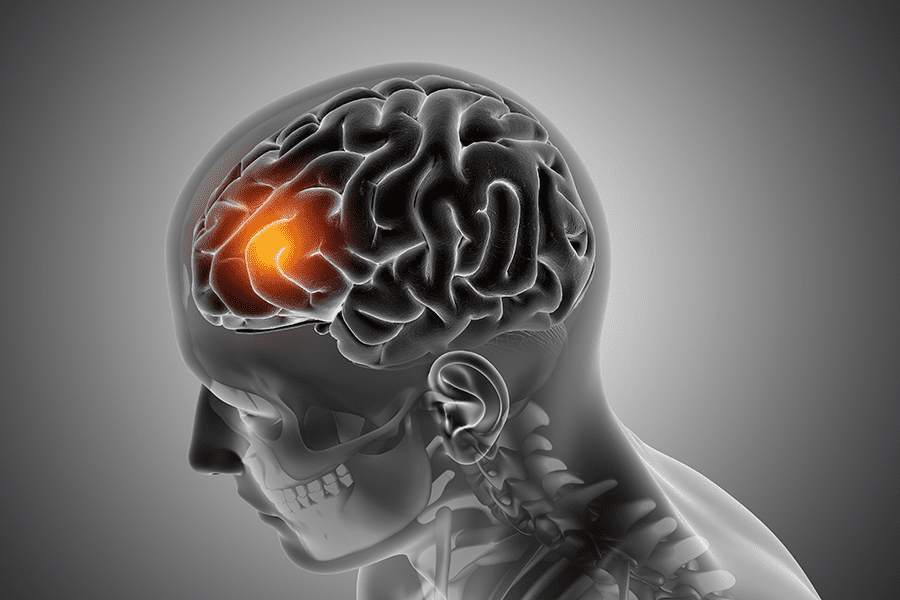
Glioblastoma is a complex and aggressive type of brain tumor. It originates from cells in the brain known as astrocytes, which support and protect neurons. Understanding this condition begins with recognizing its characteristics and the methods used for its diagnosis and treatment through brain surgery.
What Is Glioblastoma?
Glioblastoma is a fast-growing brain tumor. It is classified as a grade IV astrocytoma, which is an advanced grade for this type of tumor. These tumors are composed of a diverse mix of cell types, making them challenging to treat.
The development of glioblastoma is not fully understood, and in most cases, a specific cause cannot be identified. These tumors can appear as a new grade IV tumor without evidence of a lower-grade precursor. They can develop from a lower-grade astrocytoma over time. Diagnosis typically involves imaging studies, such as MRI and CT scans, followed by a biopsy to confirm the presence of cancerous cells.
What Are the Symptoms?
The symptoms of glioblastoma vary widely and depend on the tumor’s size, location, and rate of growth. Because the skull is a fixed space, a growing tumor increases pressure inside the head, leading to general symptoms. These may include persistent headaches, nausea, and vomiting.
Specific symptoms often relate to the area of the brain where the tumor is located. A tumor in the frontal lobe might cause changes in mood, behavior, or cognitive function. If a tumor affects the temporal lobe, a person might experience issues with speech or memory. When a tumor develops in the occipital lobe, it may cause visual disturbances. Seizures are another common symptom. The onset of these symptoms can be gradual or sudden.
How Does Brain Surgery Treat It?
Brain surgery is a primary treatment for glioblastoma. The main objective of the surgical procedure is to remove as much of the tumor as possible without damaging healthy brain tissue. Removing a significant portion of the tumor can help alleviate symptoms caused by pressure on the brain, such as headaches and neurological deficits. It can also improve the effectiveness of subsequent treatments like chemotherapy.
Neurosurgeons use advanced techniques to achieve a maximal safe resection. Before the operation, an MRI can map out areas of the brain responsible for speech, movement, and other functions. During surgery, MRI or CT scans may provide real-time images of the brain, allowing the surgeon to see how much of the tumor has been removed.
Following surgery, the standard of care typically involves a combination of radiation therapy and chemotherapy. Radiation uses high-energy beams to target and destroy any remaining cancer cells. Chemotherapy is administered to attack cancer cells throughout the body. The extent of tumor removal during surgery can directly influence the prognosis and the efficacy of these follow-up therapies.
Speak Further With a Neurosurgeon
Navigating a diagnosis of glioblastoma involves a multidisciplinary team of medical professionals. Neurology specialists play a central part in the initial diagnosis and treatment planning. A consultation with a neurosurgeon provides an opportunity to discuss the specifics of your diagnosis, including the tumor’s location and surgical options. They can explain the goals of surgery, the techniques that might be used, and what to expect during recovery.
Leave a Reply