
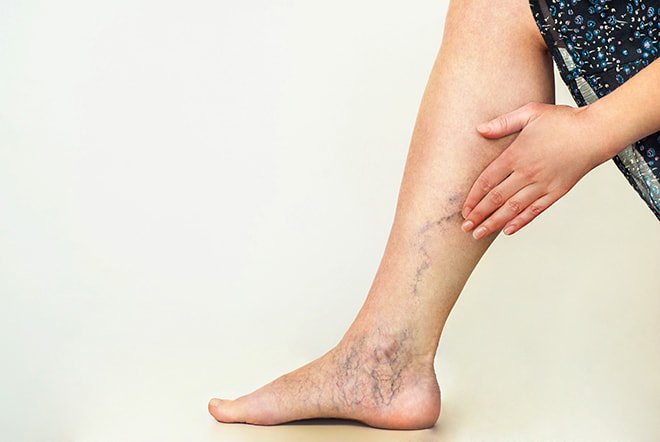
Varicose veins appear as twisted, enlarged blood vessels that often bulge near the surface of the skin. They frequently develop in the legs and feet because standing and walking increase pressure in the veins of the lower body, and though they are primarily a cosmetic concern, these veins can indicate underlying circulatory issues. Here is some information about varicose veins and what to do about them:
How Do Varicose Veins Form?
Arteries deliver oxygen-rich blood from your heart to the rest of your tissues. Veins then return that blood to your heart so it flows to the lungs for re-oxygenation. To return blood to your heart, the veins in your legs must work against gravity. Muscle contractions in your lower legs act as pumps, and elastic vein walls help blood return upward. Tiny valves in your veins open as blood flows toward your heart, then close to stop blood from flowing backward. If these valves become weak or damaged, blood flows in the wrong direction and pools in the vein. This causes the veins to stretch, twist, and protrude. Factors such as aging, pregnancy, and obesity increase the risk of valve dysfunction.
When Should Varicose Veins Be Treated?
Individuals often seek help when symptoms begin to interfere with daily activities or comfort levels. Some symptoms are mild, but others require professional attention. If self-care steps like exercise and elevation fail to provide relief, professional treatment is the next step. Symptoms of varicose veins that may require treatment include:
- Aching or heavy feeling in your legs
- Burning or throbbing
- Muscle cramping
- Swelling in your lower legs
- Worsening pain after sitting or standing for a long time
- Itching around one or more of your veins
- Bleeding from a varicose vein
What Happens if I Don’t Treat Them?
The condition is usually progressive, and it can worsen without intervention. Pooling blood increases pressure within the veins, further weakening the vein walls. Over time, painful ulcers might develop on the skin near varicose veins, particularly near the ankles. Chronic inflammation leads to skin changes, such as hardening or distinct discoloration known as hyperpigmentation. Venous ulcers are difficult to heal, and they increase the risk of infection.
What Are My Treatment Options?
A range of therapies is available to manage or eliminate problematic veins. Lifestyle changes are often the first recommendation, and they can include exercising, losing weight, or elevating your legs. Compression stockings squeeze your legs consistently, helping veins and leg muscles move blood more efficiently. If these measures do not provide relief, your doctor might suggest additional procedures.
Sclerotherapy involves injecting a solution into the vein that scars and closes those vessels. Endovenous ablation uses radiofrequency or laser energy to heat and seal the affected vein. Ambulatory phlebectomy is the removal of smaller varicose veins through a series of tiny skin punctures. Many of these treatments are performed on an outpatient basis, and they allow for a quick return to normal activities.
Visit a Vein Center Today
Caring for your vascular health prevents long-term complications and improves your quality of life. Addressing varicose veins early can prevent swelling, skin discoloration, and the development of painful ulcers, and it often shortens recovery after treatment. Treatment also helps maintain leg strength and mobility, making everyday activities like walking or standing more comfortable. Book a consultation with a vascular specialist today to learn more about your treatment options.
Leave a Reply