
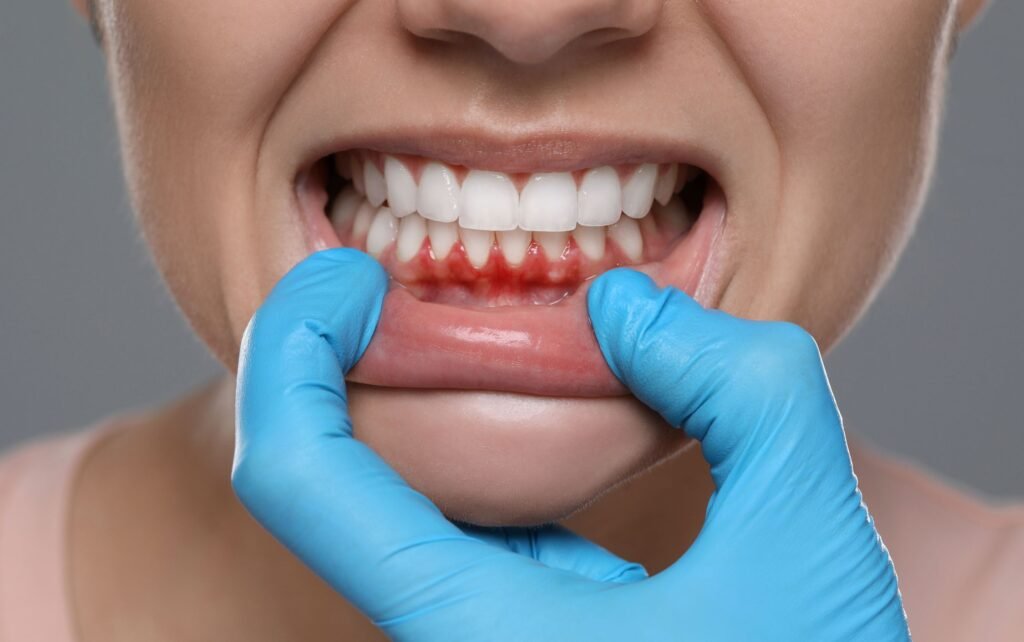
Gum treatments are procedures that target the health of your gums and the supporting structures of your teeth. These treatments range from non-surgical deep cleanings to more involved surgical options, and a dental professional can explain what is needed. Here is more information on how gum treatments impact dental hygiene:
Preserving Natural Teeth
Your natural teeth are held in place by your gums and the underlying bone. Gum treatments directly address the health of these supportive tissues, and this may help maintain tooth stability. Procedures, such as scaling and root planing, clean below the gumline, removing plaque and tartar that you cannot reach with regular brushing.
When gums become inflamed, they may pull away from the teeth, creating pockets that harbor bacteria. These pockets can deepen over time, so deep cleaning procedures work to reduce them. A professional removes the buildup, allowing your gums a chance to heal and reattach to the teeth.
Treatments, such as bone grafts, may be recommended when there is significant bone loss around a tooth. A graft may help regenerate bone tissue, providing a stronger foundation for the natural tooth. This procedure helps rebuild the structures that hold your teeth securely in your jaw.
Preventing Periodontal Disease
Periodontal disease begins with gingivitis, an early stage of gum inflammation. If left untreated, it progresses to periodontitis, which is a more serious condition. Routine gum care helps manage bacteria, preventing the progression of gum disease.
Specialized maintenance cleanings serve as a key preventive measure for individuals with a history of gum issues. These appointments can be scheduled more frequently than standard cleanings, and they focus on areas susceptible to disease. The goal is to manage gum health before problems advance.
Reducing Inflammation
Inflammation in the gums typically appears as redness, swelling, and tenderness. This response is your body’s way of fighting off bacteria that have accumulated along the gumline. Gum treatments are designed to remove this bacterial source and calm the inflammatory response.
Local antibiotics can be placed directly into gum pockets after a deep cleaning procedure. This targeted medication may continue to fight bacteria for a period after your appointment, assisting the healing process. While the antibiotics work, the inflammation in the surrounding gum tissue can subside. Your dentist may also recommend using a specific antiseptic rinse at home to manage bacterial levels further.
Improving Breath
Persistent bad breath can be linked to gum problems. The bacteria that thrive in inflamed gum pockets release sulfur compounds, and these compounds produce unpleasant odors. When these bacteria are removed, you may notice an improvement in your breath. Several actions contribute to better breath:
- Removing deep-seated plaque and tartar
- Reducing pocket depths where bacteria hide
- Managing gum inflammation
Specialized gum treatments, combined with a consistent home care routine, target the root causes of breath issues related to your gums. Maintaining gum health is a proactive step toward fresher breath. Addressing the bacterial source is more effective, but masking the odor with mints or mouthwash is less so.
Schedule Gum Treatments Today
Proactive care helps you maintain your dental hygiene for the long term. If you have noticed signs of gum inflammation or have been advised to seek treatment, take action. A professional evaluation is the first step toward understanding your current gum health. Contact a dental office today to schedule a consultation and discover the options available to you.
Leave a Reply