
Chronic pain may persist despite treatment with medication or physical therapy. In these cases, nerve blocks provide targeted approaches for both diagnosis and relief of pain. By blocking signals along specific nerves, clinicians can identify pain sources and offer direct, localized management.
Nerve Block Injections
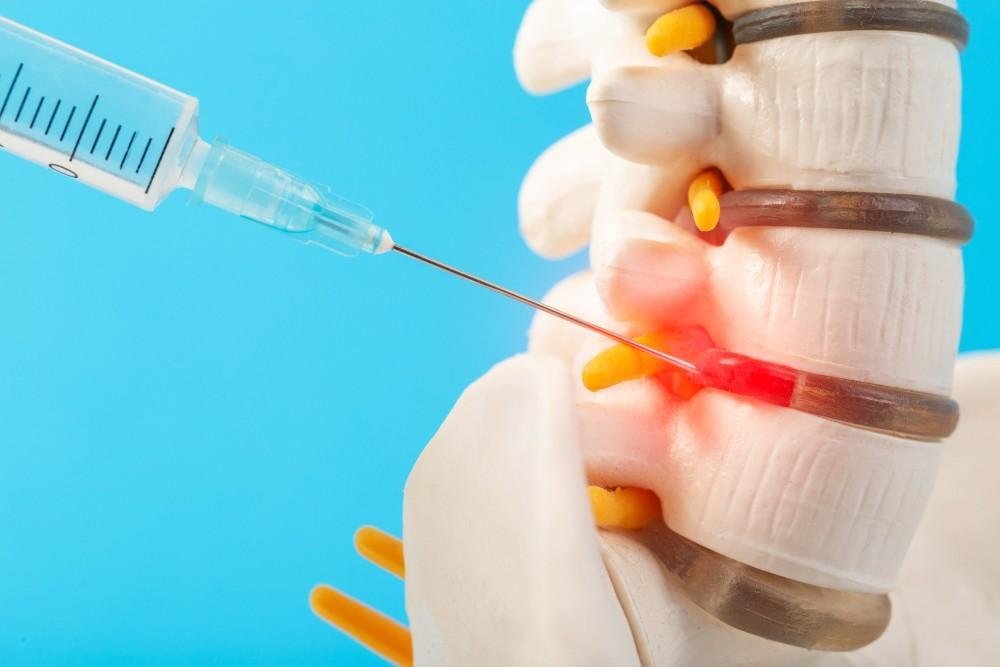
Nerve block injections involve delivering an anesthetic, sometimes combined with a corticosteroid, around a specific nerve or group of nerves. These injections can identify the origin of pain and provide relief in some cases. Imaging techniques, such as X-ray fluoroscopy or ultrasound, help guide needle placement for accuracy.
The anesthetic interrupts nerve signal transmission, preventing pain impulses from being perceived. The corticosteroid, when used, can reduce inflammation within surrounding tissues and extend the duration of relief. Relief varies in duration, from days to several months, depending on the specific condition and response to the injection. For some, multiple injections may produce a cumulative benefit. Nerve block injections are frequently used alongside other approaches as part of a broader pain management plan.
Spinal Cord Stimulation
When nerve block injections and other treatments prove insufficient, spinal cord stimulation (SCS) is a device-based therapy targeting chronic pain. SCS involves implanting thin wires in the epidural space near the spinal cord and a small generator under the skin. The device sends mild electrical pulses to interrupt pain signals before they reach the brain. This can result in a tingling sensation rather than pain, or a noticeable decrease in pain intensity.
Before a permanent implant, a temporary trial is performed in which leads are placed, and the generator remains external. The response is assessed over several days. If significant pain relief is reported, a permanent system may be implanted. SCS is commonly used for:
- Failed back surgery syndrome
- Complex regional pain syndrome
- Cases where pain persists despite more conservative measures
SCS devices are adjustable and can be programmed to deliver stimulation patterns based on individual needs.
Peripheral Nerve Stimulation
Peripheral nerve stimulation (PNS) targets nerves outside the spinal cord and brain, focusing on specific, localized areas of pain. Leads are positioned next to the peripheral nerve responsible for discomfort, and a device delivers controlled electrical pulses to modulate signal transmission. PNS is indicated in several conditions, including:
- Post-surgery pain
- Chronic nerve injury pain
- Chronic lower back pain
- Chronic headaches or migraines
- Pain in joints, such as elbows, knees, shoulders, etc.
The proximity to the source of pain allows PNS to address well-defined, localized regions. Devices have evolved to be small and less invasive, with both temporary and long-term systems available. Temporary systems can function for weeks and may be removed following improvement, while permanent implants are used for ongoing relief. PNS is often selected when localized nerve involvement is identified and when patients seek to avoid more central interventions.
Consult a Pain Management Specialist
Pain management strategies benefit from professional assessment and individualized planning. A pain management specialist can evaluate symptoms, review health history, and explain the risks and benefits of each therapy. Early involvement supports optimal management and fosters functional improvement in daily life.
Leave a Reply