
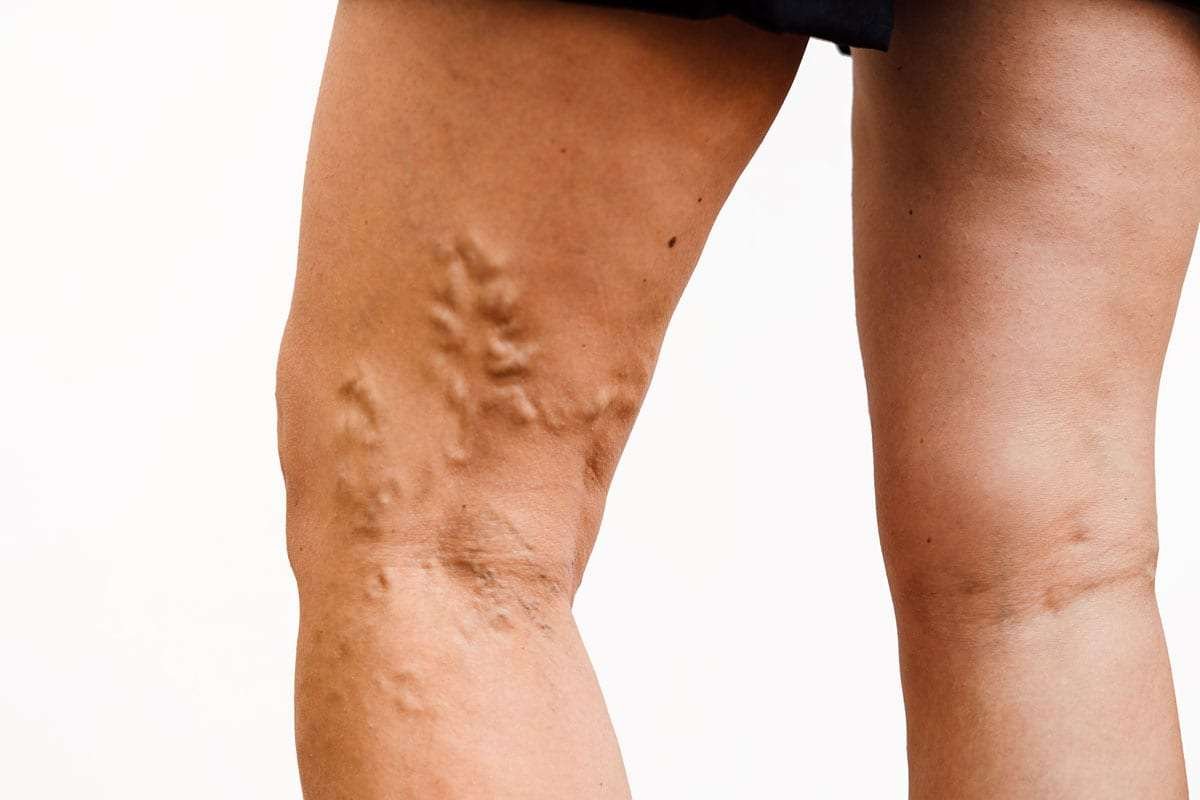
Varicose veins are enlarged, twisted veins that become visible just under the surface of the skin. While they can appear anywhere on the body, they most commonly develop in the legs and feet. These veins appear swollen and may be blue or dark purple, often resembling cords or ropes. Here’s information on the causes and symptoms of varicose veins:
The Causes
Varicose veins form when the small valves inside the veins stop working correctly. In healthy veins, these valves open to let blood flow toward the heart and then close to prevent it from flowing backward. When these valves weaken or become damaged, blood can pool in the veins, causing them to stretch and enlarge.
Several factors can contribute to this process and increase the likelihood of developing varicose veins, including:
- Age: The natural aging process can cause wear and tear on the valves in your veins, which may lead to malfunction.
- Prolonged Standing or Sitting: Remaining in one position for long periods can hinder blood flow, and gravity makes it harder for blood in the legs to circulate back to the heart.
- Hormonal Changes: Events such as pregnancy, puberty, or menopause can affect vein walls, as can hormonal medications like birth control pills.
- Genetics: A family history of varicose veins is a significant risk factor, indicating a genetic predisposition to weaker vein walls or valves.
- Obesity: Excess body weight places additional pressure on the veins, increasing the strain on the valves.
- Tobacco Use: Smoking can damage blood vessels and impact circulation, contributing to various vascular issues.
The Symptoms
Spider veins and varicose veins are both common vascular conditions, but they differ in appearance, severity, and symptoms. Spider veins are small, thin, and often red, blue, or purple in color, creating a web-like pattern close to the surface of the skin. They are typically painless and are primarily a cosmetic concern.
Varicose veins are larger, swollen, and twisted veins that are often raised above the surface of the skin. They can cause more severe symptoms, including pain, swelling, heaviness, and itching. They may also indicate underlying venous insufficiency, a condition that requires closer medical attention. Understanding the distinctions between these two conditions is key for proper diagnosis and treatment.
The signs and symptoms of these veins vary from person to person. Some common symptoms include:
- Discoloration of Skin
- Swollen Ankles and Feet
- Itchiness Around the Veins
- Heaviness of the Legs
- Pain in the Legs
- Ulcers or Sores
The Treatments
For individuals seeking to address varicose veins, several treatment options are available. A healthcare professional can determine the most appropriate approach based on a person’s specific condition. Some of these veins can be managed at home through lifestyle changes and self-care techniques that aim to reduce symptoms and prevent the condition from worsening.
Sclerotherapy
Sclerotherapy is a common procedure for smaller varicose and spider veins. During this treatment, a specialist injects a solution directly into the affected vein, and this causes the vein lining to collapse and eventually fade from view. Multiple sessions may be necessary to achieve the desired result. The procedure is typically performed in an outpatient setting, with temporary side effects possibly including bruising or soreness at the injection site.
Laser Therapy
Laser therapy is a non-invasive technique that uses strong bursts of light to treat smaller varicose veins. The heat from the laser damages the vein, which causes it to shrink and slowly disappear. This method does not involve needles or incisions. More than one session may be required, and potential side effects can include temporary skin discoloration or a feeling of soreness in the treated area.
Vein Surgery
For larger veins, surgical intervention may be recommended. Procedures such as vein ligation and stripping involve tying off an affected vein and removing it through small incisions. These surgeries are typically performed in a hospital or an outpatient surgical center. Recovery can involve temporary bruising and discomfort, but modern surgical techniques have helped minimize patient downtime.
Schedule a Varicose Veins Consultation
Vein issues can affect many processes within the body, influencing many aspects of health. If you are experiencing symptoms or are concerned about the appearance of your veins, contact a vascular specialist for an evaluation. A professional can provide a thorough assessment, diagnose your condition, and discuss individualized treatment options.
Leave a Reply