
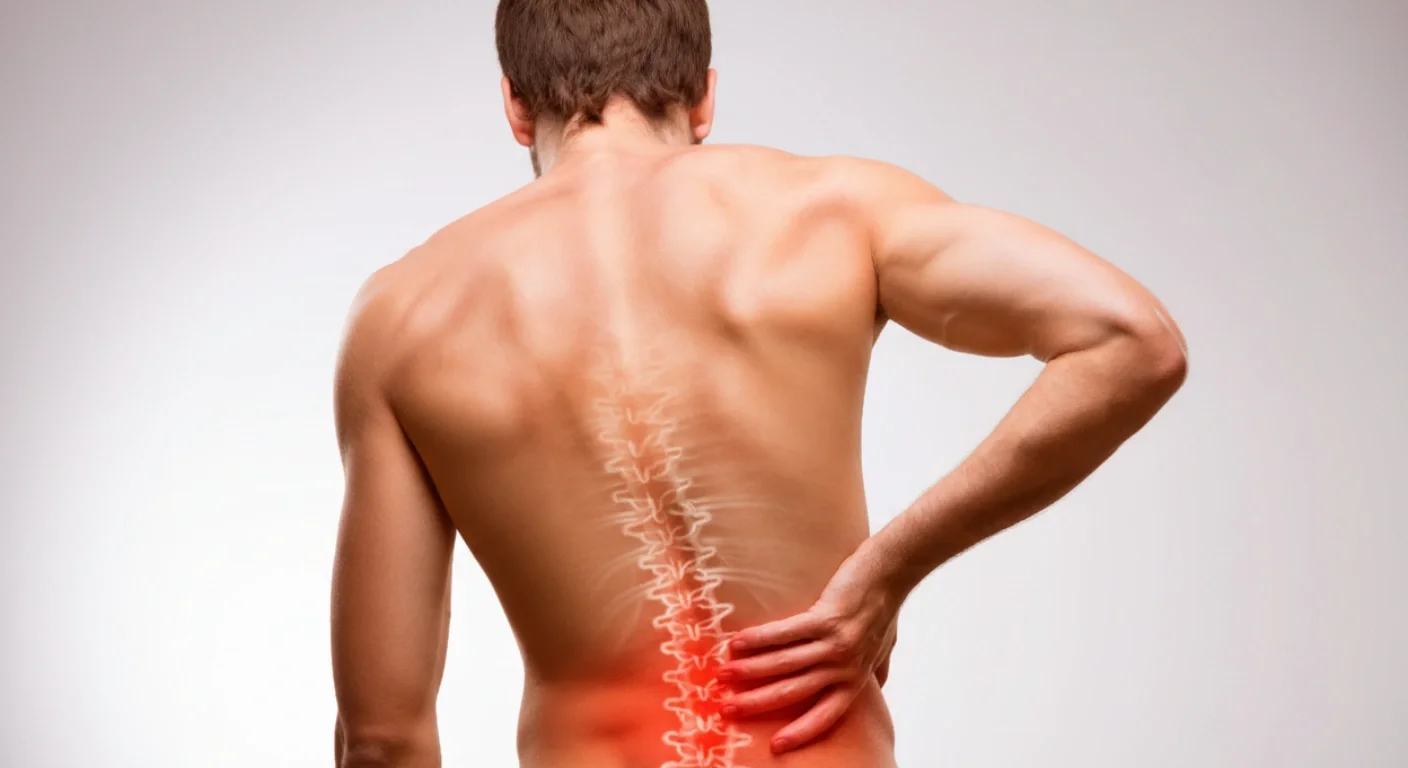
Back pain impacts daily activities and overall quality of life. The discomfort may range from a dull, persistent ache to a sudden, sharp sensation. Understanding the nature of your pain is a helpful step in seeking the right support. Here is some information about the different types of back pain:
Acute Back Pain
Acute back pain appears suddenly and may last for a few days to a few weeks. It often signals the body’s immediate response to an identifiable event or injury. You might experience this pain after lifting heavy items, making sudden movements, or slipping and falling. The pain typically feels sharp or stabbing and can make movements like sitting or bending uncomfortable.
Acute pain often results from a mechanical cause. This means the way the muscles, ligaments, discs, or joints of the back fit together and move is disrupted. Muscle and ligament sprains are common causes, often resulting from overexertion or movement that puts stress on the back.
Many people find that acute pain eases fairly quickly with rest, gentle activity, and self-care strategies. These could include using cold packs to reduce swelling or applying heat to relax tight muscles. If acute pain follows a traumatic injury or leads to numbness, a thorough medical evaluation is necessary.
Chronic Back Pain
Chronic back pain is defined as pain that persists for 12 weeks or longer, even after the initial cause has been addressed or treated. Unlike acute pain, which improves as the body recovers, chronic pain may be constant or fluctuate without warning. It can impact your ability to complete daily tasks. There are many sources of chronic pain, including:
- Osteoarthritis: The protective cartilage inside joints wears down over time
- Spinal stenosis: Spaces in the spine narrow and put pressure on nerves
- Degenerative disc disease: Discs between your vertebrae break down over time, causing pain and instability
Living with chronic pain frequently requires support and management strategies that address more than the physical discomfort. These may involve a combination of physical therapy, medication, and lifestyle adjustments. A pain management specialist evaluates your condition and may recommend epidural injections or nerve blocks to reduce inflammation and pain signal frequency.
Referred Pain
Referred pain is a type of back pain that originates in one part of the body but is perceived in another. This means you could experience discomfort in areas such as your leg, hip, or even your lower abdomen, although the problem originates in your spine. With sciatica, irritation of the sciatic nerve in the lower spine may send pain radiating down the back of your leg. This can make it difficult to walk or sit for long periods.
Referred pain occurs because the body’s nervous system can make it difficult for the brain to pinpoint the source of distress. An injury to a spinal disc can make you feel pain in your buttock or thigh rather than your lower back. Health issues involving the kidneys or pancreas may also cause referred pain to the back.
Work With a Pain Management Specialist
A pain management specialist is trained to evaluate your symptoms, review your medical history, and order diagnostic tests that reveal the pain’s origin. They also help you develop a plan that addresses the triggers and sources of your pain. This plan may include a blend of therapies, education, and support tailored to your situation. If you are struggling with back pain, schedule a consultation with a pain management specialist today.
Leave a Reply