
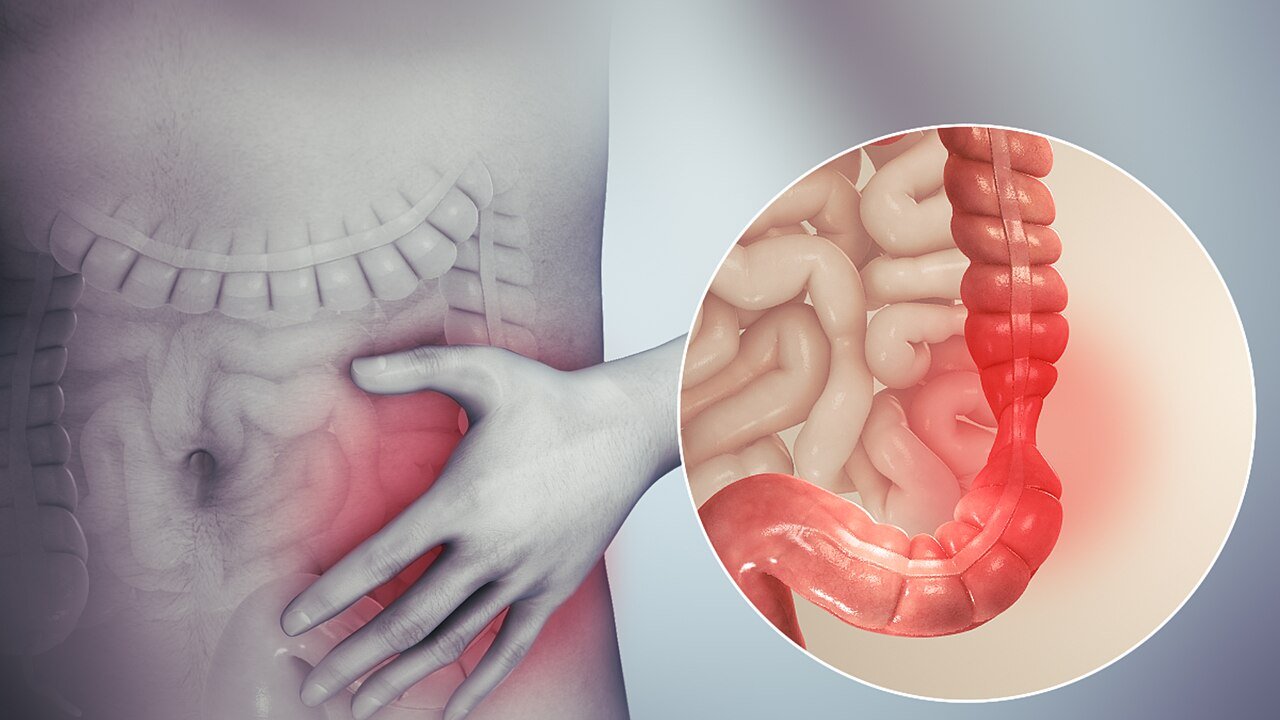
Irritable bowel syndrome, or IBS, is characterized by a group of digestive symptoms that occur together, and these issues typically do not cause visible damage. IBS can cause chronic abdominal pain or bloating. If you are seeking relief from IBS symptoms, consult a Gastroenterologist to get a diagnosis and a management plan. Here is more information about irritable bowel syndrome and how it is treated:
Understanding IBS
Although researchers are still studying the exact causes of irritable bowel syndrome, they classify it as a gastrointestinal disease. This condition affects how the brain and gut work together; it makes the digestive tract more sensitive. A gastroenterologist identifies these biological changes to diagnose IBS and help patients manage their symptoms. Because this disorder is widespread, it affects up to 15% of adults in the United States, and most of these individuals are under age 50.
When symptoms appear, they vary in intensity for each individual. Some conditions, such as celiac disease, present like IBS, so providers rule out other inflammatory issues before diagnosing irritable bowel syndrome. Common signs of IBS may include:
- Abdominal cramping or pain.
- Excessive gas and bloating.
- Changes in bowel movement frequency.
- Presence of mucus in the stool.
Diagnosing IBS
Providers start with a physical exam, and they review your personal family history. Describe your diet and stress levels during this appointment. If you keep a food diary for several weeks, it may help your doctor to identify specific triggers more easily. While some patients only need a physical check, others require blood work or urinalysis, and these tests help rule out other diseases.
Since the symptoms of other conditions can be similar to those of IBS, a provider might recommend an endoscopy or colonoscopy. These tests allow a visual inspection of the intestinal lining. Patients who need these diagnostic procedures often have unrelated symptoms; they are typically used when a patient experiences symptoms like unexplained weight loss or bloody stool.
Treating IBS
Diet modification is one conservative treatment strategy, and some patients find success with a low-FODMAP diet. Because FODMAPs are types of carbohydrates that are hard to digest, limiting them reduces gas and bloating. Stress management also plays a role in reducing gut sensitivity. If lifestyle changes are not enough, a doctor might prescribe antispasmodics to stop gut spasms, as these medications help regulate muscle contractions.
Visiting a Doctor
If you experience unintended weight loss or rectal bleeding, contact a medical professional. The following symptoms may merit a visit to your healthcare provider:
- Severe diarrhea
- Vomiting
- Fever
- Severe abdominal pain
Many digestive issues are manageable, but you may need a professional evaluation to verify your health status.
Find a Gastroenterologist Today
Irritable bowel syndrome is a chronic condition that causes significant abdominal discomfort, and these symptoms may interfere with daily routines. Patients may find relief through consistent treatment plans and lifestyle management. A gastroenterologist can diagnose the underlying causes and help you find a treatment for your needs. To learn more about how to manage and treat the symptoms of IBS, consult a gastroenterologist today.
Leave a Reply