
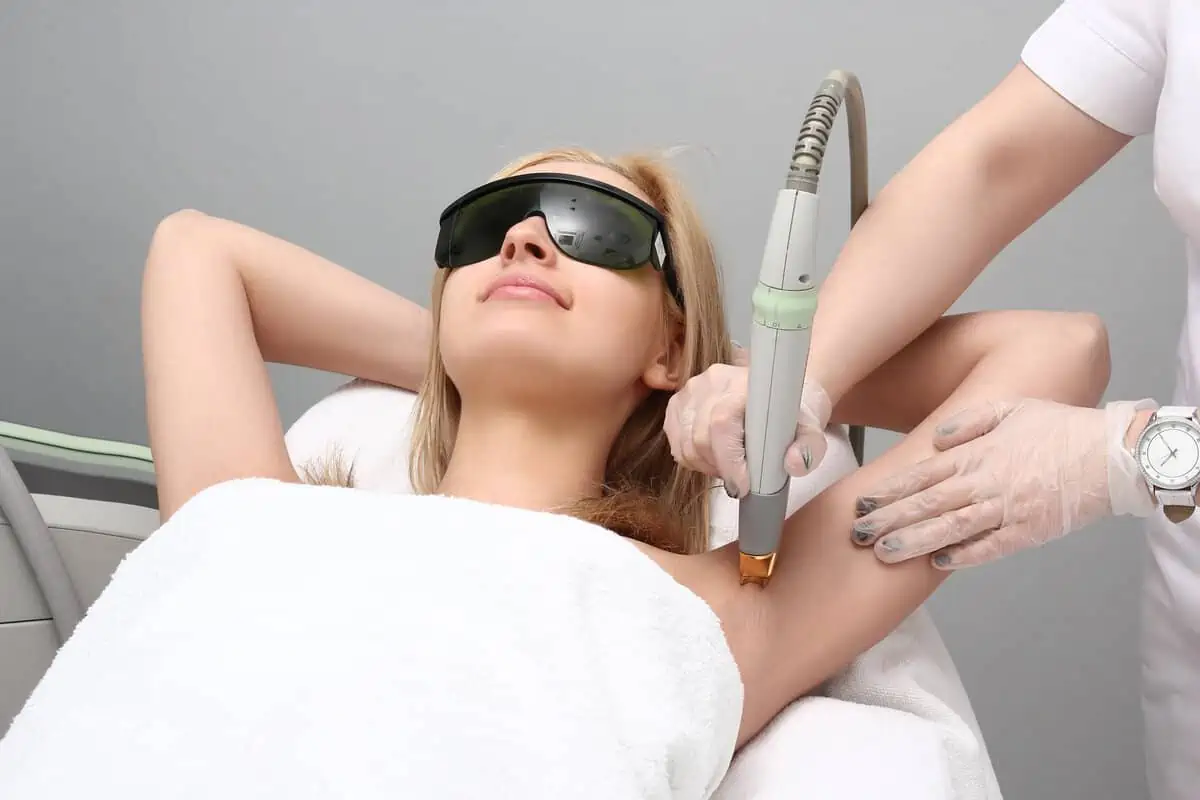
Laser hair removal uses advanced technology to reduce unwanted hair growth by targeting hair follicles with focused light. The procedure involves a specific interaction between laser energy and the natural pigment within the hair, resulting in the inhibition of new hair growth. It is a form of aesthetic treatment that is utilized in professional dermatology to remove unwanted hair.
What Is Laser Hair Removal?
Laser hair removal is a dermatology procedure that employs concentrated light energy designed to affect hair at its root. The method relies on a chosen wavelength of light that selectively heats the pigment found in hair. When the laser passes over the skin, this pigment in the hair shaft and follicle absorbs the light, transforming it into heat. This heat disrupts the hair follicle’s function and ability to produce future hair.
The process is closely linked to the human hair growth cycle. Laser hair removal is most effective during the anagen phase, when the hair is firmly attached to the follicle. Not all body hairs are in the same growth phase at any given time. Only a portion of hair can be treated during one session, making multiple sessions necessary to address each follicle during its active stage.
What Does the Process Involve?
The process of laser hair removal begins with an assessment by a qualified professional, and factors such as skin tone, hair color, thickness, and the area being treated are evaluated to determine the most suitable approach. On the day of the procedure, the skin is cleansed. Protective eyewear is worn by both the patient and the practitioner.
Using a handheld device, the professional administers precise pulses of laser light to the targeted skin area. The device is moved systematically to cover the entire treatment region. Treatment sessions vary in length. Small areas may require only a few minutes, while larger areas can take an hour or more. The sensation experienced during the process is often described as similar to a rubber band snapping against the skin.
After treatment, temporary skin changes are common. Mild redness and swelling may occur, often resembling a light sunburn, but these typically resolve within hours to a few days. Patients receive instructions for post-treatment care, which often recommend avoiding direct sun exposure and regularly applying sunscreen to the treated area.
What Are the Results?
Reduction in hair density and thickness becomes more noticeable after a series of treatments. Because the laser only affects hair during the anagen phase, several sessions are required to address all follicles effectively. The number of sessions needed varies based on hair density, color, the area treated, and the patient’s skin type. Periodic maintenance treatments may be suggested to sustain results, especially if active hair follicles produce new growth over time.
Seek Professional Dermatology Services
Understanding the process and technology behind laser hair removal can help patients make informed choices about reducing unwanted hair. Consultation with a qualified dermatologist or medical professional provides a personalized assessment and guidance on the suitability and expected outcomes of the treatment. This helps to support a safe and effective experience.
Leave a Reply