
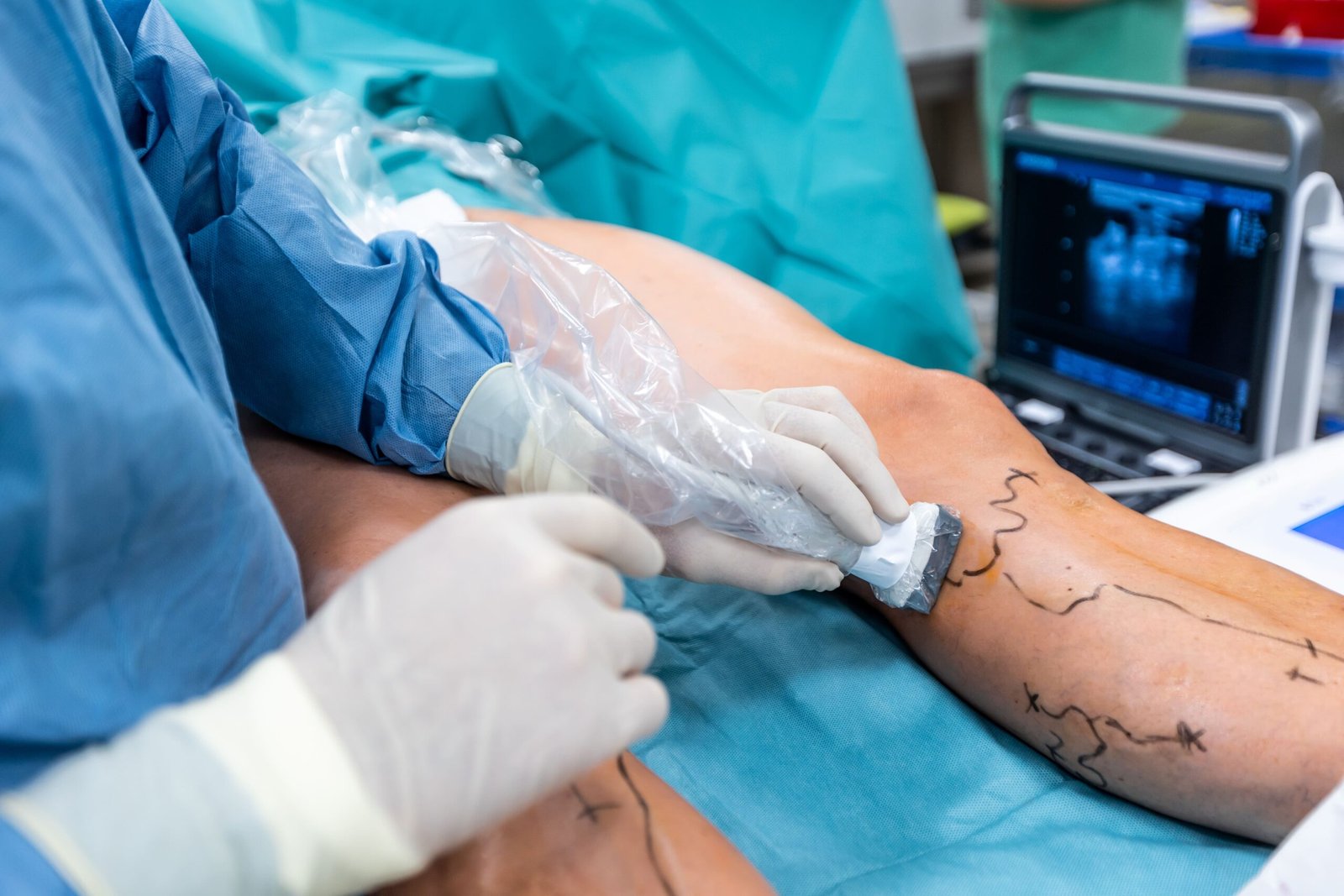
Vascular disease is any disease that affects the body’s circulatory system, and sometimes surgery is the best treatment for these diseases. When issues arise within your veins or arteries, vascular surgeons can provide the specialized care needed to manage and treat these conditions. Here is more information about vascular disease, some causes, and an explanation of some treatments:
Vascular Disease
Vascular issues and diseases encompasses a wide range of conditions that impact the circulatory system. These issues can manifest as leg swelling or leg pain. Blood flow might be restricted by peripheral artery disease, which affects the limbs. Other serious concerns include stroke or a pulmonary embolism in the lungs. Vascular surgeons may offer treatment options that address the underlying causes of the symptoms of vasculr disease.
Venous diseases are vascular conditions that involve the veins. Spider veins and varicose veins are common examples of venous conditions. These veins often appear on the legs and may cause pain and discomfort for the patient. These veins are more than just a cosmetic concern, as they can cause pain and discomfort in patients. Some patients develop deep vein thrombosis, which requires careful monitoring. Addressing these problems early leads to a better outlook in treatment and recovery.
Surgical Intervention
Vascular specialists use diagnostic tools, such as vascular ultrasound, to diagnose hidden issues within the vessels. This non-invasive tool allows for a clear view of blood flow patterns. Surgical intervention might be the most appropriate path for thoracic aortic aneurysm management. Doctors also treat abdominal aortic aneurysm with specialized procedures. The intended purpose of these interventions is to prevent life-threatening ruptures.
Treatment plans vary based on the specific diagnosis and the patient’s individual case. A surgeon might address carotid artery disease to reduce stroke risks, and patients with intestinal ischemic syndrome may also require surgical repair. If a person has popliteal entrapment syndrome, surgery may restore normal circulation.
Professional Treatment
If you notice an significant changes that could point to vascular disease, consult a healthcare provider. One symptom to look for is persistent changes in the sensations in your limbs, such as tingling. Persistent leg pain while walking can indicate underlying arterial issues, and swelling that does not subside might be a sign of venous insufficiency. Professional evaluation helps identify risks before they become emergencies.
Maintain awareness of your circulatory health through regular checkups. Providers look for signs of carotid artery aneurysm during routine screenings. Lifestyle factors such as smoking and high blood pressure may affect your risk of vascular disease, and genetics also affect your chances as well. A specialist can provide a thorough assessment of your vascular system, and consistent monitoring helps the provider determine if any disease progression is being managed effectively through treatment.
Contact Vascular Surgeons Near You
Monitoring and caring for your circulatory system can help maintain physical health. When surgery is the most appropriate treatment for a vascular disease or condition, a vascular surgeon can provide various treatments to address the underlying causes of symptoms. A vascular surgeon can discuss concerns and questions you may have about treatment options and recovery time. To learn more about vascular disease and how surgey can help, consult a vascular specialist near you.
Leave a Reply