
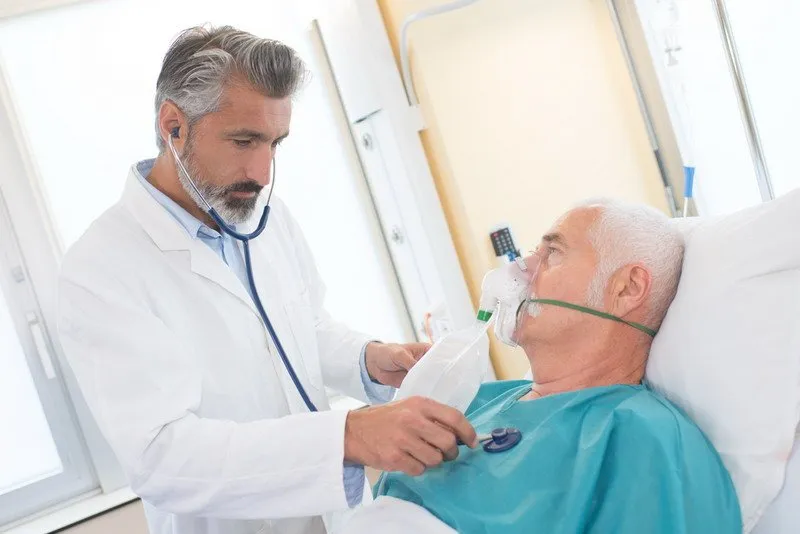
Pulmonary rehabilitation is a structured program that supports individuals with chronic respiratory conditions. It involves supervised exercise to strengthen breathing-related muscles and education to teach self-management skills. The primary goal is to help individuals manage their symptoms and understand their condition better to improve daily functioning. This rehab program combines exercise, education, and support to address the unique challenges of living with a long-term lung disease. Here is more information on pulmonary rehab benefits for chronic respiratory conditions:
Comprehensive and Educative Plans
Pulmonary rehab programs offer comprehensive and educational plans tailored to each individual’s needs. These programs consist of several key components, including exercise training, education on lung disease management, and instruction in breathing techniques. They may incorporate airway clearance strategies, nutritional guidance, and mental health support, helping patients receive a well-rounded condition management approach.
Focusing on patient education helps to build self-efficacy. Self-efficacy refers to an individual’s belief in their ability to manage and to achieve specific goals. An individual’s sense of self-efficacy can significantly influence how they approach health-related goals, tasks, and challenges. This plays a pivotal role in health condition management, as a strong sense of self-efficacy empowers patients to take an active role in their care.
When individuals feel good in their capacity to understand their treatment plans and overcome obstacles, they are more likely to make informed decisions. This can help people engage in health-promoting behaviors more consistently. By incorporating strategies to build and support self-efficacy, patients help enhance the success of their condition management plans. Some strategies to improve self-efficacy may involve:
- Improving Patient Education and Understanding
- Setting Goals
- Regularly Checking in and Getting Feedback
Improving Breathing Function
A core component of pulmonary rehab is its focus on improving breathing function through physical conditioning and specialized education. The program separates these elements into targeted training for musculoskeletal support and specific instruction for breath support. This rehabilitation is used for a wide range of chronic respiratory conditions, including:
- Asthma
- Bronchiectasis
- Chronic Obstructive Pulmonary Disease (COPD)
- Cystic Fibrosis
- Interstitial Lung Disease
- Lung Cancer Care
- Post–lung Surgery Recovery
- Pulmonary Hypertension
Physical Rehab for Musculoskeletal Support
Physical rehabilitation focuses on exercises that support the muscles involved in breathing and overall physical endurance. Sessions often include targeted aerobic activities, resistance training for strength, and flexibility exercises to improve posture and chest wall mobility. Respiratory muscle training may also be included to strengthen the diaphragm and other breathing muscles. A typical session involves a warm-up, followed by structured exercise intervals and a cool-down period, and healthcare professionals monitor progress for safe and gradual activity progression.
Pulmonary Rehab for Breath Support
The educational aspect of pulmonary treatment provides instruction on techniques to manage breathing difficulties. This includes breathing retraining strategies, such as pursed-lip breathing, which can help control shortness of breath. Patients also learn about airway clearance methods to manage mucus, energy-conservation tactics for daily activities, and the correct use of medical devices such as inhalers and home oxygen equipment.
Other Supporting Treatments
Pulmonary rehabilitation is not a standalone treatment, as it is designed to work in conjunction with an individual’s broader, comprehensive medical care plan. Programs are often coordinated with other prescribed treatments, including medications and the use of a CPAP machine. A person’s rehabilitation plan can also be aligned with smoking cessation efforts, vaccination schedules, and specific nutrition plans developed with a dietitian.
Learn More About Pulmonary Rehab
Pulmonary rehabilitation offers a structured framework for managing chronic respiratory conditions through supervised exercise and education. To learn more about pulmonary treatments, contact a pulmonary care specialist for an evaluation of your condition. A specialist can work with your established management plan to help improve your breathing functionality.
Leave a Reply