
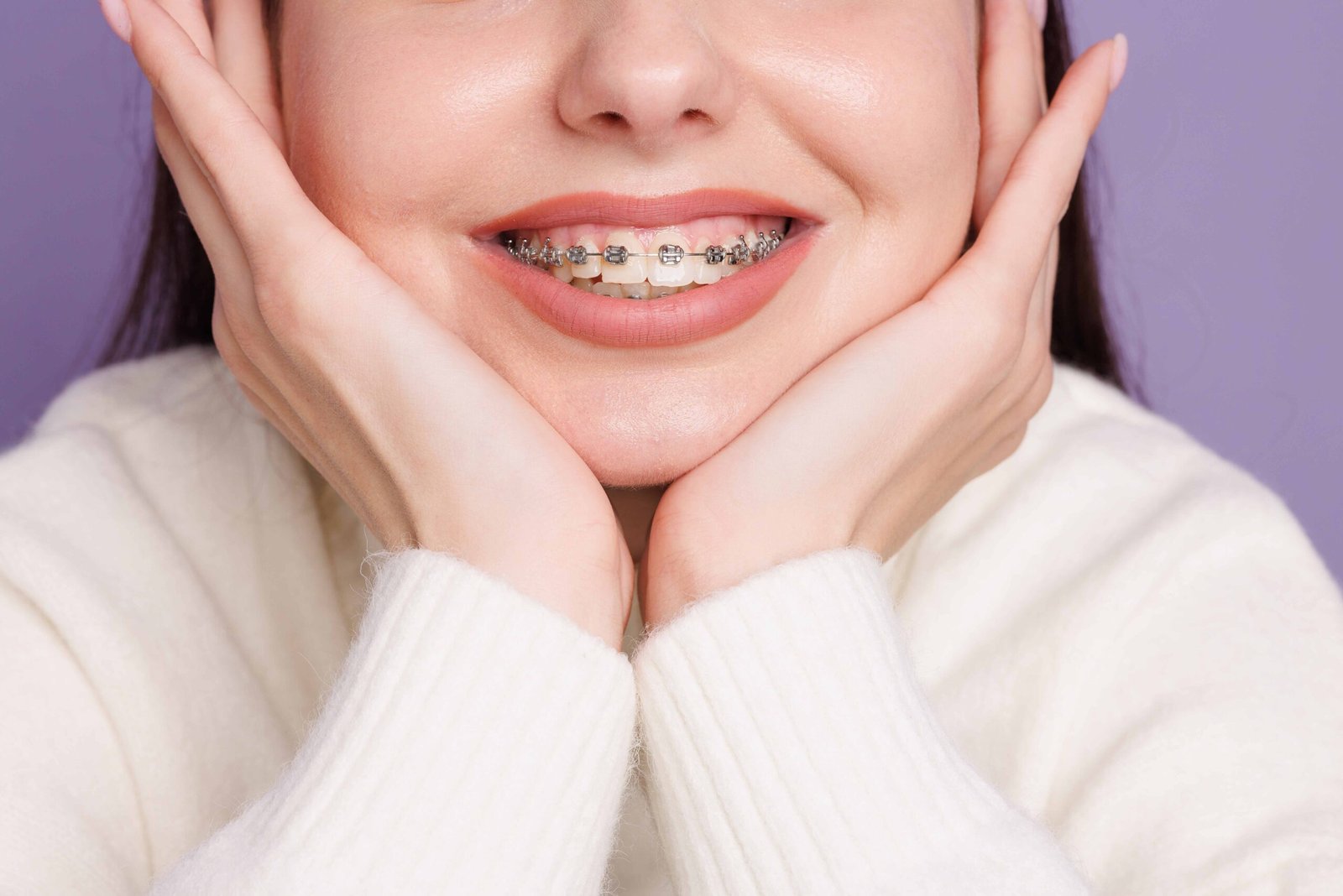
Orthodontics addresses structural irregularities found within the teeth and jaw, and it improves overall oral health. Patients visit specialists to diagnose various irregularities in their teeth. Because every mouth differs structurally, doctors create specific treatment plans for every individual patient. Here is more information about the role of orthodontics to improve the look and function of your teeth:
Fixing Uneven Teeth
While teeth typically emerge straight, they sometimes crowd together later or rotate into poor positions. Crowding complicates daily hygiene routines, and it makes it harder to brush and floss. Braces apply steady pressure to the arch, but clear aligners also move teeth into place. This calculated movement aims to solve spacing issues.
Plaque accumulates quickly in tight spaces between overlapping teeth, and bacteria multiply in these hidden zones. Brushing becomes difficult when these areas form. If bacteria remain trapped for days, the patient’s risk of gum disease may increase significantly. Straight teeth simplify oral care, and proper alignment enhances oral hygiene and may reduce the risk of cavities and long-term dental complications.
Fixing Misalignments
Misalignment affects jaw function, and it impacts facial symmetry by altering how the jaws meet. When the jaws fail to meet, strain occurs on the joints and surrounding facial muscles. Patients wear appliances daily, so compliance affects the final results of the therapy. Orthodontic devices shift jaw positioning by correcting:
- Overbites
- Underbites
- Crossbites
Correcting misalignments may help improve oral functionality and enhance overall facial aesthetics. It is helpful to follow the treatment plan, and you can practice consistency to help. While the process may take time, the long-term benefits for both dental health and appearance may become apparent.
Closing Gaps
While small spaces occur naturally, missing teeth create larger gaps that disrupt the dental arch, and adjacent teeth drift into voids. Spacing issues might worsen over time, and the bite becomes unstable without intervention. Orthodontists typically use springs to close these open areas effectively during the active treatment phase.
Adjusting Bite Function
A proper bite distributes chewing force evenly across the arch, which protects the tooth enamel. Because muscles work hard, balance prevents long-term jaw strain and potential joint damage. Chewing may become efficient and comfortable. This careful adjustment makes sure that both functionality and aesthetics are restored, promoting overall oral health.
Joint pain results from poor mechanics, and headaches may follow as a secondary symptom. As the jaw joints struggle, chronic discomfort develops slowly over many months or years, but treatment realigns the contact points. Tension may decrease significantly, and the jaw muscles relax into a natural position.
As the bite improves, speech clarity typically changes noticeably for many orthodontic patients. The tongue contacts teeth differently. Articulation becomes much sharper, and pronunciation feels more natural during conversations. Functional improvements remain a primary goal of orthodontics for most providers.
Find Orthodontics Near You
Many local clinics offer consultations for new orthodontic patients who seek better dental alignment. If you need treatment, the doctor examines your structure and discusses potential options. You can request an evaluation, and they will assess your specific needs during the first visit. Contact a provider today to begin the process of straightening and treating your teeth.
Leave a Reply