
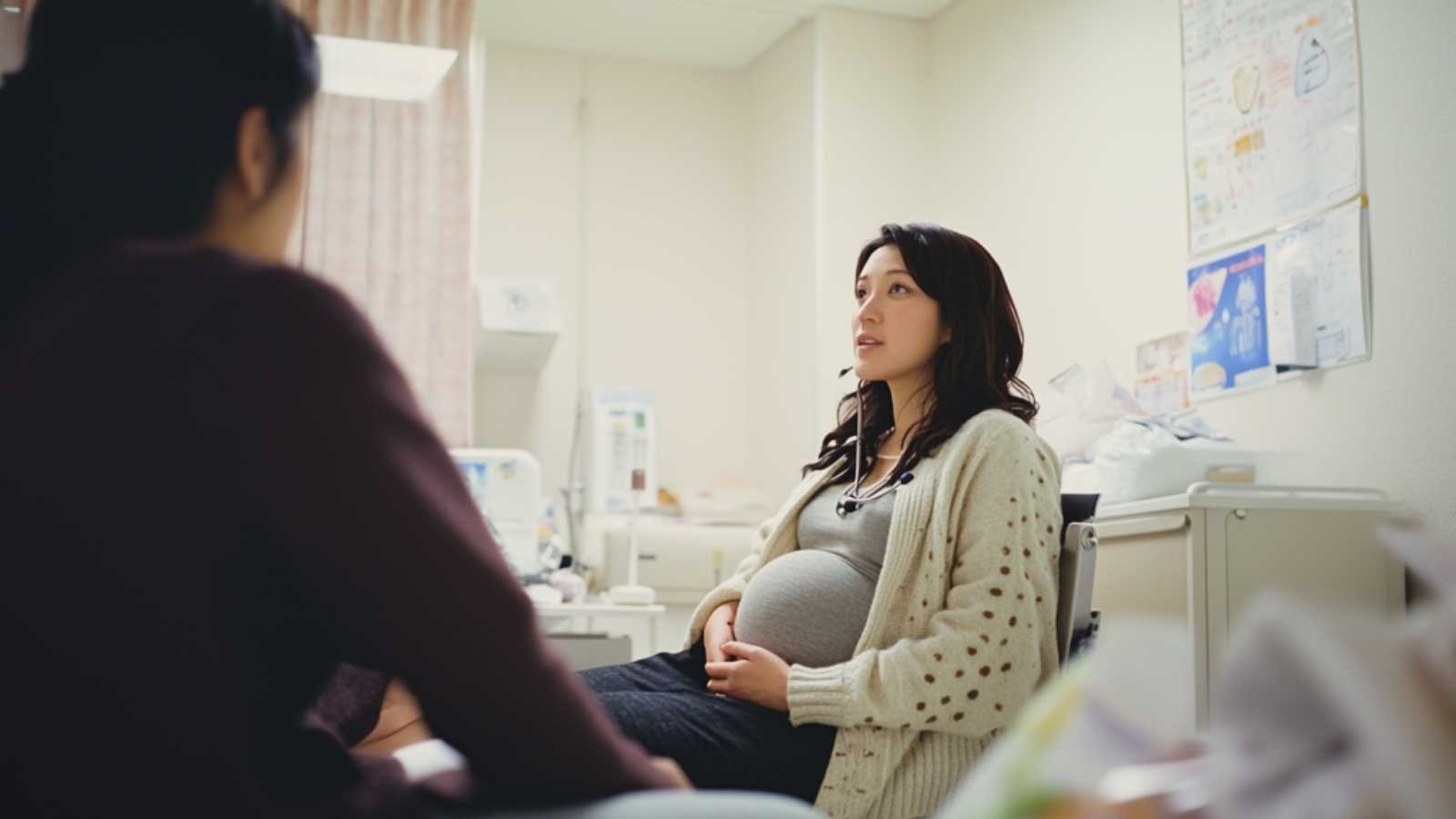
Obstetrics is a specialized medical field focused on supporting women throughout pregnancy, childbirth, and the period following delivery. Obstetricians are trained to monitor both maternal and fetal health, provide screening and diagnostic procedures, and address medical needs at every stage of the reproductive process. Their care begins with early pregnancy visits and continues through postpartum recovery, offering medical guidance and support that adapts to changes in each phase.
Prenatal Care
Prenatal care begins at conception and extends until labor. During this phase, obstetrics specialists conduct routine appointments to record medical history, perform physical exams, and review factors that may influence maternal and fetal health. Standard diagnostic procedures include blood tests and ultrasound imaging, which can help estimate the due date and detect medical conditions. Specific conditions, such as gestational diabetes, require ongoing observation and medical management. Detecting these conditions early allows obstetricians to recommend interventions that support the well-being of both mother and fetus.
Prenatal care includes individualized education about labor, delivery, nutrition, and activity, as well as discussions about pain management options available during childbirth. Obstetricians discuss signs of labor, expected processes during delivery, and other practical topics to prepare expectant mothers and their families. This communication helps patients make informed choices as pregnancy advances.
Childbirth
During childbirth, obstetricians oversee labor and delivery to address both normal processes and unexpected circumstances. Continuous observation includes fetal heart monitoring and assessment of maternal contractions, as well as evaluating labor progression. Obstetricians are prepared to manage various types of deliveries, including vaginal births and Cesarean sections. Instrumental deliveries may be indicated when labor does not advance as expected or if there are signs of fetal distress. Cesarean sections are performed if a vaginal birth could pose risks for the mother or baby.
Pain management in labor is addressed through a range of options, with obstetricians and anesthesiologists collaborating to offer suitable choices. The birth plan and the safety of both patients are central to decision-making throughout the process. Following birth, attention shifts to immediate care for both mother and newborn. Ongoing assessment in the minutes and hours after birth supports stabilization and a smooth transition to postpartum care.
Postpartum Care
The postpartum period refers to the weeks after delivery when the body recovers from pregnancy and childbirth. Obstetricians provide follow-up appointments to monitor healing of surgical sites, assess overall health, and address breastfeeding issues. Standard screening also covers symptoms of postpartum depression, as mental health monitoring is an integral part of recovery.
In this stage, obstetricians discuss family planning, offer information on contraceptive options compatible with breastfeeding, and address pelvic floor health or urinary symptoms as needed. Any complications or conditions first identified during pregnancy may require ongoing attention or referral for long-term follow-up.
Education continues during postpartum care, covering recovery expectations, newborn care, and health maintenance. The transition from pregnancy to new parenthood is supported through open communication and appropriate referrals when needed. Postpartum visits bridge the shift from specialized obstetrical care back to general medical or gynecologic care, helping make sure that health concerns receive ongoing attention.
Seek Professional Obstetrics Care
Expert obstetric care provides monitoring, guidance, and intervention throughout pregnancy, labor, and postpartum recovery. Their mission is to support maternal well-being. Establishing an ongoing relationship with an obstetrician promotes informed decision-making, early detection of potential complications, and continuity of care, benefiting both mother and baby in the transition to parenthood.
Leave a Reply