
Advancements in fertility services have made it possible to diagnose and treat reproductive challenges with greater precision and less discomfort. One key procedure used in this process is laparoscopy, a minimally invasive technique that allows doctors to identify and address conditions affecting fertility. Here’s how laparoscopy supports fertility services:
Understanding Laparoscopy in Fertility
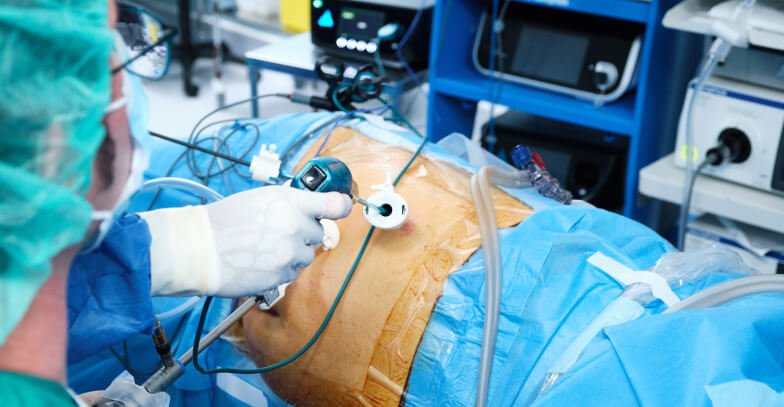
Laparoscopy is a surgical technique in fertility services that provides a direct view of the female reproductive organs. During the procedure, a surgeon makes a small incision near the navel and inserts a thin, lighted tube called a laparoscope. This instrument sends images from inside the body to a video monitor, giving the doctor a clear view of the uterus, fallopian tubes, and ovaries. Because it is a minimally invasive procedure, it generally results in less pain and offers a quick recovery time.
Diagnosing Hidden Causes of Infertility
Sometimes, standard fertility tests do not reveal the cause of infertility. In these cases, a laparoscopy can be a key diagnostic step. The procedure helps identify underlying conditions that may not be visible on an ultrasound or through other non-invasive tests. Doctors can find and assess a variety of problems by directly viewing the pelvic organs. Some conditions diagnosed through laparoscopy include:
- Endometriosis: This is a condition where tissue similar to the lining inside the uterus grows outside of the uterus.
- Pelvic Adhesions: Scar tissue can form between organs, potentially blocking the fallopian tubes or interfering with ovulation.
- Uterine Fibroids: These noncancerous growths in the uterus can sometimes affect fertility, and laparoscopy helps determine their size and location.
- Blocked Fallopian Tubes: A laparoscopy can confirm if the fallopian tubes are open, which is necessary for the egg to travel from the ovary to the uterus.
With laparoscopic insights, physicians can identify and address underlying conditions that may be hindering fertility. This offers a clear path to appropriate treatment and management.
Treating Fertility-related Conditions
Laparoscopy is not only a diagnostic tool; it is also used to treat certain conditions that cause infertility. This is often done during the same procedure in which the diagnosis is made, a process known as operative laparoscopy. For instance, a surgeon can remove endometrial implants, scar tissue, or uterine fibroids that are impacting fertility. If a fallopian tube is blocked by fluid, it can be repaired or removed to improve the chances of a successful fertility treatment, such as in vitro fertilization (IVF). Treating these issues helps to restore normal pelvic anatomy and function, potentially enhancing a person’s ability to conceive.
Deciding When To Choose Laparoscopy
Laparoscopy may be recommended by specialists in cases where specific medical conditions are affecting fertility or causing significant pelvic pain. Here are common scenarios in which laparoscopy may be recommended:
- Chronic pelvic pain that does not respond to other treatments.
- Suspicion of endometriosis or confirming its severity and extent.
- Diagnosis and treatment of uterine fibroids, endometrial implants, or pelvic adhesions.
- Evaluation and potential treatment of hydrosalpinx (fluid-filled fallopian tube).
- Identifying and resolving unexplained infertility.
This procedure is recommended after other diagnostic methods and treatments have not provided sufficient information or relief.
Explore Fertility Services near you
Laparoscopy is a key procedure in fertility care, offering diagnostic and therapeutic benefits. It allows specialists to identify and treat underlying issues like endometriosis and blocked fallopian tubes that may be affecting your ability to get pregnant. This minimally invasive surgery can offer answers and solutions by providing a clear view of the reproductive organs. Contact a fertility specialist near you to learn more about laparoscopy and explore available fertility services.
Leave a Reply