
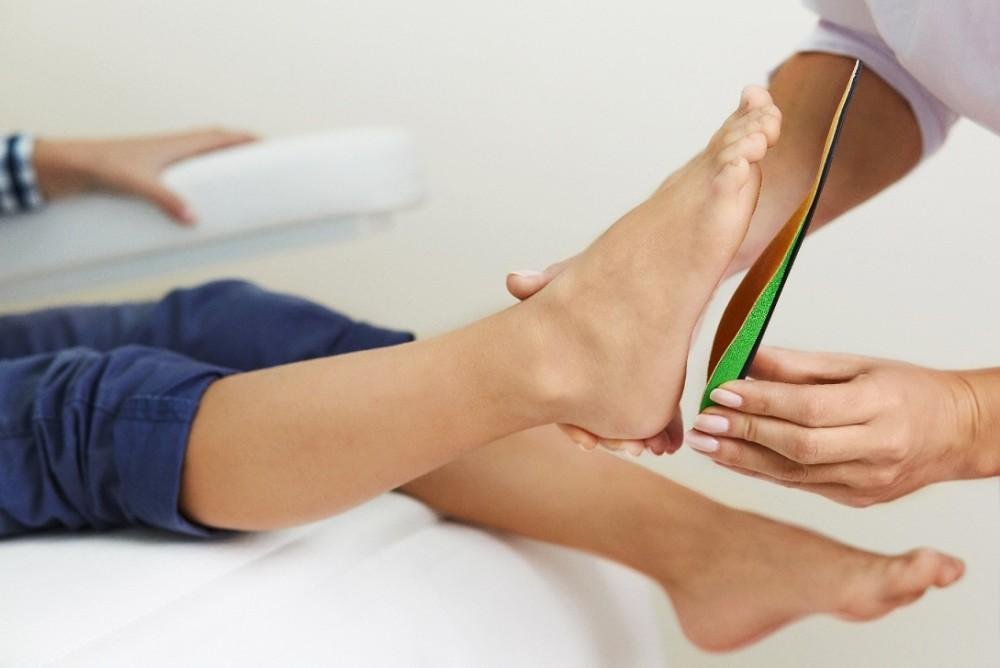
Foot pain can affect daily activities, but custom orthotics from a custom orthotics clinic often help people find relief. Custom orthotics are one solution designed to address discomfort and improve foot function. This article outlines the process of obtaining custom orthotics, covering what they are, the clinic visit, and the associated benefits. Visiting a custom orthotics clinic is helpful for individuals seeking related care.
What Are Orthotics?
Orthotics are devices worn inside shoes to address various foot and ankle conditions. They include over-the-counter inserts and custom-made devices; they are used for conditions like plantar fasciitis, flat feet, and bunions. These devices are primarily prescribed at a custom orthotic clinic. Custom orthotics are designed to match an individual’s foot contours. They provide targeted support where it is needed most, which differs from generic, mass-produced options. Depending on the need, a podiatrist might prescribe a functional orthotic made of semi-rigid material for motion control or an accommodative orthotic made of softer material for cushioning.
Orthotics are categorized into three major groups: prefabricated, semi-custom, and fully custom devices. Over-the-counter options are commonly made from foam or gel, and they are designed to fit a general population, so they often do not address unique structural variations. Semi-custom orthotics are modified from existing templates based on foot measurements. Fully custom products are crafted from impressions or scans and provide a bespoke fit. Because different materials offer varying degrees of flexibility, durability, and support, the selection often depends on the user’s needs and the medical advice of their provider.
What Are Custom Orthotics Clinics?
The process begins with an appointment at a podiatry clinic. A podiatrist conducts a physical examination of the feet and ankles, and this assessment helps determine if custom orthotics are an appropriate treatment. To create the orthotics, precise measurements of the feet are taken; methods include plaster molds, foam box impressions, or 3D digital scanning. The collected data guides the fabrication of the final devices.
During the evaluation, the practitioner observes your gait and how you distribute weight while walking or standing; these factors help identify any abnormal foot mechanics. The measurement process can include capturing both static and dynamic imprints. Sometimes, computer analysis is used to develop a more complete profile of foot shape and movement. Afterwards, the orthotic is custom-made in a laboratory with materials and specifications matched to your activity level and diagnosis, so the resulting device supports your daily activities with an accurate, individualized fit.
What Are The Benefits?
Custom orthotics provide tailored support for the feet and ankles. These devices improve the function of the foot and ankle, and they can also help manage certain foot deformities. Many clinics that provide custom orthotics also offer a range of related services, thus patients can receive comprehensive care for issues like diabetic foot complications or sports-related injuries. These additional services complement the use of orthotics for a broader treatment plan.
The primary benefits of custom orthotics include optimizing foot mechanics and reducing stress on affected joints, which can decrease discomfort during daily activity. Orthotics can also enhance stability, balance, and walking efficiency, and they are used to prevent worsening of deformities or injuries. In addition to orthotic fabrication, many clinics offer follow-up visits to monitor your progress and make any necessary adjustments. They may also provide patient education on footwear and personalized care for related problems, which creates a more comprehensive approach to foot health.
Find A Clinic
Custom orthotic clinics offer treatment options used to manage foot pain and support foot health. The process involves a clinical evaluation, precise measurement, and fabrication, and it results in a device tailored to individual needs. For those experiencing persistent foot problems, consulting a podiatrist is the first step, as a specialist can determine if this treatment is a suitable option for their condition.
Leave a Reply