
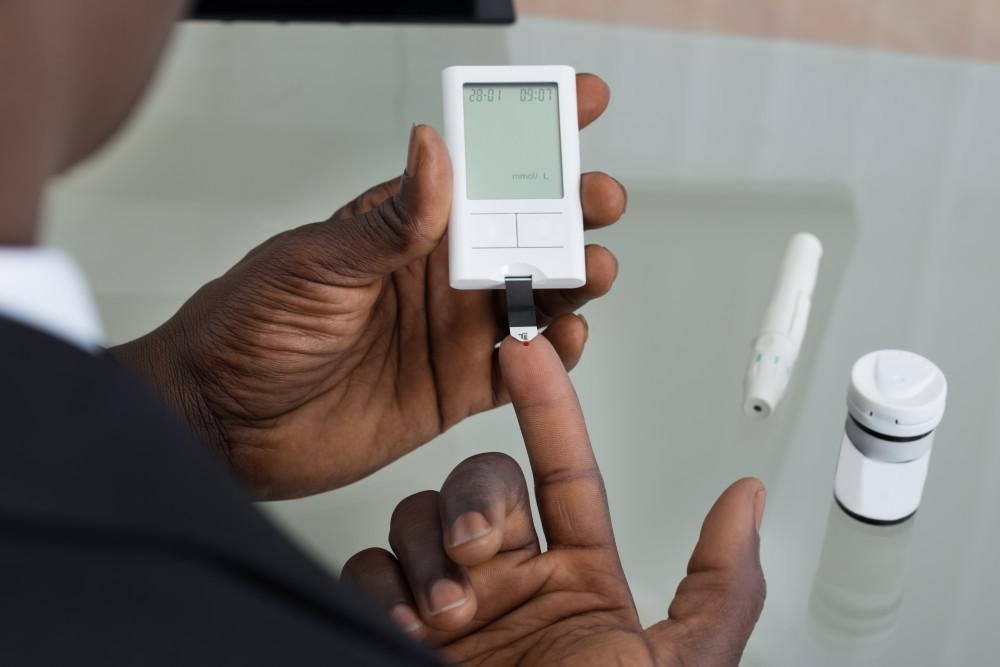
Diabetes is a condition characterized by elevated blood glucose levels, also known as blood sugar. Persistently high blood sugar can affect various parts of the body, including the nervous system. The relationship between diabetes and nerve health is significant, as prolonged exposure to high glucose may damage the delicate nerve fibers that transmit signals between the brain and the rest of the body. This nerve damage, a complication of diabetes, is referred to as diabetic neuropathy.
What Is Diabetic Neuropathy?
Diabetic neuropathy is a type of nerve damage that can occur in individuals with diabetes. High blood glucose may injure nerve fibers throughout the body. The condition develops when elevated glucose levels interfere with the nerves’ ability to transmit signals. High blood sugar can also weaken the walls of the small blood vessels that supply the nerves with oxygen and nutrients, impairing their function.
There are several types of diabetic neuropathy. Peripheral neuropathy is the most common form, affecting the feet and legs first. Symptoms include pain, tingling, burning sensations, numbness, and weakness in the affected extremities. Due to the loss of sensation, individuals may not notice minor injuries to their feet, which may lead to complications such as foot ulcers or infections.
Other forms include proximal neuropathy, which affects nerves in the thighs, hips, or buttocks, often on one side of the body, leading to weakness in the legs. Focal neuropathies involve damage to a single nerve, typically in the hand, head, torso, or leg, and can cause sudden weakness or pain. The sensations and symptoms experienced depend on which nerves are affected and the extent of the damage.
How Is It Diagnosed?
Diagnosing diabetic neuropathy involves a comprehensive evaluation by a qualified physician. The process typically begins with a review of a person’s medical history and a discussion of symptoms. A physical exam is performed to check blood pressure, heart rate, muscle strength, and reflexes. A neurological exam is also conducted to assess the response to various stimuli.
For a more detailed assessment, nerve conduction testing (NCT) and electromyography (EMG) may be recommended. An NCT measures how quickly electrical signals move through a nerve. An EMG records the electrical activity in muscles. These tests can help confirm a diagnosis, determine the severity of nerve damage, and rule out other conditions.
How Is It Treated?
Treatment for diabetic neuropathy is focused on slowing the progression of the condition, relieving symptoms, and restoring function. A primary component of management involves lifestyle guidance centered on maintaining blood glucose levels within a target range. A balanced diet and regular physical activity are often part of a comprehensive management plan.
Physical therapy may be beneficial for improving strength, balance, and mobility. Therapists can also teach exercises to help reduce pain and improve function. For managing neuropathic pain, physicians may discuss certain medications, such as some types of antidepressants or anti-seizure agents, which can help calm overactive nerves.
In some situations, interventional pain procedures could be an option. Treatments like nerve blocks or steroid injections may be used to target specific areas of pain. These procedures aim to reduce inflammation and interrupt pain signals.
Seek Professional Pain Management Services
Navigating the symptoms of diabetic neuropathy and its treatment options can be complex. Engaging with a qualified medical professional, such as a pain management specialist, provides access to a structured and knowledgeable approach. These clinicians are experienced in diagnosing and managing various types of nerve pain. They can develop a personalized plan tailored to your specific symptoms and health status.
Leave a Reply