
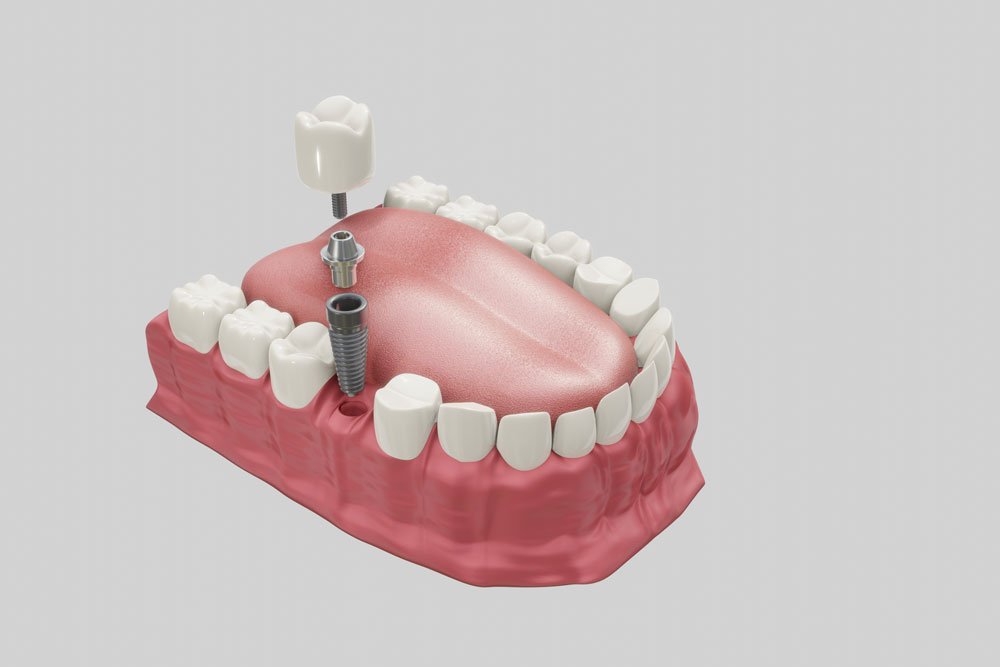
Dental implants offer a durable solution for tooth replacement, integrating with the jawbone to provide a stable foundation for a new tooth. Understanding their potential lifespan and the factors influencing their longevity helps you care for them properly. With proper maintenance, these fixtures can last for many years.
How Long Do Dental Implants Last?
The longevity of dental implants can be quite extensive. The implant itself, which is the titanium post inserted into the jawbone, has the potential to last a lifetime. This part of the implant fuses with the bone in a process called osseointegration, creating a strong and permanent anchor. Many people keep their original implants for decades without any issues.
The crown, which is the visible part of the tooth attached to the implant, typically has a shorter lifespan. Crowns are subject to daily wear and tear from chewing and grinding. On average, a dental crown may last between 10 and 15 years before it might need replacement. The specific duration depends on the material of the crown and your personal habits.
What Affects Implant Longevity?
Several factors contribute to the longevity of your dental implants. Your personal care habits and overall health play a significant role in their durability. Paying attention to these areas can help extend the life of your implants.
Some key factors include:
- Oral hygiene: Regular brushing and flossing are necessary to prevent gum disease around the implant. Plaque buildup can lead to infections that may weaken the bone supporting the implant.
- Overall health: Certain health conditions, such as diabetes or osteoporosis, can impact bone healing and density. These conditions may impact the stability of the implant over time.
- Lifestyle choices: Habits such as smoking can restrict blood flow to the gums, which may slow the healing process and affect the long-term success of the implant.
- Location and stress: The placement of the implant in your mouth matters. Implants that support more chewing pressure, such as those for molars, may experience greater wear.
Maintaining good oral hygiene and making positive lifestyle choices can significantly impact the success and longevity of your dental implants. Regular dental check-ups allow a professional to monitor the health of your implant and the surrounding tissues.
When Should You Replace Implants?
Replacement of the implant post itself is uncommon, but situations arise where it becomes necessary. One reason for replacement is implant failure, where the post does not properly integrate with the jawbone or becomes loose over time. An infection, known as peri-implantitis, can also cause bone loss around the implant, requiring its removal and replacement.
More frequently, it is the crown that needs replacement. You may notice signs such as visible damage, including chips or cracks on the crown. Discomfort when chewing or a feeling that the crown is loose are also indicators that it may be time for a replacement. A dentist can assess the condition of the crown and determine if a replacement is necessary.
Consult a Specialist
If you have questions about the condition of your dental implants, speaking with a dental professional is a useful step. They will provide a thorough examination and offer personalized information tailored to your specific situation. A specialist will evaluate the implant, crown, and surrounding gum tissue to assess their health. They can offer guidance on maintenance and help you understand your options if a replacement is needed.
Leave a Reply