
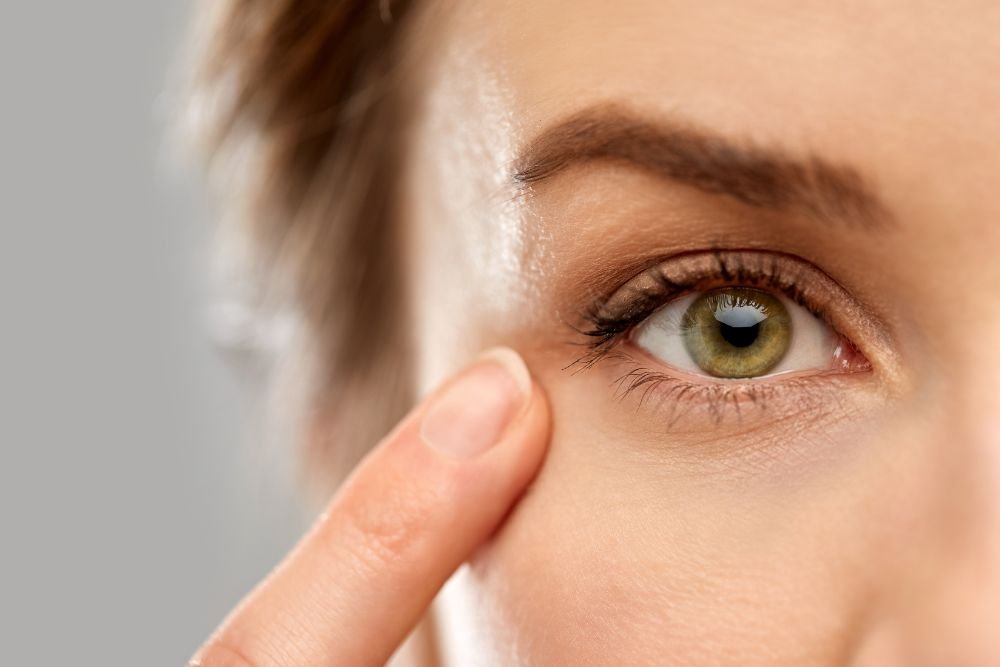
Your retina is a thin layer of tissue at the back of your eye that processes light and sends signals to your brain, allowing you to see. When your eye or face experiences physical trauma, the force can cause this delicate tissue to lift or pull away from its normal position. This serious condition is called retinal detachment. If not treated quickly, a detached retina loses its blood supply and stops working properly, which can lead to permanent vision loss. Understanding this connection is the first step toward protecting your sight.
How Do Injuries Affect The Retina?
Blunt trauma changes the shape of the eye temporarily upon impact. The eye compresses and then expands rapidly during an injury. This rapid deformation puts significant stress on the vitreous gel inside the eye. The vitreous attaches to the retina, and sudden movement can cause it to tug forcefully on the retinal tissue.
If the tugging is strong enough, it tears the retina. Fluid from inside the eye passes through the tear and accumulates underneath. This buildup separates the retina from the back of the eye, much like wallpaper peeling off a damp wall. Once the separation begins, it can progress quickly across the rest of the eye.
Penetrating injuries cause direct damage to the retinal structure. An object entering the eye disrupts the tissue immediately and introduces the risk of infection or scarring. Scar tissue contracts as it heals, which pulls on the retina and leads to tractional retinal detachment. Swelling and bleeding inside the eye further complicate the healing process and obscure the damage.
What Symptoms Indicate Retinal Detachment?
Recognizing changes in your vision early allows for faster intervention. Symptoms often appear suddenly after an injury, but they can also develop days or weeks later. You might notice visual disturbances that seem out of the ordinary. Pay attention to any new patterns or obstructions in your field of view.
Watch for these specific warning signs:
- Sudden appearance of floaters
- Flashes of light in one or both eyes
- A shadow or curtain over part of your vision
- Blurred vision
- Reduced side (peripheral) vision
Do not ignore these signs if you recently suffered a blow to the head or eye. While floaters are common as people age, a sudden increase signals trouble. The shadow effect often starts in the periphery and moves toward the center. Seeking an examination helps determine if these symptoms point to a tear or a full detachment.
What Treatments Are Available?
Doctors repair retinal tears and detachments through surgical procedures. The goal is to reattach the retina and seal any holes to prevent fluid from entering. Your specialist will select a method based on the severity of the injury and the location of the detachment. Common procedures include:
- Laser surgery (photocoagulation): Surgeons use a laser beam to create burns around the retinal tear, creating scarring that welds the retina to the underlying tissue.
- Freezing (cryopexy): A doctor applies a freezing probe to the outer wall of the eye over the tear, securing the retina with resulting scar tissue.
- Pneumatic retinopexy: The specialist injects a gas bubble into the eye to push the retina back against the wall, allowing it to reattach.
- Scleral buckle: A surgeon places a flexible band around the eye to counteract the force pulling the retina out of place.
- Vitrectomy: Doctors remove the vitreous gel, pulling on the retina, and replace it with a gas, oil, or fluid bubble.
Recovery varies depending on the specific procedure and the extent of the damage. You might need to keep your head in a specific position for several days if a gas bubble is used. This positioning keeps the bubble in the right place to support the healing retina. Follow-up appointments monitor the eye’s pressure and the retina’s stability.
Consult a Specialist
Protect your vision by seeking professional guidance immediately after any eye trauma. An eye care specialist can examine the back of your eye to detect subtle damage you cannot see. Early detection of a tear often allows for simpler treatments that preserve sight effectively. Schedule a comprehensive eye exam if you experience any symptoms or have sustained a recent injury. Prompt action gives you the best chance for a full recovery and continued clear vision.
Leave a Reply