
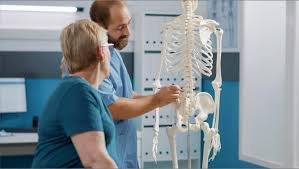
Back and neck pain are common conditions that affect a significant number of adults, resulting in discomfort and limitations on daily activities. Most instances of spinal pain resolve with non-surgical management. When these conservative treatments do not provide sufficient relief, a physician may introduce the topic of orthopedic surgery. The decision to proceed with a surgical procedure involves a thorough evaluation of an individual’s specific condition and potential outcomes.
What Surgeries Treat Back and Neck Pain?
Orthopedic surgeons perform several types of procedures to address specific causes of back and neck pain. A discectomy is a procedure performed to remove a portion of a herniated disc that is pressing on a nerve root or the spinal cord. This pressure can cause pain, weakness, or numbness that radiates into the arms or legs. A laminectomy or laminotomy involves removing a small part of the vertebral bone to create more space in the spinal canal.
For conditions that cause spinal instability, spinal fusion may be explored. This surgical procedure permanently connects two or more vertebrae, eliminating motion between them. The goal is to stabilize the spinal segment and reduce pain associated with abnormal movement. Minimally invasive techniques are also available for certain spinal conditions. These approaches use smaller incisions and specialized instruments. They are designed to reduce disruption to surrounding muscles and tissues during surgery.
What Are the Benefits?
The primary objective of orthopedic back surgery is to correct an anatomical problem and, in doing so, alleviate associated symptoms. One of the most frequently discussed benefits is the relief of nerve compression. When a herniated disc or bone spur is removed, the pressure on the affected nerve is released, which can lead to a reduction in radiating pain, numbness, and weakness.
For individuals with spinal instability, procedures like spinal fusion can restore alignment and provide structural support to the spine. This stabilization may reduce pain caused by excessive motion between the vertebrae. In select cases, restoring the natural curvature of the spine can also improve overall posture and function.
The advancement of minimally invasive surgery offers its own set of potential benefits. Because these techniques involve smaller incisions and less muscle disruption, they are often associated with a shorter recovery period, less postoperative pain, and a quicker return to normal activities for suitable candidates.
What Are the Risks?
All surgical procedures carry a set of general risks. These include the possibility of infection, bleeding during or after the operation, and adverse reactions to anesthesia. Spine surgery also has specific risks related to the delicate structures of the spinal column. There is a potential for injury to the nerves or spinal cord during the procedure, which could result in new or worsened neurological symptoms.
Patients may sometimes experience persistent pain after surgery. Outcomes of spine surgery vary, and research literature reports a range of success rates. To support patient safety, surgeons employ a range of strategies designed to minimize these risks. Careful preoperative planning, including a thorough evaluation of imaging studies and the patient’s health, helps identify potential challenges before entering the operating room.
Consult an Orthopedic Surgeon
Determining whether surgery is an appropriate option is a complex process that requires expert medical guidance. A consultation with a qualified orthopedic surgeon is the definitive step to understanding your specific condition. During the appointment, you can ask questions about the recommended procedure, the reasons for its selection, and what the recovery process typically entails.
Leave a Reply