
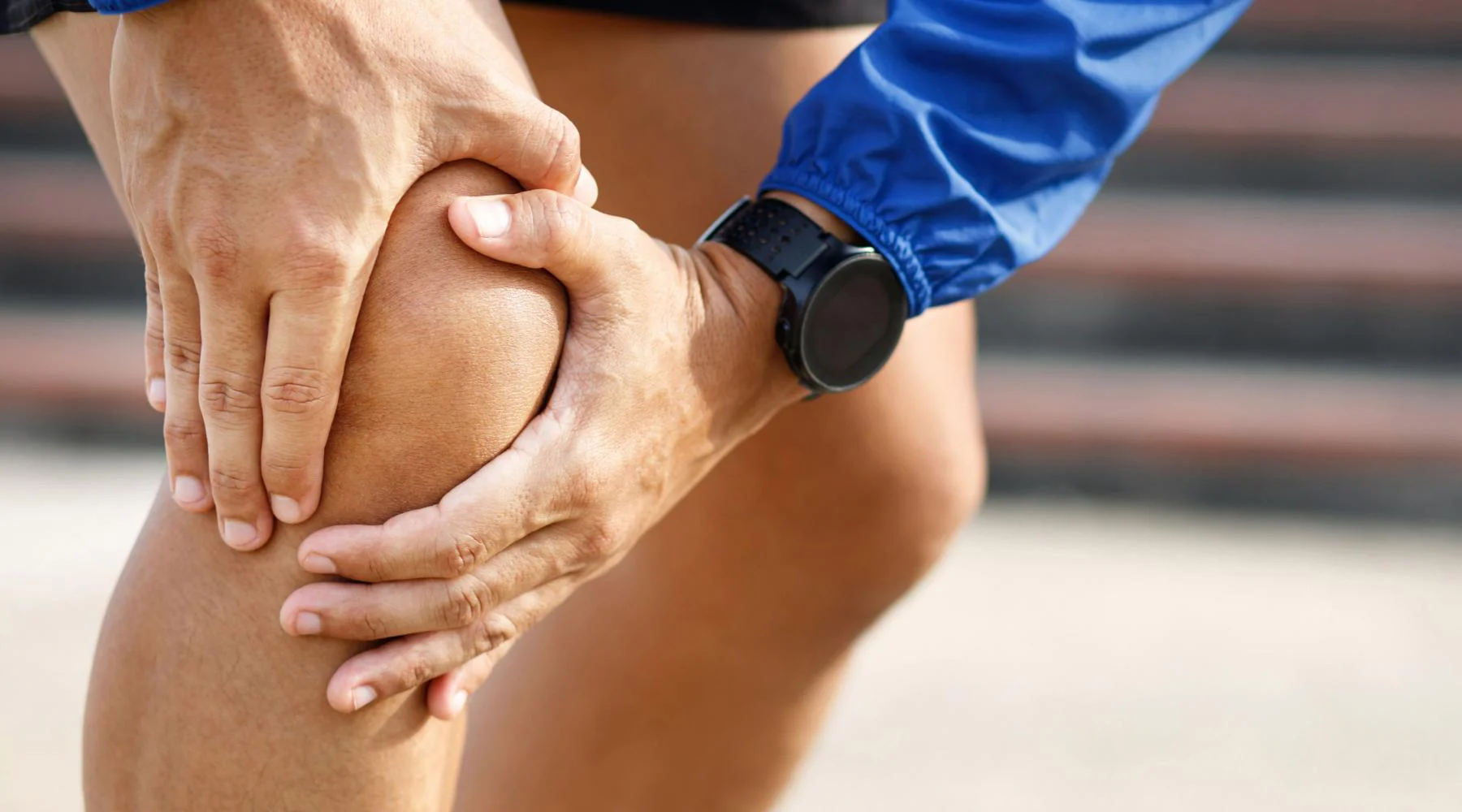
Chronic pain originating from joint issues can significantly impact daily life, and managing it effectively often requires a combination of approaches, including sports medicine. This discomfort can stem from various conditions that affect the cartilage, bone, and surrounding tissues of a joint. Sports medicine techniques, such as targeted exercises, physical therapy, and injury prevention strategies, play a role in developing a consistent management plan to improve comfort and function.
Strengthen Muscles Around Joints
Strengthening the muscles around your joints is a key principle in sports medicine for managing pain and preventing injuries. Strong muscles provide support to your joints, reduce stress, and act as shock absorbers to maintain alignment during movement. Here’s how to strengthen safely:
- Focus on the Right Muscles: Work with a professional to create a plan targeting specific muscles. Such as, strengthening your quadriceps can help alleviate knee pain, and exercises for the rotator cuff can ease shoulder pain.
- Start Slow: Begin with light exercises and gradually increase intensity as you get stronger to avoid injury.
- Be Consistent: Stick to a regular exercise routine to build and maintain muscle support, leading to less pain and better joint function over time.
Use Heat and Cold Therapy
Applying heat and cold can be a simple yet effective way to manage joint pain and stiffness. Cold therapy, often involving the use of ice packs, is effective in reducing inflammation and numbing acute pain. This approach is particularly beneficial after physical activity or during a painful flare-up.
Heat therapy, conversely, helps increase blood flow, relax tight muscles, and soothe aching joints. This makes it a beneficial choice before activities to improve flexibility. Patients can alternate between these two methods, selecting the one that provides the most relief for their specific symptoms at any given time.
Maintain a Healthy Weight
Achieving and maintaining a healthy weight is beneficial for managing chronic joint pain, particularly in weight-bearing joints such as the hips, knees, and ankles. Excess body weight adds significant stress to these joints, which can accelerate wear and increase pain. As a core principle in sports medicine, managing body weight is key to preventing and treating joint injuries. Losing even a small amount of weight can significantly reduce the pressure on your knees during daily activities.
Practice Gentle Daily Movement
Incorporating gentle, low-impact movement into your daily routine is beneficial for maintaining joint mobility and reducing stiffness. Regular movement can lubricate the joints, strengthen surrounding tissues, and help manage pain levels without causing further irritation.
- Choose low-impact activities: Swimming, cycling, or walking are excellent choices that do not place excessive strain on the joints.
- Maintain regular movement: Even on days with more pronounced discomfort, performing simple range-of-motion exercises can prevent stiffness.
Partner with Sports Medicine Experts
Managing chronic joint pain requires ongoing effort and a commitment to self-care. Incorporating sports medicine techniques, such as targeted strengthening exercises, therapeutic treatments, weight management, and gentle movement, can improve pain management and mobility. Individual results may vary, so if joint pain persists, consult a healthcare professional. They can incorporate sports medicine approaches into a personalized care plan tailored to your specific needs.
Leave a Reply