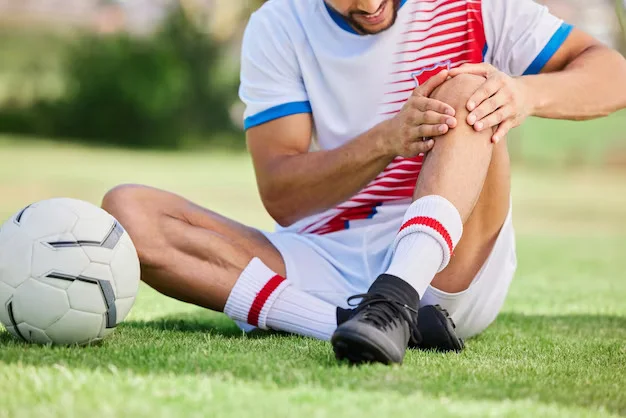
Sports medicine focuses on diagnosing, treating, and preventing injuries that affect athletic performance and daily movement. Rehabilitation is a key part of this care, helping individuals restore strength, mobility, and stability while reducing the risk of re-injury. Here is an overview of common sports medicine rehabilitation techniques used for common sports injuries:
Calming Pain Early
The first phase of rehabilitation begins immediately after an injury. The primary goal during this time is to protect the injured area from further damage and manage pain and swelling. If an athlete tries to do too much too soon, they risk making the injury worse and delaying their return to play.
Rest is a helpful component of this early stage because it gives the body time to start its natural healing processes without the stress of movement or impact. Sports medicine doctors often recommend the R.I.C.E. method, which stands for rest, ice, compression, and elevation. This technique helps control inflammation and reduces pain in the first few days following an injury. For severe cases, doctors may use braces, crutches, or casts to immobilize the area and make sure it remains protected while it heals.
Restoring Strength Safely
Once the initial pain and swelling subside, the focus of sports medicine shifts to restoring movement and building strength. The following describes common techniques used to safely restore mobility and strength:
- Range of Motion Exercises: Therapists start with passive exercises, where they move the joint for the patient, and progress to active exercises where the patient moves the joint themselves.
- Isometric Exercises: These involve contracting a muscle without moving the joint, helping maintain muscle activation without stressing the healing tissues.
- Isotonic Exercises: As healing progresses, patients perform exercises that involve moving a weight through a range of motion.
- Stretching Routines: Targeted stretching helps lengthen tight muscles and improve flexibility.
- Manual Therapy: Physical therapists use their hands to mobilize joints and massage soft tissues.
These techniques are introduced gradually to make sure the body can handle the increased workload without a negative reaction.
Rebuilding Sport Skills
This phase of sports medicine rehabilitation focuses on neuromuscular control, the connection between the brain and the muscles. Proprioception exercises are a key part of this stage. Proprioception is the body’s ability to sense its position in space. Common exercises include standing on one leg, using balance boards, or catching a ball while balancing on an unstable surface. These activities challenge the nervous system and help the athlete respond quickly to environmental changes. Improving balance reduces the risk of rolling an ankle or twisting a knee when athletes return to their sport.
Returning To Play
The final stage of rehabilitation determines if an athlete is ready to compete again. This is not a guess; it is a calculated decision based on objective testing and physical performance. The following are the steps and concerns for clearing an athlete for full participation:
- Functional Testing: Medical professionals use specific tests to measure agility, power, and endurance.
- Graduated Return: Athletes start with non-contact practice, move to contact drills, and finally participate in full competition.
- Correcting Biomechanics: Specialists analyze how the athlete moves to identify bad habits that contributed to the original injury.
- Ongoing Conditioning: Rehabilitation does not end the day an athlete plays a game; maintenance exercises keep the repaired tissue strong and resilient.
- Education: Athletes learn how to listen to their bodies and recognize the difference between training soreness and injury pain.
Following a strict return-to-play protocol helps make sure that the athlete is physically and mentally prepared for the challenges of their sport.
Book Your Sports Medicine Appointment
Recovering from a sports injury requires dedication and expert guidance. Following a structured rehabilitation program helps athletes heal properly and reduces the risk of injury. Contact a qualified sports medicine specialist near you to book your appointment today.
Leave a Reply