
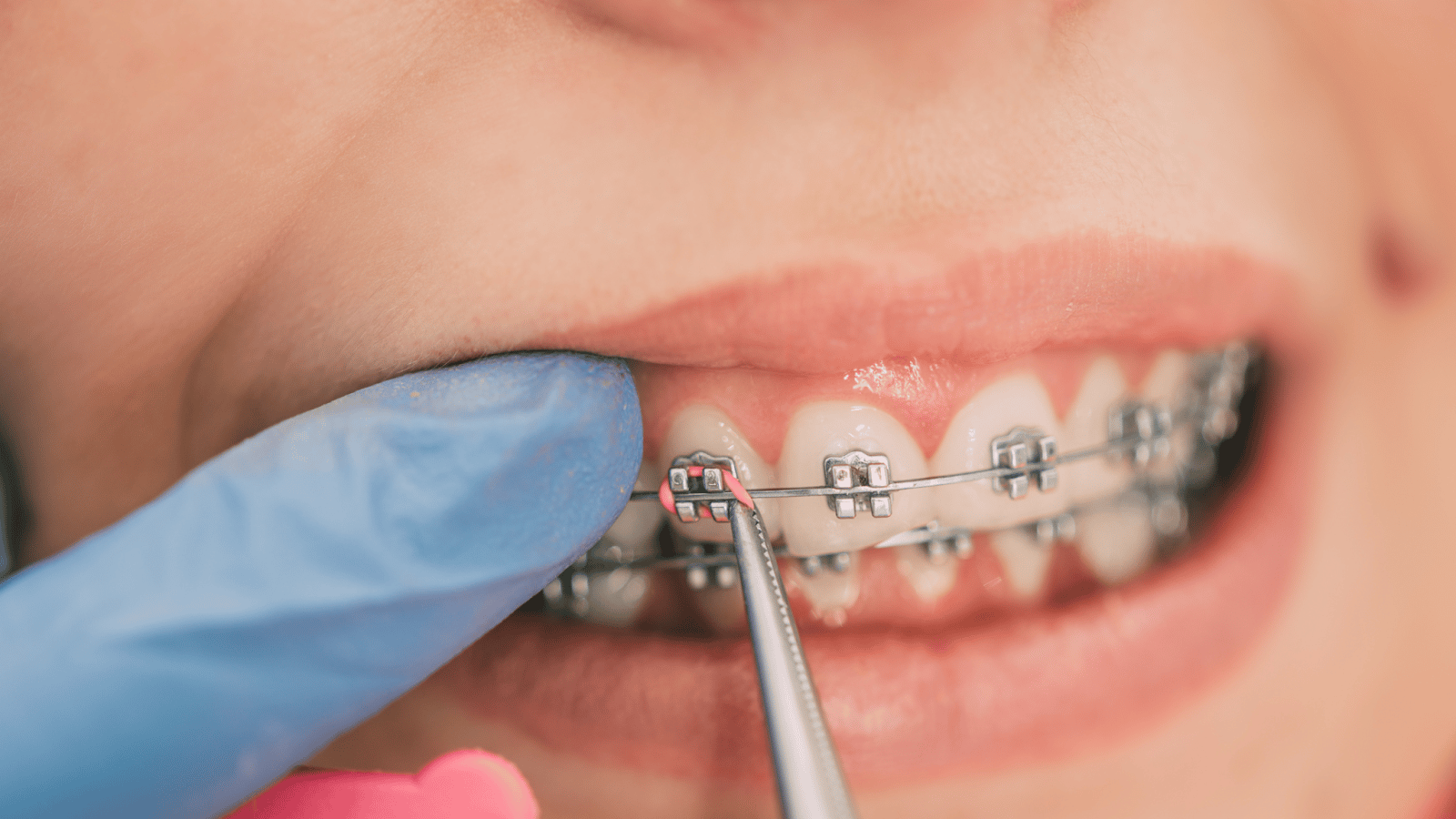
Early evaluation in children’s orthodontics is fundamental for identifying concerns that may affect a child’s bite or overall oral development. Many orthodontic issues begin subtly; recognizing the signs early allows for timely intervention that can guide proper growth and prevent complex problems. Here is more information on the key signs that indicate your child requires orthodontic treatment:
Identify Early Signs
Parents often notice visible signs that prompt them to contemplate children’s orthodontics. Here are some common visual cues:
- Crowded or Crooked Teeth: This is one of the apparent signs, where teeth overlap or are misaligned.
- Noticeable Gaps: Large spaces between teeth indicate the need for orthodontic intervention.
- Teeth That Don’t Meet: When a child closes their mouth, all teeth should meet properly.
- Irregular Tooth Loss: Losing baby teeth too early or too late affects the alignment of permanent teeth.
Observing these signs should prompt a consultation with an orthodontist, as early intervention can prevent complex issues.
Assess Bite Alignment
Beyond the alignment of individual teeth, the way a child’s jaw and bite develop is also a key factor. Problems with jaw alignment or bite function can affect chewing, speaking, and even breathing. A misaligned bite also causes uneven tooth wear, making it fundamental to address these concerns early. Other issues include overbites, where the upper teeth excessively cover the lower teeth, and crossbites, where the upper teeth sit inside the lower teeth. These conditions often require children’s orthodontics to correct.
Watch for Behavior Shifts
Sometimes, a child’s behavior may indicate underlying orthodontic problems. These clues may not seem directly related to dental health, but they can be significant. Here are some behavioral indicators to watch for:
- Difficulty Chewing or Biting: If a child consistently has trouble with meals, it may point to a bite problem.
- Mouth Breathing: Chronic mouth breathing can be related to jaw structure and affect facial development.
- Thumb Sucking After Age Five: Prolonged thumb sucking pushes teeth out of alignment.
- Speech Difficulties: Certain speech impediments, like a lisp, can be linked to tooth and jaw alignment.
These behaviors can be subtle, but they are often related to orthodontic needs that should be evaluated.
Choose Early Children’s Orthodontics
Early orthodontic intervention in children can significantly influence their long-term oral health and development. Addressing issues early enables orthodontists to guide jaw and tooth development, preventing severe problems. Early treatment can also correct overcrowding, align bite discrepancies, and manage spacing issues before they worsen.
Early orthodontics can positively impact a child’s confidence and overall well-being. Addressing visible dental issues improves self-esteem during key developmental years. It also fosters better oral hygiene habits, as aligned teeth are easier to clean and maintain.
Book Your Children’s Orthodontic Appointment
Recognizing the signs that your child may need orthodontic treatment is the first step toward supporting their long-term dental health. From visible alignment issues to subtle behavioral clues, these indicators provide guidance on when to seek a professional opinion. If you have noticed any of these signs in your child, contact an orthodontics specialist near you to book your appointment today.
Leave a Reply