
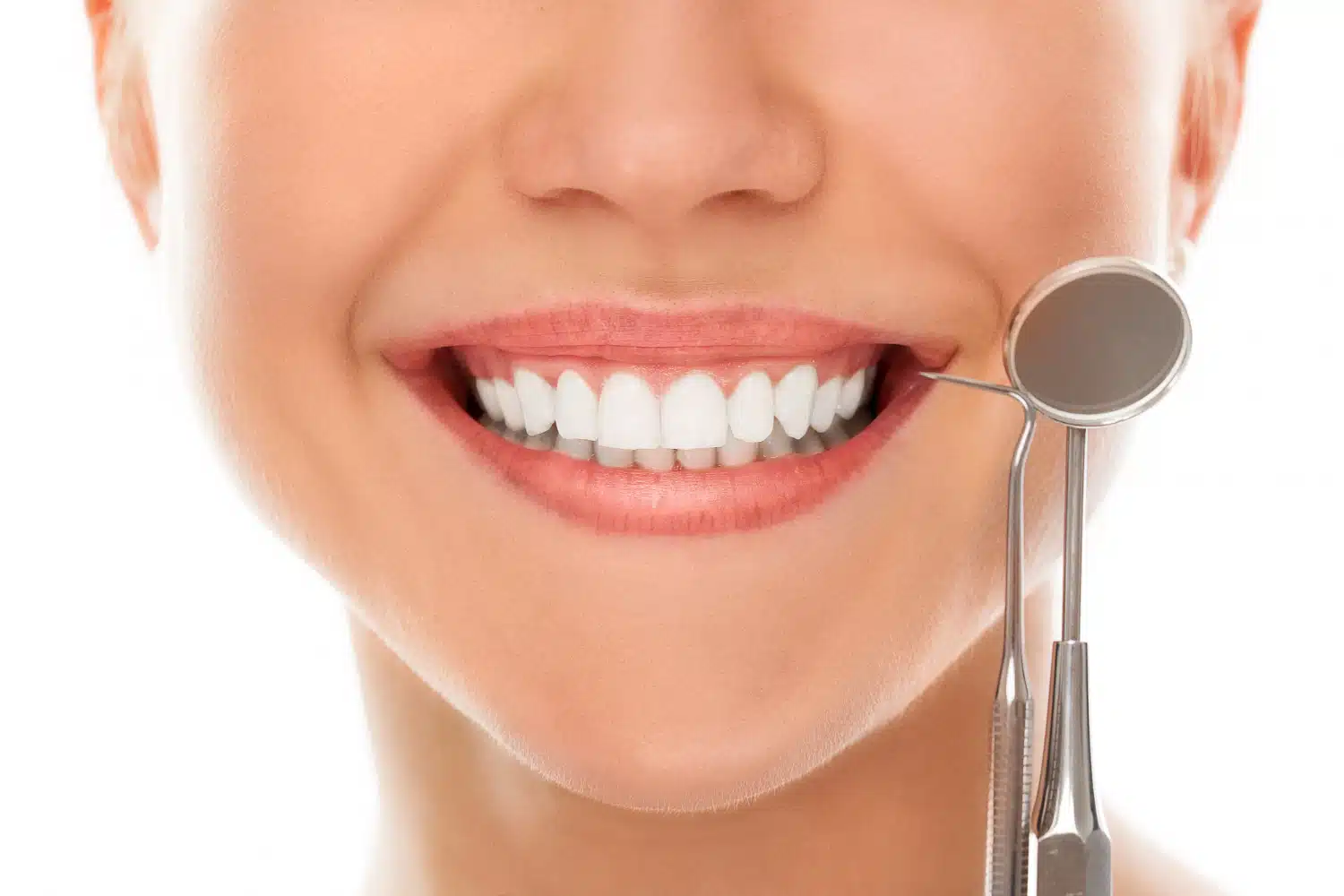
Teeth whitening produces noticeable color changes by targeting surface stains and internal stains within the enamel. During this process, bleaching agents reach the deeper enamel layers, which leaves the tooth surface temporarily more permeable. This temporary shift makes the enamel more responsive to external pigments and temperature changes. Post-whitening care protects the newly whitened teeth while the enamel stabilizes. Here is more information on teeth whitening, how to manage the after-care, and how to maintain results:
Managing Early Sensitivity
If you experience tooth sensitivity after teeth whitening, using a toothpaste for sensitive teethmay help interrupt nerve signals during the early recovery period. Brushing gently with a soft-bristled toothbrush and lukewarm water may also help avoid twinges of sensitivity while performing daily hygeine.
Limiting temperature extremes can help teeth feel more comfortable while the tooth surface rehydrates. Cold beverages may trigger quick, sharp sensations on recently whitened teeth, especially when the enamel remains slightly dehydrated. Choosing beverages closer to room temperature can minimize these triggers while maintaining your overall hydration. Sensitivity usually decreases as the enamel rebalances, and most individuals return to their normal routines within a few days.
Avoiding Stain Exposure
Enamel absorbs pigments more easily during the first two days after whitening because the surface pores remain slightly more open. Dark-colored foods such as berries or tomato-based dishes may leave visible stains if introduced too soon.
The tar in tobacco can stain teeth, so avoiding smoking during the first two days reduces the potential for fresh discoloration. Using a straw for necessary beverages directs liquids past the front teeth and may reduce exposure to chromogens. These steps help maintain a more uniform color as the enamel continues to stabilize.
Supporting Shade Longevity
Routine oral hygiene helps maintain the shade achieved through teeth whitening. Brushing twice daily with a fluoride toothpaste reduces plaque buildup that may otherwise trap surface stains. Flossing removes debris between teeth where discoloration commonly accumulates, especially in narrow contact areas. Scheduling regular dental cleanings removes hardened deposits that do not lift with brushing alone, and professional polishing clears external stains created by dietary pigments and environmental factors.
Whitening touch-ups vary based on habits such as coffee consumption or tobacco exposure, and many people complete small at-home sessions every few months. Following provider recommendations helps maintain an even shade without overusing whitening agents.
Learn More About Teeth Whitening
For more information about how to care for your teeth after a whitening treatment, contact your dental provider. Post-whitening care strengthens the longevity of shade improvements by managing sensitivity, limiting pigment exposure, and supporting healthy enamel. Enamel stability increases in the days following treatment, making early-care steps valuable for maintaining consistent results. Regular hygiene routines protect against new staining and support a brighter appearance over time.
Touch-up frequency depends on individual stain patterns, enamel characteristics, and lifestyle factors related to pigment intake. Dental cleanings and periodic whitening maintenance help preserve the shade achieved during professional treatment. Consistent oral care practices can reduce future discoloration and support long-term color stability.
Leave a Reply