
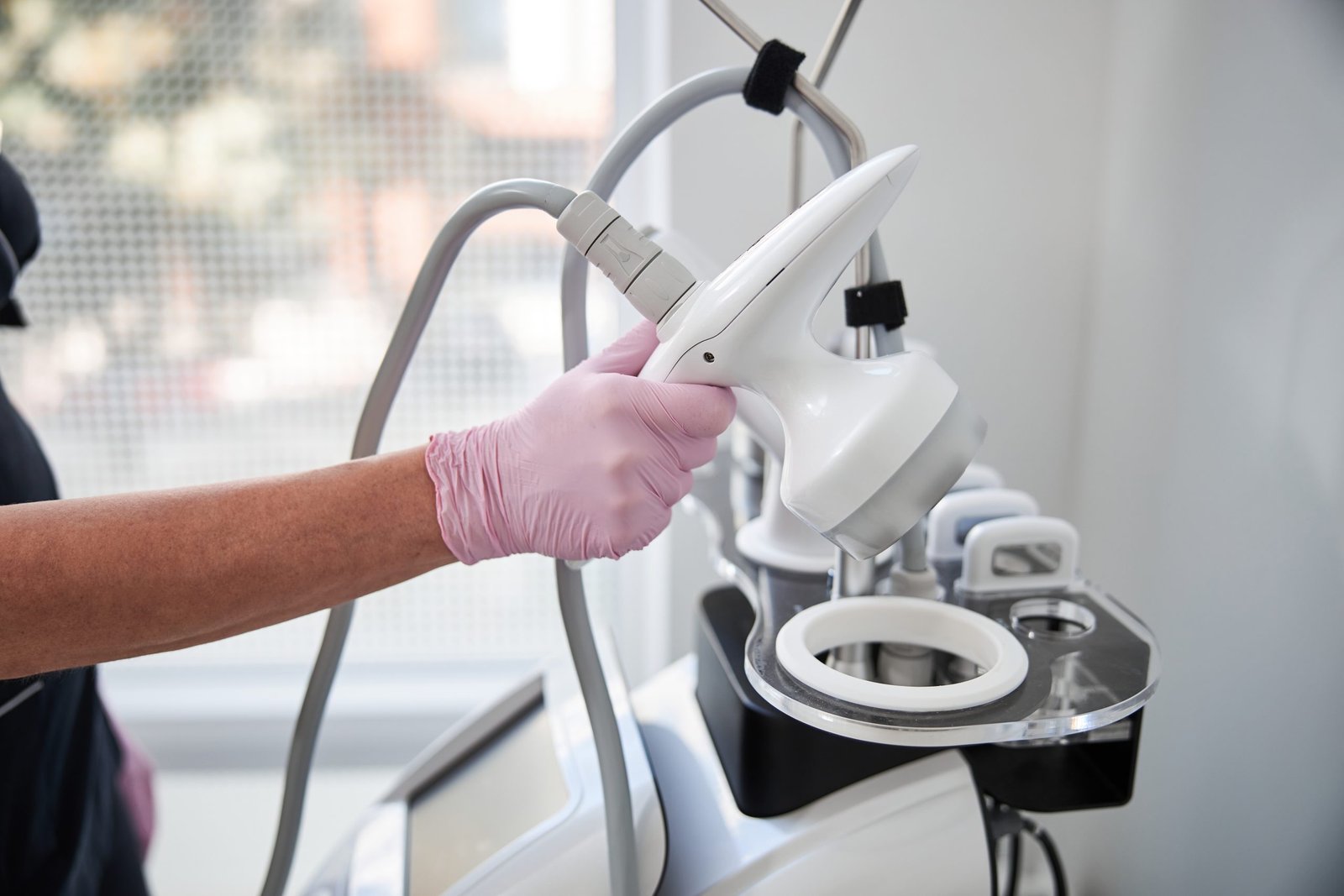
Dermatology is the branch of medicine focused on the health of the skin, hair, and nails. This field diagnoses and treats a range of conditions, from common concerns like acne and eczema to complex diseases affecting deeper skin layers. Dermatologists use various methods and tools to address both medical and cosmetic needs. Here are some new advancements in dermatology:
Platelet-Rich Fibrin Matrix
Platelet-rich fibrin (PRF) matrix is a procedure in dermatology that draws on the body’s own resources. A small blood sample is taken from the patient and spun in a centrifuge, but at a lower speed than the process used for Platelet-rich plasma (PRP). The slower spin preserves more white blood cells and stem cells within the platelet-rich layer, allowing them to remain with the platelets and fibrin. This mixture forms a soft fibrin matrix, which acts as a natural scaffold for growth factors to be held in place for a longer period. Rather than dispersing quickly, the growth factors are slowly released into the targeted area. PRF matrix is being explored for a range of medical and cosmetic uses, including skin rejuvenation and hair restoration. Because the method relies on material drawn from the patient, it typically has a lower risk of allergic reactions.
Radiofrequency Microneedling
Radiofrequency (RF) microneedling blends traditional microneedling with advanced radiofrequency technology. Very fine needles are used to create controlled micro-injuries in the skin’s surface, stimulating the body’s natural healing response. Radiofrequency energy is delivered through the same needles into the deeper layers of the skin. This heats the underlying tissue, which encourages the production of collagen and elastin. The energy settings and needle depth are adjustable, allowing treatment to be customized for each person’s goals and skin characteristics. This technique can be used for a variety of concerns, including:
- Uneven skin texture
- Fine lines
- Acne scars
- Large pores
Exosome Treatments
Exosomes are small, cell-derived particles that serve as communication messengers between cells. They carry proteins, lipids, and genetic information to their target cells, influencing the function and behavior of those cells. In dermatology, exosomes often originate from stem cells, which are selected for their qualities and compatibility. When applied to the skin, exosomes primarily interact with skin repair cells like fibroblasts; they send signals that prompt cellular responses that may support cell renewal, repair, and rejuvenation.
Exosomes can also be used for hair restoration due to their ability to promote scalp health and stimulate hair growth. They deliver growth factors, cytokines, and other bioactive molecules directly to hair follicles, encouraging hair follicle activity. Exosomes may help awaken dormant hair follicles, reduce inflammation, and increase blood circulation to the scalp.
Visit a Dermatology Clinic
Dermatology continues to advance, and new options, such as PRF matrix, RF microneedling, and exosome treatments, offer additional tools and methods that can be tailored to individual concerns and care plans. A dermatologist will evaluate your skin and discuss your primary concerns to help build a targeted care plan. Plans often account for lifestyle, environmental factors, and personal medical history; this enables a dermatologist to meet your specific needs. Contact a dermatology clinic today to schedule a consultation.
Leave a Reply