
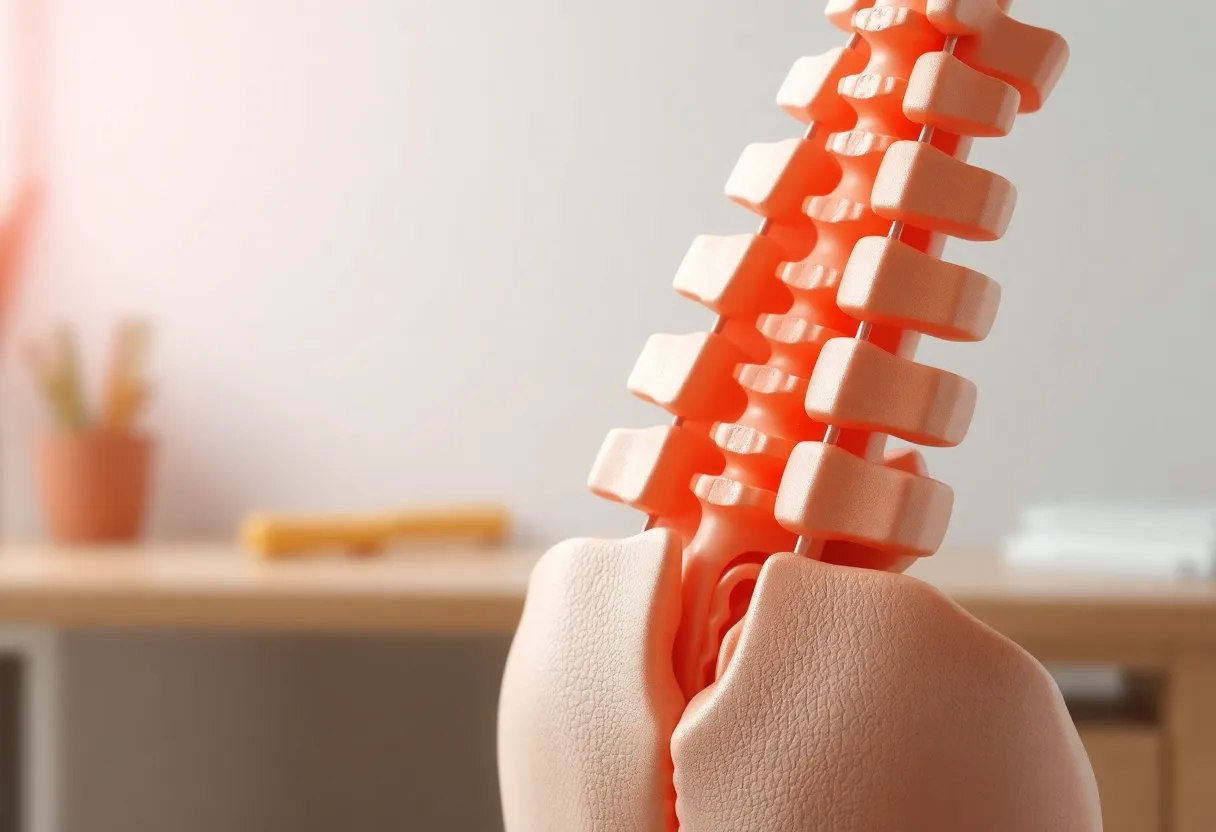
A spinal injury diagnosis can raise significant questions about treatment, recovery, and long-term mobility. A herniated disc occurs when the soft inner material of a spinal disc pushes through its outer layer, often leading to pain, weakness, or nerve-related symptoms. Here’s more information on the recovery process after a herniated disc diagnosis:
Healing After Injury
The initial phase of recovery after a herniated disc focuses primarily on reducing inflammation and managing acute symptoms. During this period, the body mounts an inflammatory response to repair the damaged spinal disc; although this is part of the healing process, it often leads to pain and nerve irritation. Patients generally experience the most intense symptoms during these first few days or weeks.
Modifying daily activities is a fundamental part of this early stage. Movements that increase spinal pressure, such as heavy lifting or deep bending, should be avoided to prevent further injury. Prolonged inactivity leads to muscle stiffness and weakness, thereby complicating recovery. Light movement, such as short walks, helps maintain blood circulation and keeps the joints flexible without straining the back.
Managing Pain Safely
Managing the discomfort from a herniated disc effectively allows for a return to normal function and prevents the condition from becoming chronic. Here are some methods professionals use to reduce irritation in the affected area:
- Medication Management: Over-the-counter nonsteroidal anti-inflammatory drugs (NSAIDs) help reduce pain and inflammation.
- Thermal Therapy: Applying ice packs reduces swelling around the ruptured disc, whereas heat therapy relaxes tight muscles and increases blood flow to the area.
- Proper Body Mechanics: Patients should maintain proper posture when sitting and make sure they have adequate lumbar support.
- Epidural Steroid Injections: This treatment often provides temporary pain relief, allowing patients to participate in physical therapy.
- Avoiding Specific Movements: Physicians often prescribe the “BLT” restriction, which stands for no bending, lifting, or twisting.
These methods provide a basis for healing.
Rebuilding Strength and Mobility
Once the acute pain of a herniated disc subsides, the focus shifts toward restoring function and preventing future injuries. Here are ways to rebuild strength and mobility:
- Physical Therapy: A physical therapist designs a specific exercise program tailored to the patient’s condition and capabilities.
- Core Stabilization: Strengthening the abdominal and oblique muscles is a key component of long-term recovery.
- Low-Impact Aerobic Exercise: Walking, swimming, and stationary cycling are excellent options because they improve cardiovascular health without jarring the spine.
- Flexibility Training: Gentle stretching routines help elongate tight muscles and relieve tension on the lumbar spine.
- Postural Training: This involves training the body to hold proper alignment while standing, sitting, and moving.
Consistency with these exercises is the primary factor in achieving a full recovery and returning to an active lifestyle.
Adjusting Recovery Plans
Specific signs indicate that the current treatment plan requires adjustment or that the condition is worsening. If pain persists after several weeks of conservative treatment, it is helpful to consult with a specialist. A doctor can re-evaluate the diagnosis and contemplate alternative therapies. Worsening neurological symptoms suggest that the nerve compression is not resolving. If numbness or weakness in the limbs increases, it indicates the nerve remains under pressure, and if pain spreads from one spot to a wider area, a medical evaluation is needed.
Schedule Your Herniated Disc Appointment
Recovering from a herniated disc requires a commitment to following a structured treatment plan. Managing pain early and progressive strength training help patients regain their well-being. Professional guidance makes sure that the recovery process remains safe and effective. Contact a pain management specialist near you today to schedule your appointment.
Leave a Reply