
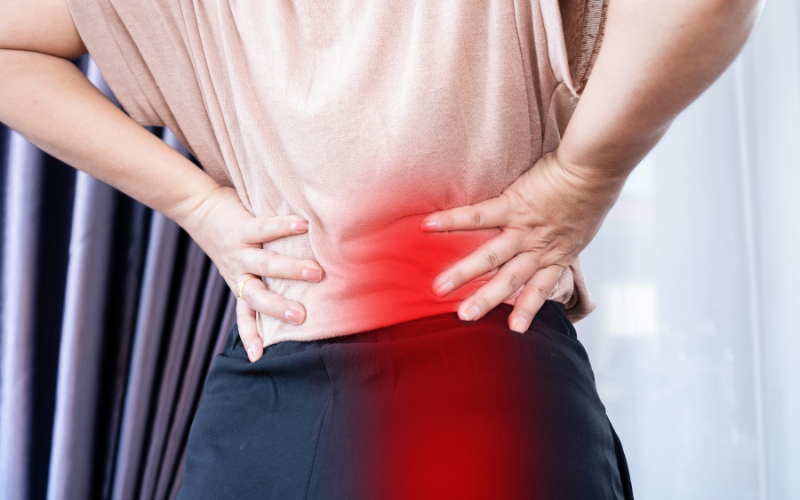
Sciatica manifests as pain radiating along the sciatic nerve, which runs from the lower back through the hips and buttocks and down each leg. Understanding the nature of this pain is the first step toward effective management and relief for those suffering from it. Here is more information on sciatica and how you can navigate it:
What Is Sciatica?
Sciatica refers to pain that radiates along the path of the sciatic nerve. This condition typically affects only one side of your body, the side on which the affected nerve is. It is not a medical diagnosis in itself but rather a symptom of an underlying medical condition.
What Causes It?
Sciatica usually occurs when a herniated disk, a bone spur on the spine, or a narrowing of the spine (spinal stenosis) compresses part of the nerve. This causes inflammation, pain, and often some numbness in the affected leg. Several other conditions can also lead to sciatic nerve pain.
Degenerative disk disease involves the breakdown of disks, which act as cushions between the vertebrae. Spondylolisthesis describes a condition in which one vertebra slips forward over another, and this pinches the nerve root. These structural changes may develop gradually with age or result from repetitive stress on the spine.
What Are the Symptoms?
The primary symptom of sciatica is pain that radiates from your lower (lumbar) spine to your buttock and down the back of your leg. You may feel discomfort almost anywhere along the nerve pathway, but it is especially likely to follow a path from your lower back to your buttocks and the back of your thigh and calf. Some people also have numbness, tingling, or muscle weakness in the affected leg or foot. Monitoring symptoms closely helps healthcare providers assess severity.
How Is Daily Life Affected?
Sciatica can significantly impact daily activities, and it makes routine tasks difficult or painful. Simple actions like walking, sitting for extended periods, or bending over to tie a shoe can trigger intense pain. This limitation often leads to reduced physical activity and overall mobility.
Work productivity may suffer, particularly for those with jobs requiring physical labor or prolonged sitting. Adjustments to workstations or frequent breaks may be necessary to manage symptoms. Over time, chronic pain has the potential to lead to social withdrawal and a reduced quality of life, but consulting a professional provides guidance.
How Is Professional Guidance Beneficial?
Professional guidance provides access to a range of therapeutic interventions not available through self-care. These clinical options are designed to reduce pain, enhance mobility, and address the specific cause of nerve compression. Physical therapy utilizes targeted exercises to correct posture and strengthen muscle support, while medication management involves prescription drugs to control inflammation.
Other interventions include acupuncture to relieve pain through needle insertion, chiropractic adjustments for spinal alignment, and corticosteroid injections to deliver anti-inflammatory medication directly to the nerve root. In more severe cases, biofeedback or surgical procedures to remove bone spurs or herniated disk material may be required.
Consulting with medical specialists enables monitoring and adjustment of these treatments based on the patient’s progress. Healthcare providers offer a structured approach to recovery, providing education on lifestyle modifications to prevent symptom recurrence. This clinical oversight is integral for maintaining safety and effectiveness throughout the rehabilitation process.
Consult a Specialist Today
Persistent pain warrants a consultation with a healthcare professional who specializes in spinal health, and early intervention can prevent chronic issues and help restore normal function. A specialist will guide you through the diagnostic process and recommend appropriate therapies tailored to your specific condition. Schedule an appointment to discuss your symptoms today.
Leave a Reply