
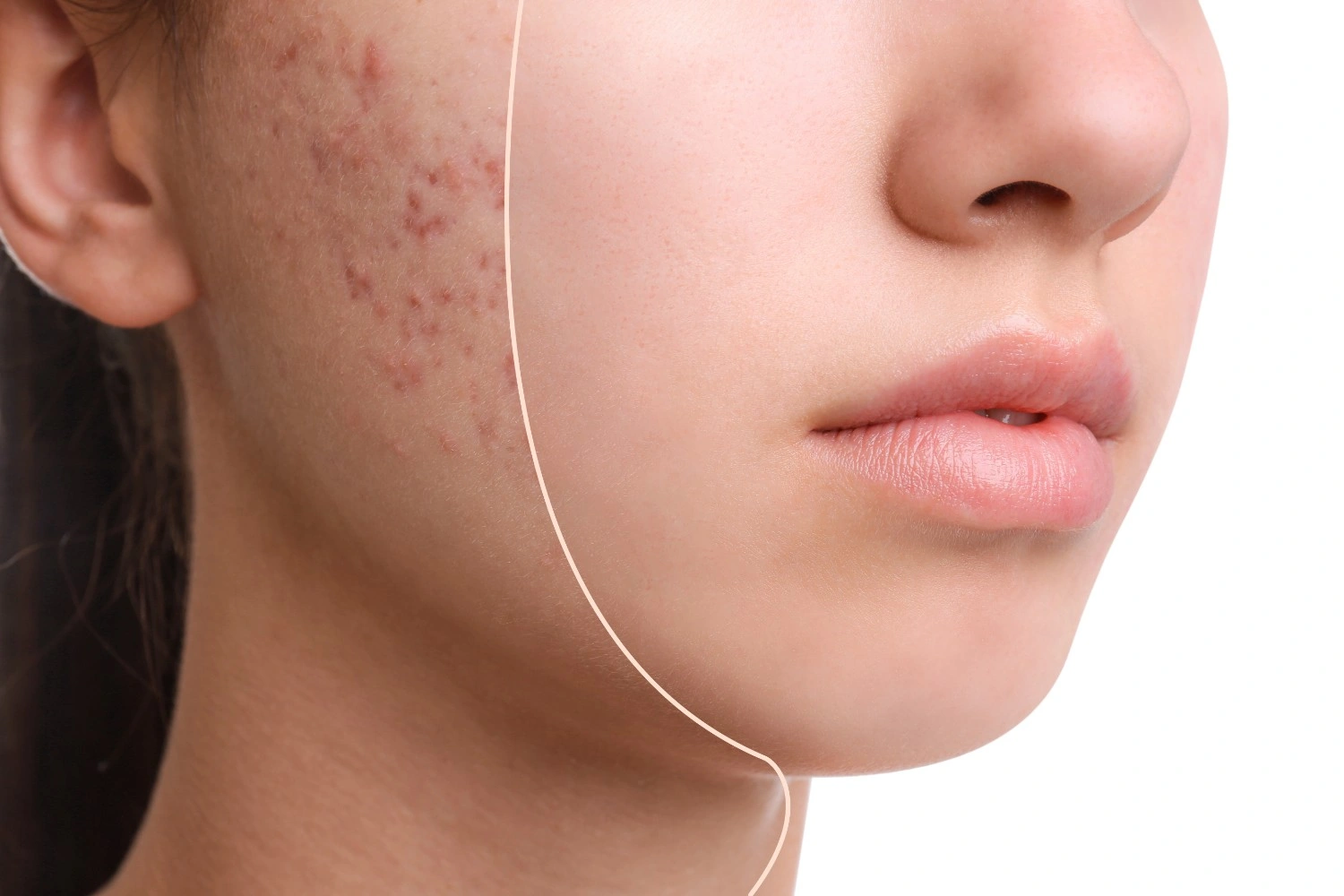
Acne occurs when hair follicles become clogged with oil and dead skin cells, leading to various types of blemishes. While home remedies focus on lifestyle adjustments and mild topical care, medical treatments provide clinical interventions for persistent or severe cases. If over-the-counter options fail to clear the skin or if painful nodules develop, consulting a skincare professional may help. Here is more information about acne and its various treatments:
Common Causes
Excessive sebum production combines with dead skin cells to block pores and trap bacteria. This process triggers inflammation, which results in the development of acne on the face or body. Hormonal fluctuations, particularly during puberty or pregnancy, often increase the activity of oil glands. Certain medications or dietary habits may also contribute to the frequency and severity of breakouts.
Whiteheads and blackheads form when the pore remains open or closed at the skin surface. If the blockage occurs deeper in the follicle, painful bumps known as nodules or cysts may appear. Inflammatory responses cause the skin to turn red or swell around the affected area. Bacteria like Cutibacterium acnes thrive in these clogged environments and lead to further infection.
Home Remedies
There are some home remedies or hygiene habits that help prevent or manage acne. Here are some examples of healthy lifestyle changes for acne:
- Consistent cleansing routine to remove surface oils
- Avoid the habit of picking or popping pimples to prevent the introduction of new bacteria into the skin
- Frequent washing of pillowcases and phone screens to reduce the transfer of environmental irritants to the face
- Balanced diets low in high-glycemic foods may help manage the underlying triggers of sebum overproduction
There are also some over-the-counter treatments for acne. Benzoyl peroxide products work by killing bacteria and drying out excess oil. Salicylic acid serves as a chemical exfoliant to keep pores clear of dead skin buildup; using non-comedogenic cosmetics avoids further clogging of the hair folicles from daily makeup. These natural or self-care methods generally address mild forms of the condition without the need for prescriptions.
Medical Treatments
Prescription topical medications contain higher concentrations of retinoids or antibiotics than retail products. Oral acne medications, such as isotretinoin, target the most severe cases of cystic acne, and providers can administer steroid injections to reduce the size and pain of large nodules quickly. To remove damaged skin layers and encourage new growth, a provider may administer a chemical peel, which involves the application of acidic solutions to the skin.
Other medical treatments can include light or laser therapy. Light therapy sessions use specific wavelengths to destroy bacteria residing deep within the skin, while laser treatment may improve the appearance of scarring left behind by chronic breakouts. Side effects of laser therapy can include swelling and tenderness, and the provider can help determine if multiple sessions will be needed to achieve the desired result.
Professional Help
If persistent breakouts do not respond to several weeks of home care, or you are experiencing physical pain or deep nodules in the skin, you may benefit from a clinical evaluation. Cysts can indicate an underlying hormonal issue, and early medical intervention may help prevent scarring. If you have extensive acne scarring, laser resurfacing or treatments such as retinoids or salicylic acid may help improve the appearance of acne scars.
Learn More About Acne Treatment
Acne ranges from blackheads to severe, painful cysts that may require different levels of care. While natural remedies can assist with mild oil control, medical treatments like lasers and prescription medications address inflammation and deeper effects of acne. Managing the condition through professional guidance can help minimize the long-term risk of scarring and infection. To learn more about acne treatment options, consult a skincare specialist near you.
Leave a Reply