
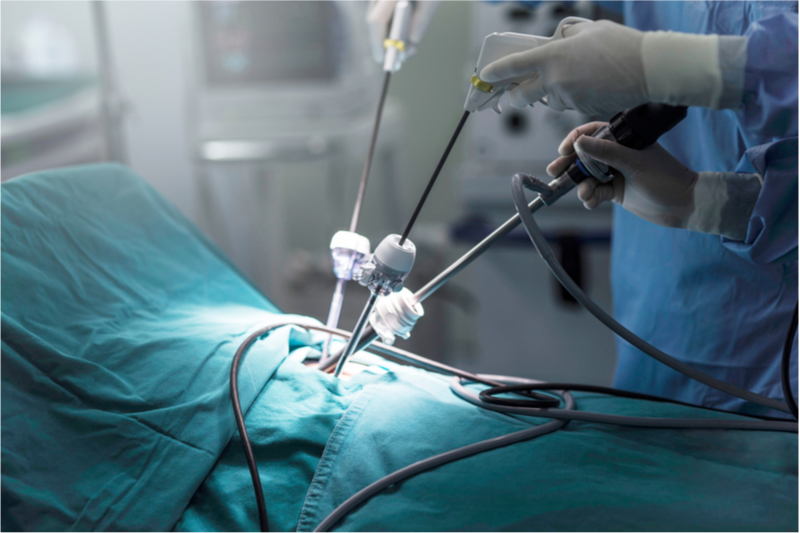
Minimally invasive surgeons perform operations through small incisions, and they use specialized techniques and instruments. While they train in various fields, their focus remains on using less invasive methods for surgical procedures. This approach differs from traditional open surgery, which involves larger incisions. Here is more information about minimally invasive surgery:
Gallbladder Removal
Gallbladder removal, or cholecystectomy, is a standard procedure. It is performed using a minimally invasive approach, and it is called laparoscopic cholecystectomy. To do this, the surgeon makes a few small openings in the abdomen. Some benefits of laparoscopic gallbladder surgery potentially include:
- Smaller incisions
- Faster recovery time
- Less pain after surgery
- Minimal scarring
Through these small openings, the surgeon inserts a camera and specialized tools. This allows them to see the gallbladder and surrounding organs on a screen. The gallbladder is then carefully detached, and minimally invasive surgeons remove it through one of the small incisions. This approach is used for treating gallstones and other gallbladder issues.
Robotic Surgery
Surgeons use robotic systems to perform complex procedures with precision. To do this, these systems provide a magnified, 3D view of the surgical site. The surgeon controls robotic arms from a console, and the system translates the surgeon’s hand movements into precise actions.
This technology is an extension of the surgeon’s hands and eyes. When a surgeon uses a robotic platform, they manipulate instruments attached to the robotic arms. Many types of operations use robotic assistance, and these span across multiple medical specialties.
Robotic surgery is used in fields such as urology, gynecology, and general surgery. In many cases, surgeons complete extensive training to operate these advanced systems. The equipment offers a high degree of dexterity, and this enables them to perform delicate tasks.
Colectomy Procedure
A colectomy is a surgical procedure to remove all or part of the colon. When performed using minimally invasive techniques, it typically involves several small incisions in the abdomen. A laparoscope, which is a thin tube with a camera, is inserted through one incision, while surgical tools are placed through the others. The surgeon may watch a monitor that displays images from the laparoscope.
Hernia Repair
A hernia occurs when an organ pushes through a weak spot in muscle or tissue. During surgery, minimally invasive hernia repair uses a laparoscope and small incisions. The surgeon guides a piece of surgical mesh, and they use it to cover and reinforce the weak area. There are different types of hernias, and the surgical approach may vary.
The surgeon places the mesh from within the abdomen. This process is different from open repair, where a larger incision is made directly over the hernia. This method typically results in a fast recovery time and minimal post-operative pain, but it requires specialized skills and equipment to make sure the procedure is performed effectively.
Find Minimally Invasive Surgeons
Finding a surgeon who performs these types of procedures involves research, and you can start by asking your primary care physician for a referral. Professional medical organizations may offer resources to help locate qualified surgeons in your area. If you are seeking a consultation, contact a minimally invasive surgery clinic to schedule an appointment.
Leave a Reply