
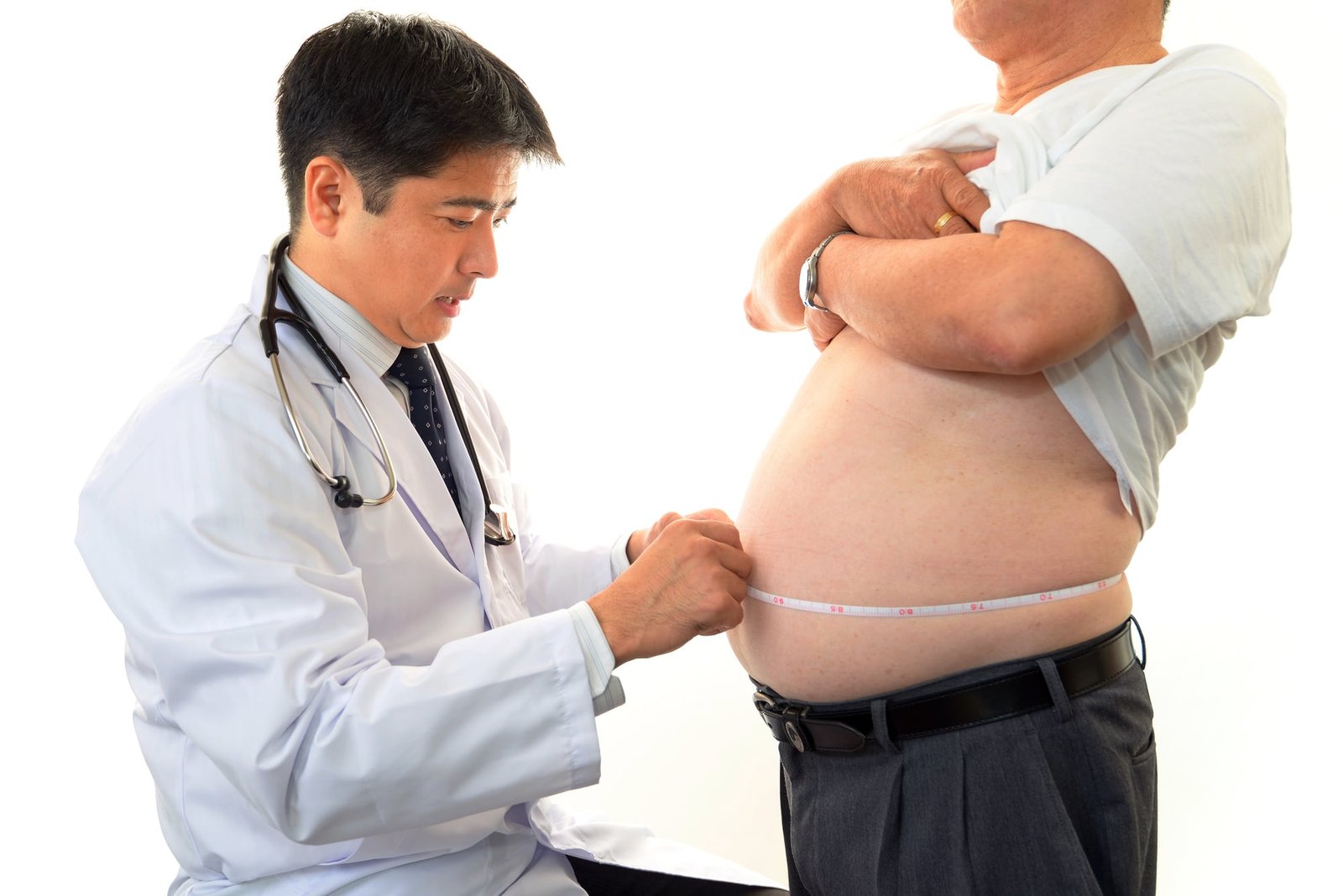
Testosterone is a hormone present in both men and women, though it is predominantly associated with male physiology. It plays a role in regulating muscle mass, bone density, and fat distribution. Both low testosterone and weight management are interconnected aspects of metabolic health.
What Causes Low Testosterone?
Several factors can contribute to low testosterone levels. Age is a primary contributor, as testosterone production naturally begins to decline in men with time. This gradual reduction is a normal part of the aging process. Beyond age, certain genetic or congenital conditions may affect the body’s ability to produce sufficient testosterone from birth.
Disorders affecting the endocrine system, which includes the pituitary gland, may also disrupt hormone signaling and production. These glands are responsible for regulating testosterone, and any dysfunction can lead to lower levels. Some medications have been noted to affect hormone levels as a side effect.
How Is It Linked to Obesity?
The link between low testosterone and obesity appears to be bidirectional, meaning each condition may influence the other. Body fat contains an enzyme called aromatase, which can convert testosterone into estrogen. In individuals with a higher percentage of body fat, this conversion process may be more pronounced, leading to a decrease in circulating testosterone.
Low testosterone can also contribute to an increase in body fat. The hormone helps regulate fat distribution and supports the maintenance of lean muscle mass. When levels are low, the body may tend to store more fat, particularly in the abdominal area, and building or maintaining muscle may become more challenging. This change in body composition can create a cycle where obesity contributes to lower testosterone levels, and lower testosterone levels promote increased fat storage.
How Is It Treated?
When an individual discusses low testosterone with a healthcare provider, the approach is often comprehensive and tailored to their specific situation. Management strategies may begin with lifestyle modifications. Implementing a balanced diet and a consistent exercise routine can support weight management. This may have a positive effect on testosterone levels. Improving sleep hygiene by establishing a regular sleep schedule and creating a restful environment is another common recommendation, as the body can produce testosterone during sleep.
If an underlying medical condition, such as a pituitary disorder, is identified as the cause, a clinician will focus on addressing that specific issue. After a thorough evaluation, a physician may suggest testosterone replacement therapy (TRT). This treatment is administered under strict medical supervision and requires regular monitoring to assess its effects and manage any potential side effects. The decision to proceed with any treatment involves shared decision-making between the patient and their doctor.
Receive Professional Medical Care
Understanding the complex relationship between hormonal health and body weight is a key aspect of maintaining overall wellness. Symptoms associated with low testosterone can also be related to other health conditions. Obtaining an accurate diagnosis from a qualified healthcare professional is a necessary step. A physician can perform a comprehensive evaluation to determine the underlying cause of your symptoms. Based on this assessment, they can provide personalized guidance and develop a management plan tailored to your specific needs.
Leave a Reply