
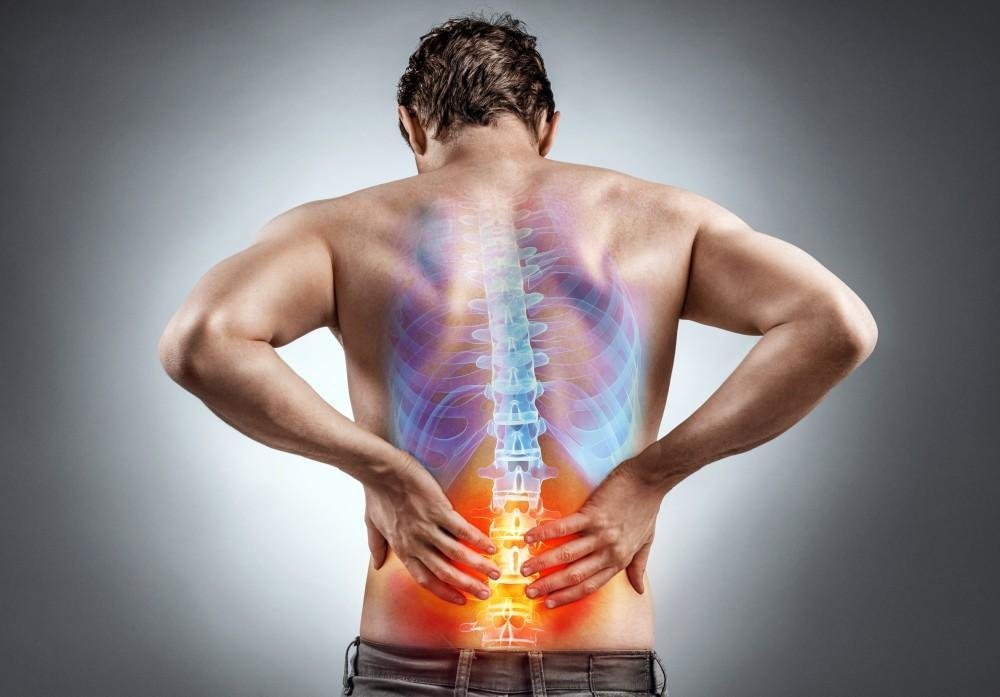
Lumbar spinal stenosis is a condition characterized by the narrowing of the spinal canal in the lower back. This narrowing can put pressure on the spinal cord and the nerves that travel through the spine to the legs. The condition often develops as part of the degenerative changes that occur with aging. Here’s more information on the impacts of spinal stenosis and what the symptoms, diagnostic process, and available treatments are for this condition:
Symptoms
Living with lumbar spinal stenosis commonly affects your mobility, impacting everyday activities and responsibilities. This condition causes chronic pain or discomfort in the lower back and legs, making it difficult to perform routine movements, including walking, climbing stairs, or standing for extended periods. Many individuals experience increased fatigue due to the physical strain of managing symptoms.
Symptoms causing pain and limited mobility can interfere with social participation, work responsibilities, and recreational activities. These impacts may also affect mental health. Lumbar spinal stenosis symptoms may develop gradually over time, and they often involve the lower back and legs. The specific symptoms can vary among individuals, but they commonly include:
- Pain That Radiates Downward
- Pain in the Lower Back
- Weakness in the Legs or Feet
- Numbness, Tingling, or Cramping Sensations
Diagnosis
A definitive diagnosis of lumbar spinal stenosis involves a comprehensive evaluation by a healthcare professional. The process typically includes a clinical assessment and diagnostic imaging. A physician will begin by reviewing your medical history and discussing your specific symptoms. They will ask about the pattern of your pain and what activities make it better or worse. A physical examination is then performed to assess your gait, muscle strength, reflexes, and sensation.
After the clinical evaluation, imaging studies may be done to confirm the diagnosis. An MRI scan is a common tool that uses magnetic fields to create detailed images of the spinal canal, nerves, and discs, and it can clearly show areas of narrowing. A CT scan uses X-rays to generate cross-sectional images of the spine, providing detailed views of the bony structures that may be contributing to stenosis. While standard X-rays do not show soft tissues like nerves, they can reveal issues like bone spurs or alignment problems.
Treatments
Treatment plans are tailored to the individual’s specific symptoms and the severity of the stenosis. The approach typically begins with conservative, non-surgical options. Conservative treatments aim to manage symptoms and improve function.
Conservative Treatments
Activity modification can help you avoid positions that trigger pain, and physical therapy often focuses on flexion-based exercises to open the spinal canal and strengthen supporting muscles. Over-the-counter or prescribed medications, such as nonsteroidal anti-inflammatory drugs (NSAIDs), may help with pain relief. Epidural steroid injections can also be administered to deliver anti-inflammatory medication directly to the affected area.
Advanced Treatments
When conservative treatments do not provide sufficient relief or if symptoms are severe, surgical options may be recommended. Surgical procedures focus on decompressing the affected nerves to alleviate pressure on the spinal nerves in the lower back. A laminectomy, or decompression surgery, involves removing a portion of the vertebral bone called the lamina to create more space in the spinal canal.
The goal of the procedure is to relieve pain, improve mobility, and enhance the patient’s quality of life. During the surgery, specific techniques like a laminotomy or foraminotomy are employed to remove bone or tissue that impinges on the nerves. Recovery from lumbar decompression surgery typically involves physical therapy to regain strength and flexibility, though outcomes vary based on the individual’s health and the severity of their condition. In cases where spinal instability is also present, spinal fusion surgery may be performed to stabilize the vertebrae.
Learn More About Lumbar Spinal Stenosis
Lumbar spinal stenosis is a complex condition with a range of symptoms and potential treatments. An accurate diagnosis is fundamental for developing an appropriate management plan. If you are experiencing symptoms consistent with this condition, contact a spinal pain management specialist for an evaluation today. Providers offer personalized care, and they help you understand your options.
Leave a Reply