
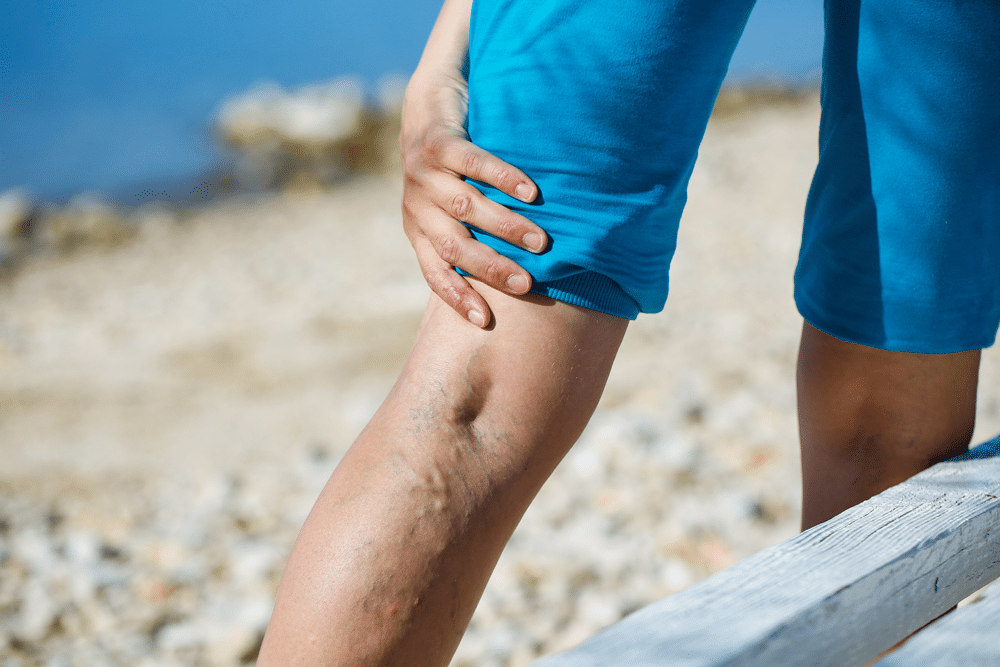
Varicose veins appear as twisted, enlarged blue vessels on the legs and lower extremities. Because valves within the veins malfunction, blood flows backward and pools significantly in the legs. The pressure within the vessel walls increases, and uncomfortable swelling may develop over time. Here are some lifestyle changes for managing varicose veins:
Staying Active
Regular physical movement encourages healthy blood circulation throughout the entire body without straining your joints. When you walk daily, you help to reduce the pressure placed on your leg veins. Low-impact activities provide significant advantages for long-term vascular health management and symptom control.
Since high-impact sports jar the body, gentle exercises are typically better options for patients. Swimming uses the water’s pressure to compress your legs comfortably as you move through the pool. Cycling builds leg strength, but it does not stress the delicate valves inside the veins. These specific activities keep blood flowing efficiently and help to reduce varicose veins.
You can build a fitness routine slowly, and endurance increases steadily over several weeks. If pain occurs during any exercise, stop the activity immediately for your personal safety. Consistent movement matters more for circulation than the intensity of the individual workout session. Consult a vascular specialist, and you can ask a qualified trainer for specific guidance on safe movements.
Changing Positions
Sedentary behavior contributes significantly to the progression of venous insufficiency and varicose veins. Office workers sit for hours at their desks, and blood flow in the lower legs becomes stagnant. Because gravity affects circulation, staying in one spot causes pooling within the weakened vessels. The lack of regular muscle contraction allows pressure to build up in the extremities.
When you must sit for work, flex your ankles frequently to stimulate blood flow. Avoid crossing your legs or ankles for extended periods during the day or evening. Set a timer on your phone, and stand up every hour to stretch your legs. Even if you stand for work, shifting weight from one leg to the other helps.
Avoiding Salt
Sodium causes the body to retain water, and this extra fluid increases pressure on the veins. Since processed foods contain high sodium, read nutritional labels very carefully before purchasing items. Excess fluid retention complicates the management of existing varicose vein symptoms and causes discomfort. Fresh whole foods usually contain much lower levels of sodium than packaged alternatives do.
Raising Legs
Elevation provides immediate relief for tired, heavy legs after a long day of activity. As you elevate your feet, gravity helps drain the pooled blood back toward the heart. Lie on a comfortable surface, and prop your legs above the level of your heart. This position reduces the internal pressure within the leg veins and decreases swelling.
Try these steps:
- Use three pillows for support.
- Rest for 15 minutes daily.
- Keep knees slightly bent.
- Relax your entire body.
Schedule Treatment for Varicose Veins
While these habits help management, they do not permanently cure the underlying vein condition. Medical treatments remove damaged veins, and procedures aim to improve the leg’s appearance and comfort. Call a vascular care clinic today and schedule your appointment for a vein treatment consultation.
Leave a Reply