
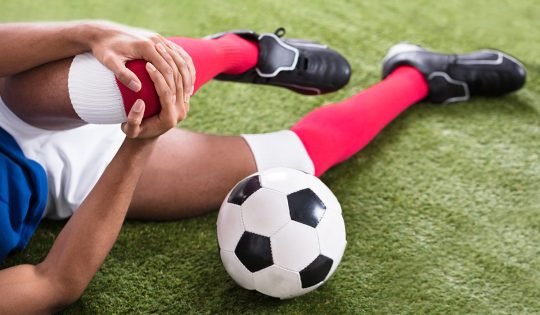
A sports injury can range from a mild strain to a serious condition that affects movement, performance, and long-term joint or muscle health. Recognizing the warning signs helps prevent complications and supports a safer recovery. Here is what to know about identifying a sports injury and when to seek professional help:
Exploring Common Injuries
A sports injury generally falls into one of two categories: acute or chronic. Acute injuries happen suddenly, such as a sprained ankle caused by an awkward landing or a fractured wrist resulting from a fall. Chronic injuries develop gradually over time due to repetitive stress on a specific part of the body.
Knee pain is a frequent complaint among active individuals; the knee bears significant weight and is susceptible to various types of sports trauma. Common acute knee injuries include tears to the anterior cruciate ligament (ACL) or the meniscus. Conditions like runner’s knee or tendonitis develop slowly. These issues often stem from training errors, improper footwear, or structural imbalances that place excessive strain on the joint.
Identifying Red-Flag Pain
Specific symptoms distinguish a sports injury from a normal physiological response. It is key to monitor your body for the following indicators:
- Sharp or Stabbing Pain: While soreness usually feels like a dull ache, sharp pain often indicates structural damage to a muscle, ligament, or bone.
- Swelling and Inflammation: Visible swelling, redness, or warmth around a joint is a clear sign of inflammation and potential tissue damage.
- Reduced Range of Motion: If you cannot fully extend or flex a limb, or if moving a joint through its normal path causes pain, an injury may be present.
- Instability or “Giving Way”: A sensation that a joint, particularly the knee or ankle, is unstable or buckling under weight, suggests ligament damage.
- Visible Deformity: Any noticeable change in the shape or alignment of a bone or joint requires immediate medical attention.
Pushing through this type of pain can aggravate the condition, turning a minor issue into a major sports trauma.
Deciding When To Seek Help
Generally, if pain persists for more than a few days despite rest and home care, professional evaluation is necessary. For acute injuries, immediate medical attention is necessary if you cannot bear weight on the injured limb or if there is severe pain and swelling. If knee pain or other joint discomfort persists for longer than two weeks, it is advisable to consult a specialist. Ignoring chronic pain can lead to compensatory movements, where the body alters its mechanics to avoid pain, potentially causing secondary injuries in other areas.
Taking Immediate Action
Immediate management of a suspected sports injury can significantly impact the healing process and pain levels. The following protocols are often recommended for the initial acute phase of injury:
- Protect the Area: Avoid activities that increase pain or stress the injured tissue to prevent further damage.
- Apply Ice: Use ice packs for 15-20 minutes every few hours to help manage swelling and relieve localized pain.
- Compress the Injury: Wrapping the area with an elastic bandage can help control swelling and provide support to the injured joint.
- Elevate the Limb: Keeping the injured area above the level of the heart helps drain fluid away from the injury site, reducing inflammation.
- Rest: Adequate rest is key to allowing the body’s natural healing processes occur without interruption.
These steps serve as a helpful first line of defense but are not a substitute for professional medical advice.
Schedule Your Sports Injury Evaluation
Recognizing the signs of a sports injury is the first step toward recovery. Dealing with acute sports trauma or chronic knee pain requires timely intervention to restore function and facilitate a return to activity. If you are experiencing persistent pain, swelling, or instability, contact a trusted healthcare provider near you to schedule your evaluation today.
Leave a Reply