
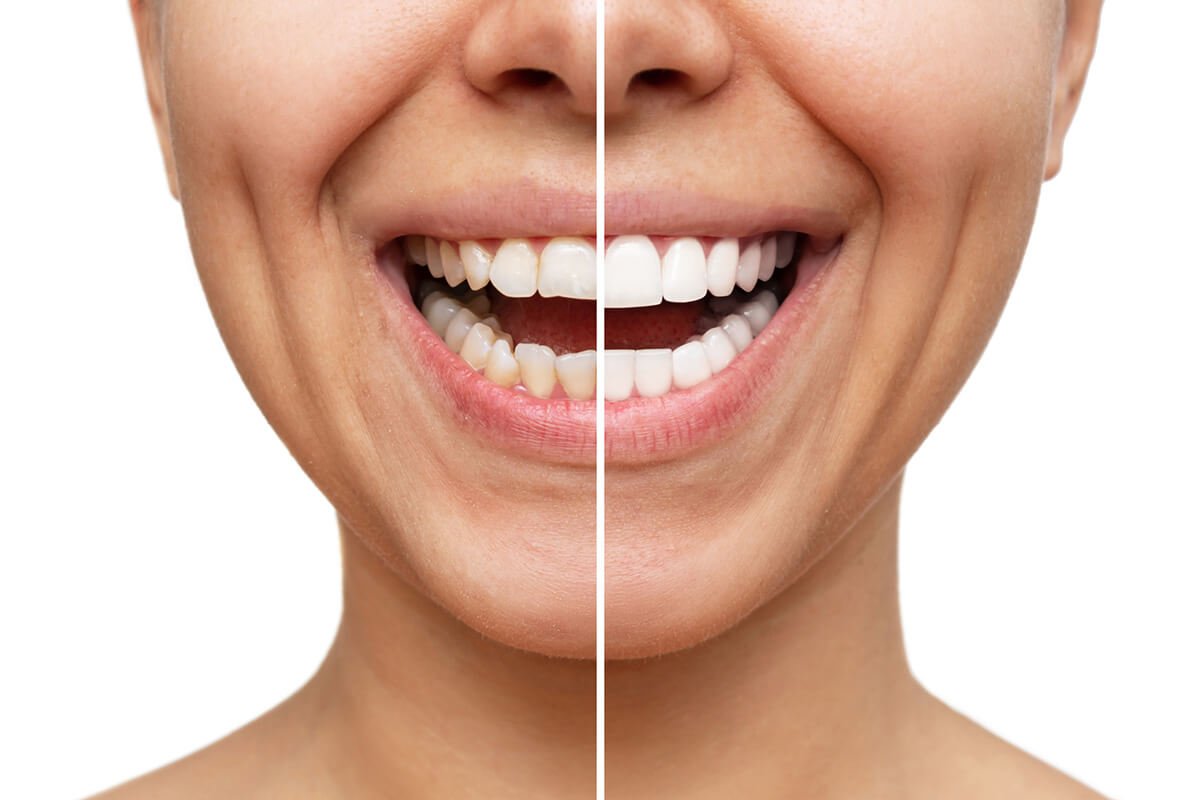
For those seeking to enhance the look of their teeth, various cosmetic dental options are available. Among these choices, dental veneers have become a recognized method for altering a smile’s aesthetic. This procedure offers a way to address multiple cosmetic concerns at once, providing a comprehensive solution.
What Are Veneers?
Dental veneers are thin, custom-made shells designed to cover the front surface of teeth. They are crafted from tooth-colored materials, most commonly porcelain or a resin composite. The purpose of a veneer is to improve the appearance of a tooth by changing its color, shape, size, or length. These shells are bonded directly to the enamel of the tooth, creating a durable and natural-looking surface.
What Do They Address?
Veneers are a versatile cosmetic treatment capable of correcting several dental imperfections simultaneously. One of the most common reasons people seek veneers is to address tooth discoloration. Stains from foods, drinks, smoking, or even certain medications can be difficult to remove with whitening treatments alone. Veneers provide a covering over the stained tooth, offering a consistently white and bright smile.
They are also effective for restoring teeth that are physically damaged. Minor chips, cracks, or fractures can be concealed by a veneer, restoring the tooth’s original shape and integrity. For teeth that are worn down from grinding or other habits, veneers can rebuild their structure and protect them from further damage.
Misalignment and spacing issues can be addressed with veneers. Small gaps between teeth can be closed, and minor crookedness can be corrected without the need for orthodontic treatment. Veneers can be shaped to create a more uniform and symmetrical appearance across the entire smile line. They can also alter the perceived size and shape of teeth, making small or misshapen teeth appear more proportionate to the rest of the mouth.
What Does the Process Involve?
The procedure for placing dental veneers typically requires a few appointments. The initial step is a consultation with a dental professional to discuss the patient’s goals and determine if veneers are a suitable option. During this visit, the dentist will conduct a thorough examination of the teeth and gums to check for any underlying oral health issues that need to be addressed first.
If the patient proceeds with veneers, the next appointment involves preparing the teeth. To make room for the veneer, the dentist will remove a very thin layer of enamel from the front surface of the tooth. This amount is roughly equal to the thickness of the veneer itself. After the tooth is prepared, the dentist will take an impression, or mold, of the teeth. This impression is sent to a dental laboratory where the custom veneers will be fabricated. The fabrication process usually takes one to two weeks. Temporary veneers may be placed while the permanent ones are being made.
Once the permanent veneers are ready, the patient returns for the final placement. The dentist will first place the veneer on the tooth to check its fit and color, making any necessary adjustments. After confirming the fit, the tooth is cleaned, polished, and prepared. A special cement is applied to the veneer, which is then placed on the tooth.
Consult a Dental Professional
Making decisions about cosmetic dental procedures requires professional guidance. A qualified dentist can provide a comprehensive evaluation of your oral health and discuss the various treatment options available to you. During a consultation, you can review material choices, discuss the expected longevity of the results, and understand the full scope of the financial investment.
Leave a Reply