
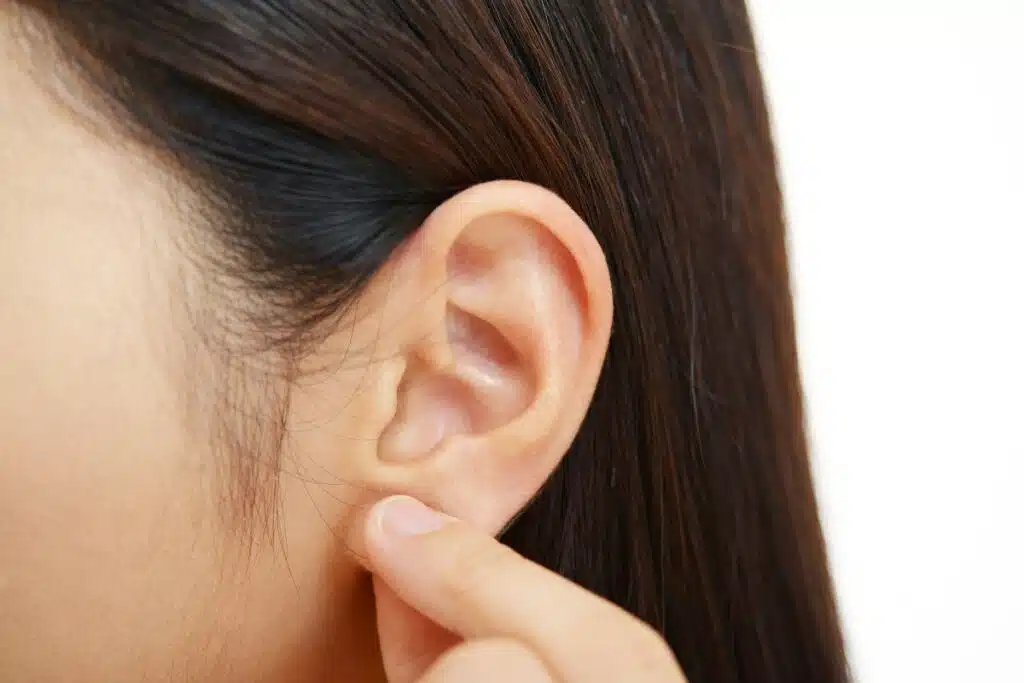
Earlobe repair, also known as lobuloplasty, is a surgical procedure designed to correct split, torn, or stretched earlobes. Individuals often seek this treatment after experiencing trauma or gradual stretching from heavy jewelry. The procedure aims to restore the natural appearance of the earlobe and often allows for future re-piercing. This guide explores the reasons for repair, the procedure details, and the recovery process.
Earlobe Damage
Earlobe damage frequently occurs due to mechanical stress on the soft tissue. The most common culprit is the use of heavy earrings, which pull on the piercing hole over time. This constant weight can cause the hole to elongate into a slit or eventually tear through the bottom of the lobe. Sudden trauma is another cause, often happening when an earring gets snagged on clothing or pulled unexpectedly. Earlobe repair is available if needed.
Some individuals choose to stretch their lobes intentionally using gauges. While this is a deliberate aesthetic choice, reversing the process often requires surgical intervention if the hole does not shrink naturally. Aging also affects the earlobes, as skin loses elasticity and collagen. This natural process can result in sagging or thinning lobes that are more susceptible to tearing. Understanding these causes helps individuals identify when professional intervention is necessary to restore the ear’s structure.
Earlobe Deformities
Determining the need for surgery often involves examining the visible condition of theearlobe. A clear sign is a split or cleft in the lobe, which prevents the wearing of earrings entirely. In cases where the lobe is not fully torn, the piercing hole may appear significantly elongated. This elongation often causes stud earrings to tip forward or dangle earrings to hang lower than intended. Asymmetry is another indicator that repair might be beneficial. If one earlobe hangs lower or looks different from the other due to stretching or injury, surgery can restore balance. Consulting a medical professional helps determine if the damage is severe enough to warrant a surgical solution.
Earlobe Repair
Earlobe repair is typically performed as an outpatient procedure under local anesthesia. The surgeon begins by cleaning the area and injecting an anesthetic to numb the lobe. Once the area is numb, the provider creates an incision to remove excess skin or scar tissue. The edges of the tear or stretched hole are then brought together and sutured. The entire process generally takes less than an hour per ear.
Recovery is relatively quick, and most patients return to normal activities immediately. Patients may experience mild swelling or bruising, which typically resolves within a few days. Stitches are usually removed or dissolve on their own after one to two weeks. During the healing period, keep the incision clean and avoid pressure on the area. Sleeping with the head elevated can help minimize swelling.
Meet A Specialist
Earlobe repair offers a functional solution for damaged or stretched ears. The procedure addresses issues ranging from acute tears to long-term stretching caused by jewelry. By removing damaged tissue and suturing the lobe, surgeons restore symmetry and structural integrity. Recovery is brief, and re-piercing is often possible after the tissue has fully healed. Individuals considering this option should consult a qualified provider to discuss their specific needs and expected outcomes.
Leave a Reply