
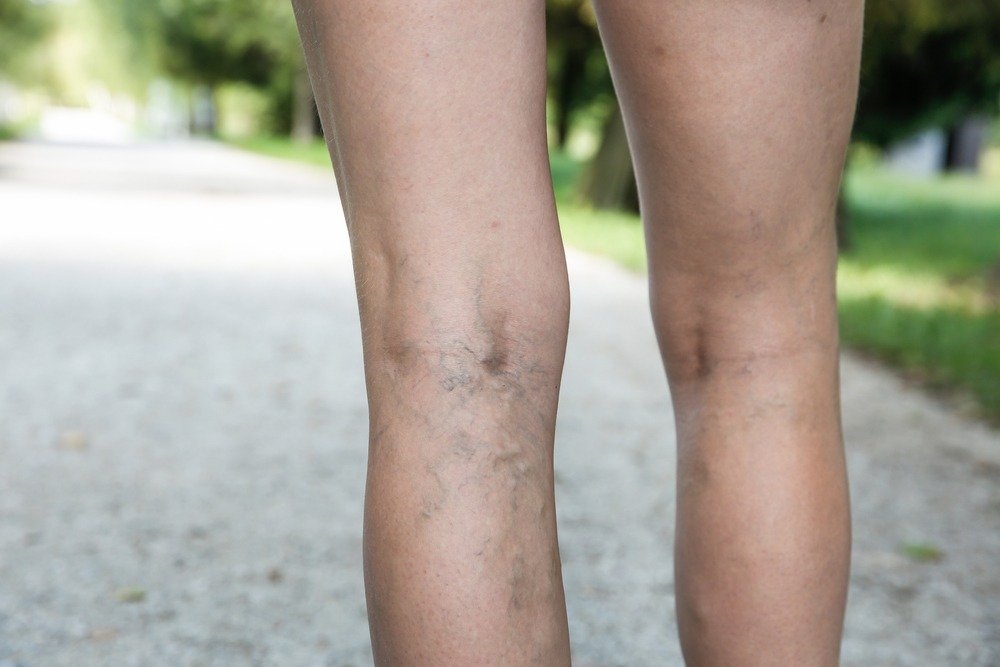
Spider veins are small, damaged veins that can appear on the surface of your skin, and people may notice them as delicate lines or clusters. While these veins typically do not cause serious health issues, you might want to address them for cosmetic reasons. Spider veins may develop on the legs or face. Here is more information about this condition and how to treat it:
Identifying Spider Veins
Spider veins resemble thin lines, webs, or branches that can look quite different on every person. These veins are typically red, purple, or blue in color, and they can be flat or slightly raised. You may notice them on your thighs, calves, ankles, or face, as these areas tend to experience increased blood flow and pressure.
Symptoms are not always present, but aching, burning, or itching may occur around the affected sites. Both genetics and hormonal changes can influence the likelihood of developing this condition, alongside lifestyle and occupational factors. Prolonged standing, obesity, and excessive sun exposure contribute to their formation and may worsen existing veins.
Treating Symptoms
You have the option of professional office-based treatments and at-home lifestyle changes to address this condition. While medical procedures can help close off these visible veins, ongoing habits support the natural health of your veins on a day-to-day basis. Some valuable ways to help manage this condition include:
- Wearing compression stockings
- Elevating your legs often
- Making physical activity part of your routine
- Choosing supportive footwear
A medical professional will provide guidance that matches your circumstances and risk profile.
Using Sclerotherapy
Sclerotherapy is a standard medical procedure used to reduce the appearance of spider veins, providing a straightforward solution for individuals seeking options beyond home care. A specialist uses a tiny needle to inject a medicated solution directly into the vein, which causes the vein’s lining to swell, collapse, and stick together. Over time, the vein fades as your body naturally reroutes blood flow to healthier vessels nearby.
A typical sclerotherapy session involves a few steps. Depending on the number and size of your spider veins, you may require multiple sessions to achieve the desired result. Solutions can include saline and other approved medications, with the choice depending on your vein type and medical history.
Some side effects may develop after a session, including mild bruising, swelling, or redness around the treatment area. These effects are generally short-lived and subside over the following days, so it may not impact your schedule. Aftercare may include wearing compression stockings as advised and keeping your legs moving, which helps aid circulation and promote healing.
Controlling Symptoms
Simple lifestyle changes make a difference in symptom control and comfort. Elevate your legs above heart level for short periods throughout the day, or add a few minutes of gentle movement every hour to keep blood flowing. Compression stockings, daily walks, weight management, and regular sunscreen use all offer support for your vein health and overall comfort.
Get Treated for Spider Veins
Spider veins are small, visible veins that may cause symptoms or concern, but treatments and preventive measures are available. If you would like more information about your choices, book a consultation or speak with a qualified vascular specialist. Take the next step by reaching out for guidance based on your needs.
Leave a Reply