
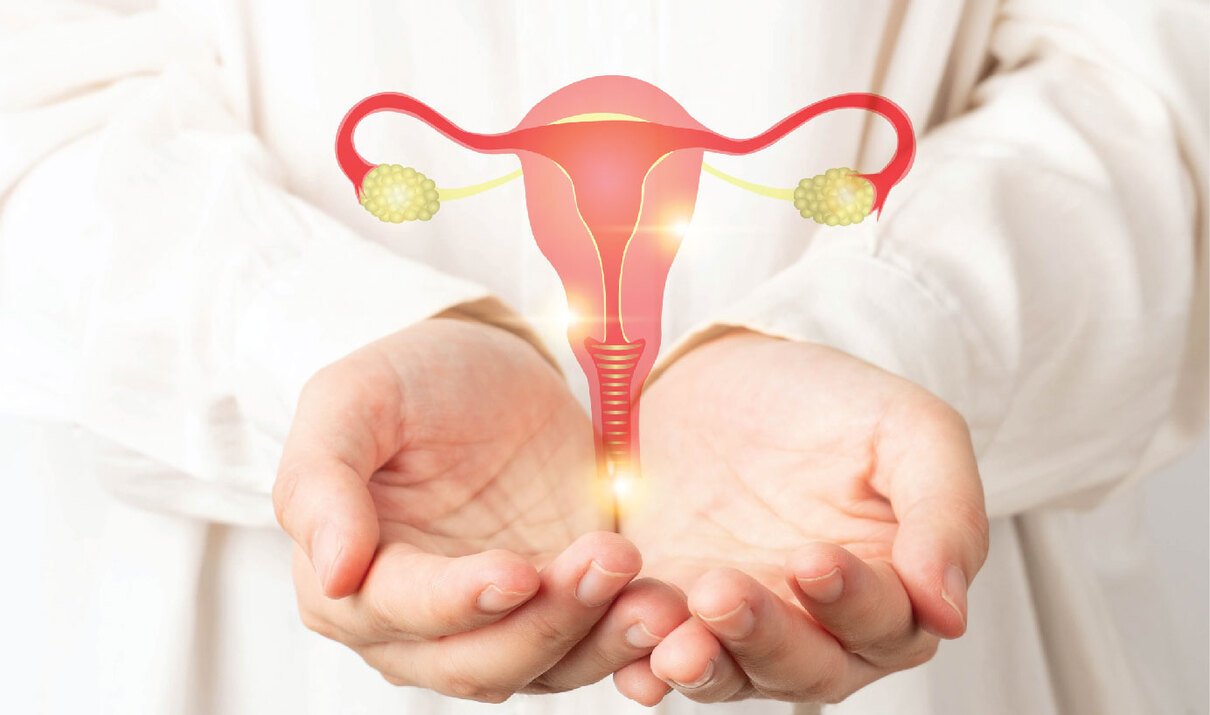
Insemination techniques are medical procedures that help people address fertility challenges, and they can also support conception. Because these approaches work by introducing sperm directly into a female’s reproductive tract, it may make it easier for fertilization to occur. Over time, techniques have improved, creating new insemination options that can address a range of needs. Here is more information about how insemination techniques have improved:
In Vitro Fertilization
In vitro fertilization, or IVF, is a traditional technique that involves several precise steps. First, doctors retrieve eggs from a woman’s ovaries, and then these eggs are fertilized with sperm in a laboratory environment. The fertilized eggs grow into embryos over several days, and a specialist places one or more developed embryos directly into the uterus.
Today’s IVF utilizes technology that has evolved rapidly over the past few decades. The process can now use frozen embryos for transfer, and it allows more control over timing and preparation. If the embryo successfully attaches to the uterine lining, the pregnancy will continue as it would with natural conception.
Intrauterine Insemination
Intrauterine insemination, or IUI, streamlines the movement of sperm by placing washed and concentrated sperm directly inside the uterus. The procedure bypasses the cervix entirely, and this brings the sperm closer to the fallopian tubes, where fertilization naturally occurs. Because doctors regularly time IUI to match ovulation periods, it aims for optimal conception conditions.
Minimal Incisions
Laparoscopy is a minimally invasive surgical procedure used in reproductive medicine. Using a laparoscope, a doctor can view the inside of the abdomen and pelvis without making large incisions. This instrument typically transmits live images to a monitor, and the approach gives a clear view of the reproductive organs.
Medical teams use laparoscopy to diagnose and treat issues related to fertility, such as identifying blocked fallopian tubes or areas of endometriosis. A small incision is made near the navel for inserting the laparoscope, and surgical tools may be inserted through another tiny incision as needed. If the risks associated with large incisions are minimized, individuals undergoing this procedure may experience faster recovery times compared to those undergoing traditional open surgeries.
This minimally invasive method also enables doctors to perform both treatment and diagnosis simultaneously. In some cases, they may remove scar tissue or ovarian cysts during the procedure, which can improve reproductive health outcomes. The combination of direct visualization and immediate intervention makes laparoscopy an integral part of today’s insemination, and it is offered in fertility treatment plans.
Prescribed Medications
Physicians may prescribe medications before or during insemination treatments to improve egg development and prepare for fertility procedures. Two standard medications are clomiphene citrate and letrozole, both of which encourage the ovaries to release more eggs than usual. These drugs play a role in adjusting hormone levels or inducing ovulation, and they may improve chances.
If you are exploring treatment options, your doctor can personalize the medication plan for your individual needs. These prescriptions are designed to support your body’s natural cycles, and they can help prepare you for upcoming procedures. Medications used in these plans include:
- Medicines to stimulate the growth of eggs.
- Hormones for ovulation.
- Supplements to help condition the uterine lining.
Schedule Insemination Techniques Today
Advancements in insemination techniques continue to give people greater flexibility and more choices. If you want to understand which procedures are suitable for your medical history or family goals, speak with a fertility specialist. Contact a clinic to schedule a consultation and discuss which insemination techniques may best suit your circumstances.
Leave a Reply