
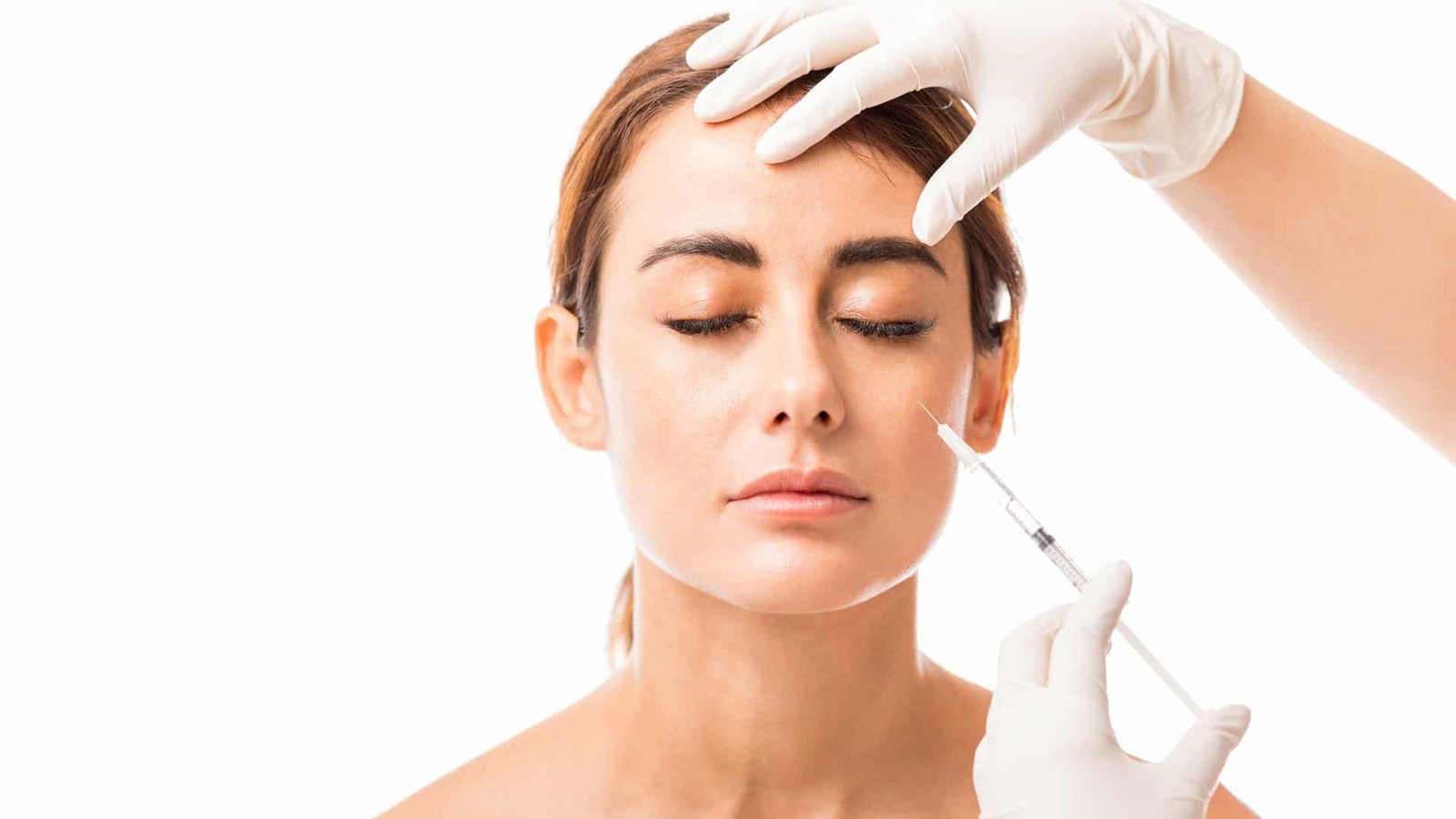
Botulinum toxin, also known as Botox, is a medical treatment that utilizes a purified substance derived from bacteria. It serves numerous therapeutic functions within general medicine, and medical professionals use it in strictly controlled, small doses. Understanding the biological mechanism and approved applications allows patients to make informed decisions about their healthcare.
What Is Botox?
Botox is a neurotoxic protein that is produced by the bacterium Clostridium botulinum. While this toxin causes botulism in large, uncontrolled amounts, practitioners use it safely in minute doses to treat specific health problems. It primarily functions as a neuromodulator, and it temporarily alters nerve transmission to targeted muscles.
How Does It Work?
The primary function of Botox is to block chemical signals from nerves that cause muscles to contract. When a provider injects the substance into a targeted muscle, the muscle can no longer contract, and it subsequently relaxes. This relaxation softens the appearance of dynamic wrinkles or relieves tension caused by chronic medical conditions.
The effect is localized to the injection site, affecting only the specific area where the provider administered the solution. The treatment does not permanently damage the nerve or the muscle, and the effects typically wear off over time. Nerves eventually regenerate new endings, and the muscle regains its ability to contract as normal.
This interruption of nerve signaling is a reversible process that relies on the body’s natural metabolic rates. The toxin binds to nerve endings for several months, yet the body eventually breaks it down and eliminates it. Regular maintenance treatments are necessary to sustain the desired muscle relaxation effects over the long term.
What Is It Used For?
Providers use Botox to treat a variety of cosmetic concerns, primarily focusing on facial wrinkles and fine lines. Common injection sites include the forehead, the area between the eyebrows, and the corners of the eyes. These injections smooth the skin by relaxing the underlying muscles, and patients may notice a significant reduction in line depth.
Physicians utilize this treatment for several functional medical conditions. It is an effective option for chronic migraines, and it also treats severe underarm sweating known as hyperhidrosis. Other FDA-approved applications include treating overactive bladders, spasms, and eyelid twitching.
What Does the Process Involve?
The procedure begins with a consultation where the provider assesses the patient’s medical history and treatment goals. They will determine the appropriate injection sites and dosage, and they will explain any potential outcomes. This initial step makes sure the treatment plan aligns with the patient’s specific anatomy and needs.
During the procedure, the practitioner uses a thin needle to inject tiny amounts of botulinum toxin into the skin or muscles. Recovery time is minimal, allowing most individuals to return to their daily activities immediately following the appointment. Patients should avoid rubbing the treated area for 12 hours, as this can cause the toxin to migrate to other muscles.
What Are the Benefits?
One primary benefit is that the treatment is minimally invasive, requiring no surgical incisions or general anesthesia. The treatment offers relief for conditions that may not respond well to standard oral medications or physical therapy. Another advantage is the treatment plan’s customizable nature for each individual. Providers adjust the dosage and injection pattern for each patient’s unique muscle structure, and this personalization may lead to more natural-looking results.
Learn More From a Specialist
Botox serves as a versatile option in modern medicine for both aesthetic enhancement and functional symptom relief. It offers a temporary solution for muscle-related conditions, and it helps patients rejuvenate their appearance. Consult with a qualified healthcare professional to discuss your eligibility today.
Leave a Reply