
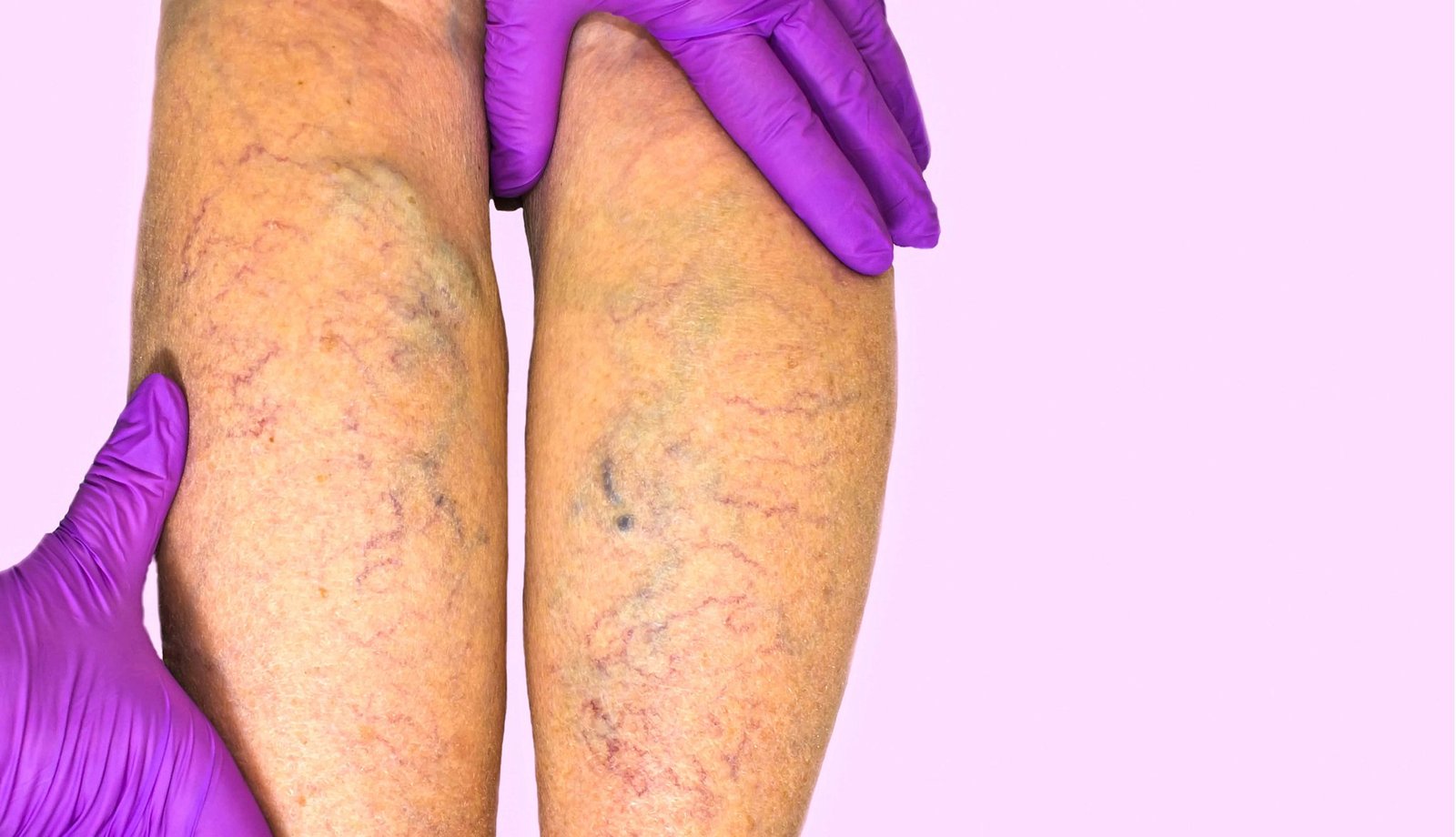
Varicose veins are bulging, twisted veins that often appear in the legs. For many individuals, these veins are more than a cosmetic issue; they are a visible sign of an underlying condition called chronic venous insufficiency. This issue develops when the veins in your legs struggle to send blood back to your heart. Facing both discomfort and the appearance of varicose veins, you may find it helpful to seek guidance from a vein specialist. Their expertise offers a key advantage in clarifying your condition and charting a course for relief.
Exploring Vein Connections
A vein specialist focuses on the health of the veins and sometimes the heart. Their role is to help you understand why varicose veins appear, and they create a plan that improves your comfort and overall well-being. They can explain that your veins contain small, one-way valves. These valves open to let blood move toward the heart and close to stop it from flowing backward. In chronic venous insufficiency (CVI), these valves become weak or damaged. Blood then pools in the veins rather than moving efficiently upward. This added pressure stretches the veins, causing them to bulge and twist into the rope-like shape typical of varicose veins.
The specialist provides valuable insights, clarifying the fundamental changes that lead to visible symptoms. They can help you understand how valve weakness creates a visible issue, shifting the focus from cosmetics to the underlying circulatory process. A specialist offers clarity, linking symptoms like aching, heaviness, or swelling directly to the underlying cause. This knowledge is key to making informed decisions about your heart and vascular health.
Assessing Your Vein Health
To get an overview of your vein health, a specialist completes a thorough assessment. Your initial visit may begin with a conversation about the following:
- Symptoms
- Family history
- Daily habits
- Medical history
- Physical activity level
In this discussion, include how long you tend to stand or sit each day. This combined information helps the specialist identify the fundamental factors shaping your condition. Share detailed information; this establishes a solid foundation for all that follows. It also allows you to contemplate any contributing patterns in your lifestyle.
After this discussion, your specialist may use a non-invasive ultrasound to get a detailed look at your veins beneath the surface. This imaging tool allows them to observe real-time blood flow and pinpoint which valves are not functioning as they should. The process can help identify where venous insufficiency is present. With this information, your specialist tailors a management plan to your needs; this enables them to target the fundamental cause rather than just symptoms.
Creating Personalized Management Plans
Not everyone with varicose veins or CVI requires a procedure. For many people, conservative measures are the key starting point. Your specialist may suggest steps such as:
- Wearing Compression Stockings: These garments provide gentle, consistent pressure on your legs to help support the veins and improve blood flow.
- Making Lifestyle Adjustments: Simple changes like elevating your legs at the end of the day, incorporating low-impact exercise like walking, and maintaining a healthy weight can make a significant difference.
Explaining Minimally Invasive Options
If lifestyle changes fail to provide relief, a vein specialist will review modern treatment options, and each targets the underlying cause of vein disease. These procedures can close or remove damaged veins, allowing blood to reroute through healthier vessels. Some treatments are minimally invasive and performed in an office setting with minimal downtime. Your specialist can explain each option clearly, helping you make informed decisions for improved comfort.
Meet With a Vein Specialist
Managing varicose veins can be a long-term process, and a vein specialist is a key partner in ongoing care. Through follow-up visits, they monitor progress, adjust treatment plans, and provide guidance to maintain results. This partnership supports lasting comfort and helps prevent future vein concerns. If you experience varicose vein discomfort, schedule a consultation with a vein specialist to receive personalized guidance and treatment for possible CVI.
Leave a Reply