
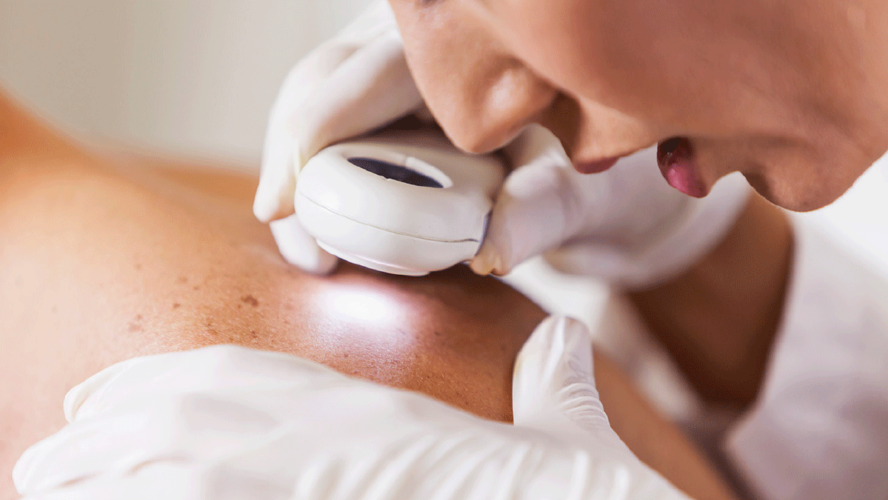
A skin cancer specialist has many roles, but focuses on identifying and treating skin cancers. These physicians are well-versed in the complexities of skin malignancies, ranging from basal cell carcinomas to more aggressive melanomas. They utilize specialized knowledge to guide patients through the diagnosis, treatment, and ongoing management of their condition. Here is how a skin cancer specialist can guide you through treatment options:
Accurate Diagnosis
A specialist typically performs a meticulous examination of the skin, and they may use a dermatoscope to view suspicious lesions up close. This detailed visual inspection identifies spots that may need further testing. When a growth is concerning, the specialist can perform a biopsy to obtain a tissue sample for laboratory analysis.
There are several biopsy methods, including shave, punch, and excisional biopsies, with the choice depending on the characteristics of the lesion. A pathologist then examines the tissue under a microscope, which provides a definitive diagnosis. This process verifies the presence of cancer cells and determines the specific type of skin cancer.
Comprehensive Treatment Overview
Once a diagnosis is established, the specialist may outline the available treatment options. They explain the objective of each approach and describe the procedures involved in detail. This conversation covers standard treatments based on the type, stage, and location of the cancer. A specialist might discuss:
- Excision surgery
- Mohs micrographic surgery
- Radiation therapy
Custom Treatment Plan
The skin care specialist develops a tailored treatment plan after they review all diagnostic information. This plan is based on the specific details of the cancer, including its size and depth. The patient’s health and medical history are factors in the decision-making process, and both influence the final outcome.
A recommended approach is unique to the individual’s situation, so it addresses the specific clinical circumstances presented. The goal is to select a course of action that aligns with established medical protocols for the diagnosed condition. This individualized strategy forms the foundation for managing skin cancer, and it may improve patient outcomes.
The specialist coordinates the various aspects of care, which may involve collaborating with other medical professionals, such as oncologists or plastic surgeons. This coordinated effort helps organize a clear treatment sequence, promoting effective and efficient care. The specialist acts as the central point of contact for the patient throughout this process. They may also provide continuous guidance and support to address any concerns or adjustments that may be needed during treatment.
Regular Skin Checks
A skin cancer specialist sets a follow-up schedule after treatment, and patients attend regular appointments. These appointments are necessary for monitoring the skin for any new or changing lesions. During these checks, the specialist performs a full-body skin examination because a history of skin cancer increases the likelihood of developing new ones. The specialist also provides guidance on protective measures, such as proper sunscreen usage and avoiding excessive sun exposure, to help reduce future risks.
Visit a Skin Cancer Specialist
A skin cancer specialist provides a structured path from diagnosis through post-treatment care. Their focused expertise is a valuable resource for patients navigating this medical journey. Schedule an appointment with a qualified specialist to receive a professional evaluation and discuss your situation.
Leave a Reply