
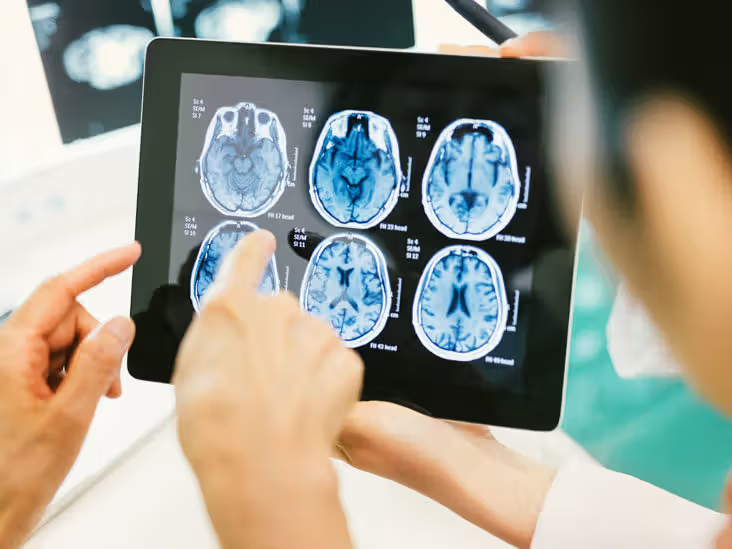
Brain cancer begins when cells in the brain grow uncontrollably, and this can form a mass called a tumor. Brain tumors can be malignant, containing cancer cells, or benign, meaning they do not. Both types have the potential to press on brain structures and cause symptoms. Here are some typical questions about this condition:
What Type Do I Have?
Your doctor will determine the tumor type through tests. A biopsy, which involves removing a small tissue sample, provides a definitive diagnosis. Various types of brain and central nervous system tumors exist. Each tumor can be graded based on the degree of abnormal signs and the rate of cell growth. This grade helps doctors predict its behavior, and it informs the treatment plan.
How Will It Affect Me?
Brain tumor symptoms vary greatly among individuals. Symptoms depend on the tumor’s size, location, and growth rate, so your experience may differ from others. A tumor in the cerebrum may affect thinking or movement, while one near the optic nerve could impair vision. Your medical team can explain the specific effects you might encounter based on your diagnosis.
Some people experience general symptoms due to brain cancer. These may not be specific to any one part of the brain. They occur because a tumor is putting pressure on the brain or causing fluid to accumulate. Headaches are a typical symptom, but many other health issues also cause headaches. Other general symptoms include nausea, vomiting, blurred vision, or balance problems. Seizures are also a possible effect for some patients.
What Are My Treatment Options?
Your doctors will recommend a treatment plan based on your specific tumor type, grade, and location. Surgery is a standard first step to remove as much of the tumor as is safely possible. Many people receive a combination of treatments. Radiation may follow surgery to eliminate any remaining cancer cells, and it can help prevent cancer from returning.
Your plan might involve one or more of the following therapies.
- Radiation therapy: Uses high-energy beams to target and kill cancer cells.
- Chemotherapy: Uses drugs to stop the growth of cancer cells.
- Immunotherapy: Helps your own immune system fight the cancer.
- Targeted therapy: Uses drugs that attack specific weaknesses in cancer cells.
Each treatment has its own set of procedures and potential side effects. You should discuss these options thoroughly with your healthcare provider and ask any questions you may have. The goal of treatment is to manage the tumor and its effects. You have a team to guide you, and they will answer your questions.
Can I Improve Daily Life?
You might find certain strategies helpful for managing daily life. Palliative care, also called supportive care, focuses on relieving symptoms and stress. It is available at any stage of illness. Occupational therapy also assists with daily activities, while physical therapy works on strength and mobility. Getting direction may also help you address dietary needs or eating difficulties.
Get Treated for Brain Cancer
Understanding your diagnosis is a process that progresses over time with your medical team. They will provide detailed information about your specific condition and outlook. Your doctors are an ideal source of information about your health. Discuss your questions and concerns with an oncologist, and receive personalized answers.
Leave a Reply