
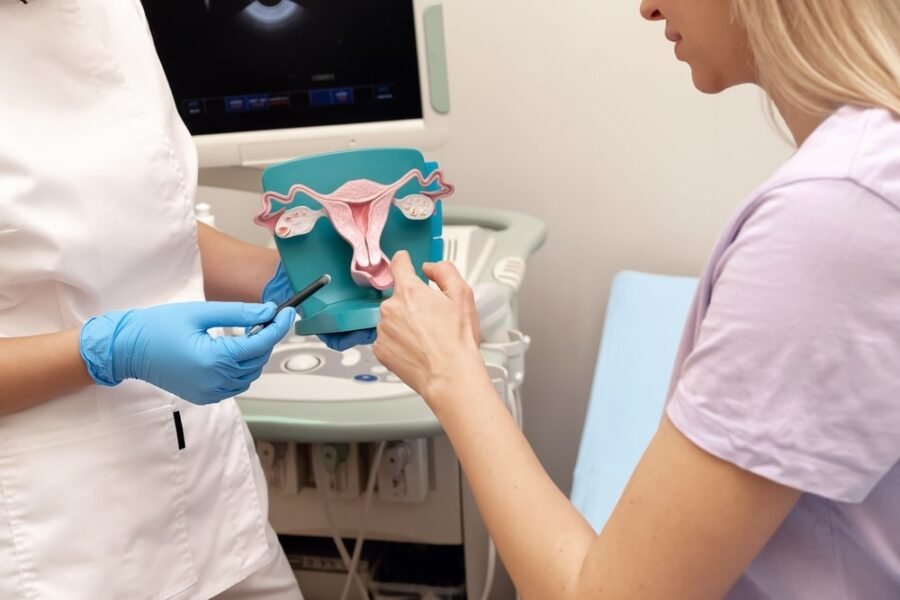
Gynecology is a medical specialty focused on the health of the female reproductive system, and it plays a significant role in healthcare. It provides a wide range of services, and it addresses health needs from adolescence through menopause. While it may be associated with pregnancy, its scope extends to overall wellness, diagnostics, and ongoing care throughout a woman’s life. Here is more information about the role of gynecology:
Routine Screenings
Regular visits to a gynecologist allow for routine screenings that monitor your health. These appointments typically include a pelvic exam, and they may also involve a Pap smear, depending on your age and medical history. Since guidelines change over time, your provider will recommend a screening schedule that is right for you. These proactive check-ups create a baseline for your health.
During a routine visit, you can expect:
- A review of your personal and family medical history
- A physical examination, including a breast and pelvic exam
- An opportunity to discuss any health concerns you have
Reproductive Care
When you need help, gynecologists provide comprehensive reproductive health services. They manage conditions affecting the reproductive organs, and they offer guidance on family planning methods that align with your personal goals. Your provider can discuss various contraceptive options with you, explaining how each one works. This personalized care helps you make informed decisions about your reproductive future.
In addition to contraception, reproductive care addresses a spectrum of health concerns. Issues such as endometriosis, fibroids, or menstrual irregularities are diagnosed and managed by gynecologists. While some conditions require simple monitoring, others might need medical or surgical intervention. Open communication with your provider helps guide the management of these conditions.
Family planning is another key aspect of reproductive care. For those planning a family, a gynecologist offers preconception counseling to prepare for a healthy pregnancy. This proactive step helps identify potential health issues before conception, and it establishes a foundation for progression into parenthood.
Hormonal Health Services
Hormonal balance influences many aspects of a woman’s health, and gynecologists offer services to address related issues. Throughout life, hormonal fluctuations may cause symptoms that affect your well-being. A gynecologist evaluates symptoms related to hormonal changes, such as those occurring during perimenopause and menopause. These services help manage conditions like polycystic ovary syndrome (PCOS).
Preventive Cancer Care
Preventive care is a key component of gynecology, with a strong focus on early detection of certain cancers. Gynecologists screen for cervical cancer through Pap tests and HPV testing, which can identify abnormal cells before they become cancerous. Regular screenings are an effective method for monitoring cervical health. They are performed according to established medical guidelines.
Your provider also performs clinical breast exams to check for any abnormalities. You will receive guidance on self-awareness for breast health. Certain genetic factors or family histories may increase your risk for specific cancers, so your gynecologist will review this information with you to determine an appropriate screening plan.
Find Gynecology Services Near You
Gynecological care is a partnership focused on your long-term wellness. A provider offers support and medical guidance for many stages of life, and this extends from your first exam to post-menopause. If you are looking for a provider, take the first step by scheduling an appointment to discuss your health needs.
Leave a Reply