
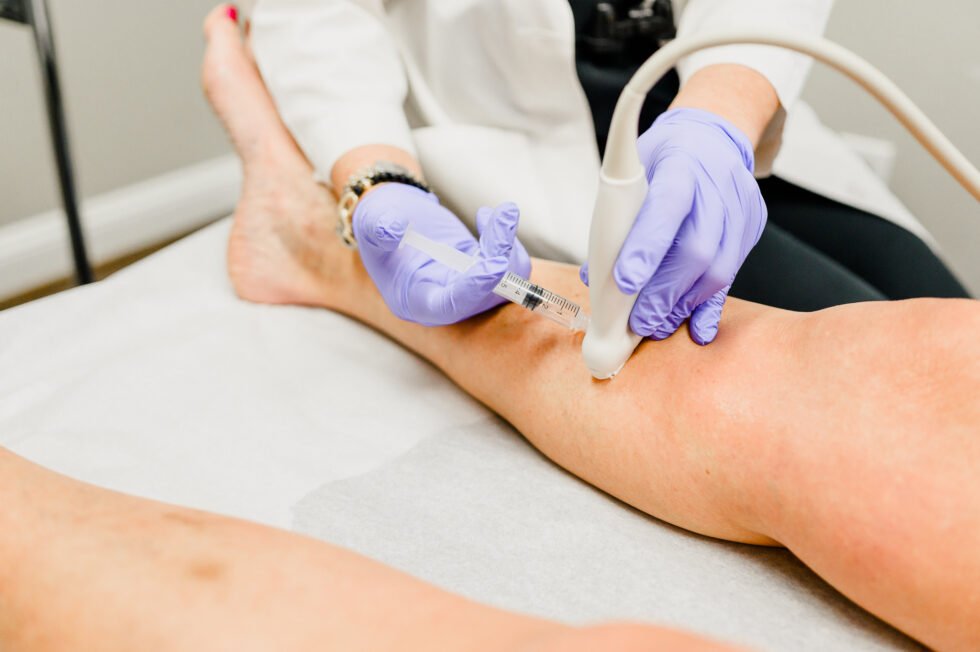
Varicose veins cause physical discomfort and cosmetic concerns. One effective method for treating this condition is radiofrequency ablation; this procedure uses heat to target the underlying cause. Understanding the mechanics of this treatment helps individuals make informed decisions about their vascular health. Here is more information on radiofrequency ablation, its procedure, mechanisms, and benefits for those dealing with varicose veins:
What Are Varicose Veins?
Varicose veins are enlarged, twisted blood vessels that usually appear in the legs and feet. They manifest as bulging cords beneath the skin’s surface and are often blue or purple. The condition indicates a circulatory system malfunction, but it is treatable with modern interventions such as radiofrequency ablation.
Symptoms vary from person to person, but common complaints include aching pain, throbbing, and a sensation of heaviness in the legs. Some patients experience swelling around the ankles or notice skin discoloration near the affected veins. Left untreated, the condition can progress to more serious complications, so seeking medical advice is valuable.
What Causes Them?
The primary cause of varicose veins is the failure of small, one-way valves inside the veins. These valves are supposed to keep blood flowing toward the heart, but they can weaken or become damaged over time. When the valves fail to close properly, blood flows backward and pools in the vein, causing the vessel to stretch and twist.
Several risk factors contribute to the development of this condition. Genetics plays a significant role, so individuals with a family history of venous disease are more likely to develop it themselves. Other contributing factors include aging, pregnancy, obesity, and occupations that require prolonged periods of standing or sitting.
What Is Radiofrequency Ablation?
Radiofrequency ablation (RFA) is a minimally invasive medical treatment designed to close problematic veins. The procedure uses radiofrequency energy to generate heat, and this thermal energy is applied directly to the vein wall. A vascular specialist performs the treatment in a clinic setting and typically uses local anesthesia to numb the area. The goal is to permanently shut down the defective vein, rerouting blood flow to healthier vessels.
How Does It Work?
The process begins with the physician applying a local anesthetic to the treatment area to prevent discomfort. Once the leg is numb, the doctor makes a tiny incision, and they insert a thin tube called a catheter into the diseased vein. Ultrasound imaging guides the catheter to the correct location, allowing for precise placement within the vessel.
After the catheter is in position, the device emits radiofrequency energy into the vein wall. This energy heats the vessel, and the heat causes the vein to collapse and seal shut. The doctor slowly withdraws the catheter, treating the vein in segments until the entire problematic section is closed.
The body responds naturally to the closure of the treated vein. Blood flow automatically redirects to healthy veins deep in the leg, with circulation improving following the procedure. Over time, the body absorbs the closed vein, and it eventually disappears from view.
What Are the Benefits?
Radiofrequency ablation offers several clinical advantages. Patients may report minimal bruising after the procedure, and post-operative pain is generally managed with over-the-counter medication. The recovery period is brief, allowing most individuals to resume normal activities quickly.
Treat Your Varicose Veins Today
Varicose veins are a progressive medical condition, but effective treatment options are available. Radiofrequency ablation provides a safe, minimally invasive solution that allows patients to recover quickly. Consult with a qualified vascular specialist to discuss your symptoms and determine if this procedure is right for your health.
Leave a Reply