
Joint pain affects mobility and overall quality of life for many individuals. It can stem from various underlying conditions or injuries, but modern medicine offers multiple treatment options to manage this discomfort. Platelet-rich plasma (PRP) therapy is one such option that utilizes the body’s intrinsic healing mechanisms to address tissue damage. Here is more information on PRP therapy:
What Is Joint Pain?
Joint pain refers to physical discomfort, aches, or soreness located in any of the body’s joints. It is a common symptom that ranges from mild irritation to debilitating pain, and it impacts weight-bearing areas like the knees and hips. PRP therapy is a potential biological alternative for managing these persistent symptoms.
What Causes It?
Several factors contribute to the development of acute or chronic joint pain in patients. Traumatic injuries such as sprains or fractures are common triggers, but chronic degenerative conditions like osteoarthritis also play a role. Overuse of a joint during repetitive sports or occupational tasks can lead to sustained inflammation and long-term structural damage.
Age serves as another primary factor in the gradual deterioration of joint health. As the human body ages, the cartilage that cushions the joints naturally wears down, and this degeneration leads to painful friction between bones. Autoimmune diseases like rheumatoid arthritis cause the immune system to attack the joint lining, resulting in chronic pain and swelling.
What Is PRP Therapy?
Platelet-rich plasma (PRP) therapy is a medical intervention that utilizes a high concentration of a patient’s own platelets to accelerate healing. Platelets are blood cells primarily known for their role in clotting, but they also contain growth factors that aid in tissue repair and regeneration. This therapy concentrates these specific growth factors to treat injured tendons, ligaments, muscles, and articular joints.
How Does It Work?
The process begins with the precise preparation of the platelet-rich plasma injection. A centrifuge spins the patient’s blood at high speed, and this centrifugal force separates red blood cells from plasma by density. The concentrated platelets remain suspended in a small amount of plasma, ready for therapeutic application.
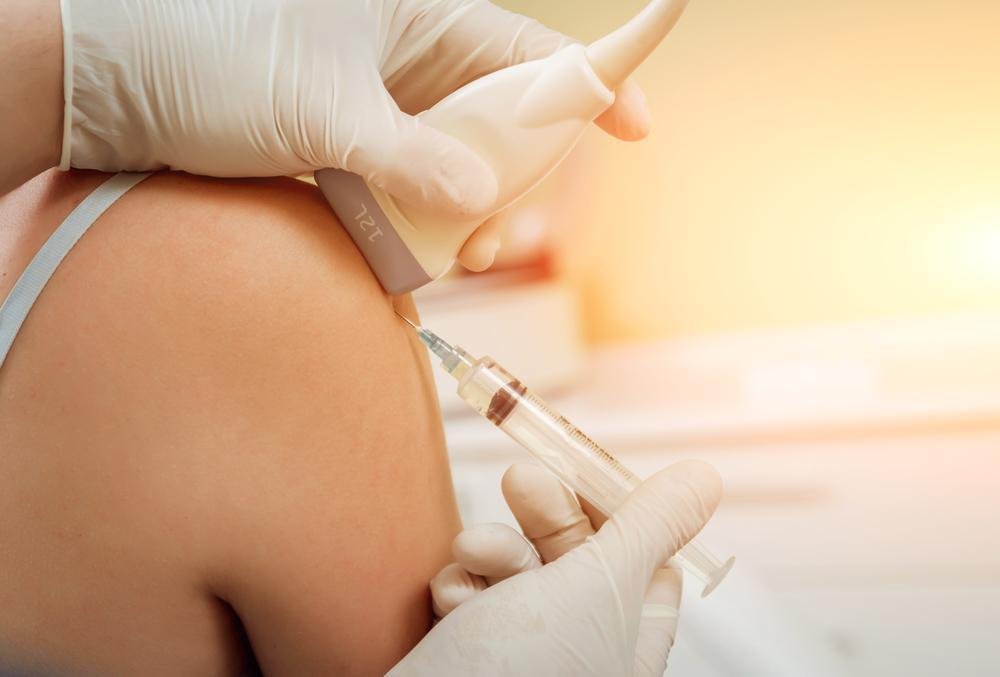
A physician injects this prepared biological solution directly into the affected tissue. Ultrasound guidance may be utilized to place the injection with high precision, so the growth factors reach the tissue effectively. Once injected, the platelets release bioactive growth factors that signal the body to initiate repair mechanisms in damaged cells.
This biological response stimulates the natural healing process in the targeted anatomical area. The growth factors recruit stem cells to the site of injury, and they facilitate the regeneration of healthy collagen and tissue. This mechanism helps reduce local inflammation and alleviates pain associated with structural joint damage.
What Are the Benefits?
One benefit of PRP therapy is its use of autologous blood components. Since the injection is derived entirely from the patient’s own body, the risk of allergic reaction or immunological rejection is minimal. This aspect makes it a safe option for individuals who may have sensitivities to synthetic medications or foreign substances.
PRP therapy can offer long-lasting relief by promoting tissue healing and sustained functional improvement. This treatment modality is minimally invasive and requires little recovery time. Most procedures take an hour to complete in an office setting, and patients can usually return to their daily routines shortly after treatment.
Find Relief Today
Joint pain does not have to be a permanent limitation on your daily physical activities. PRP therapy offers a practical approach to biological tissue repair, and it provides an alternative to surgery or long-term medication. Schedule a consultation today to explore how this regenerative treatment can help you manage pain.
Leave a Reply